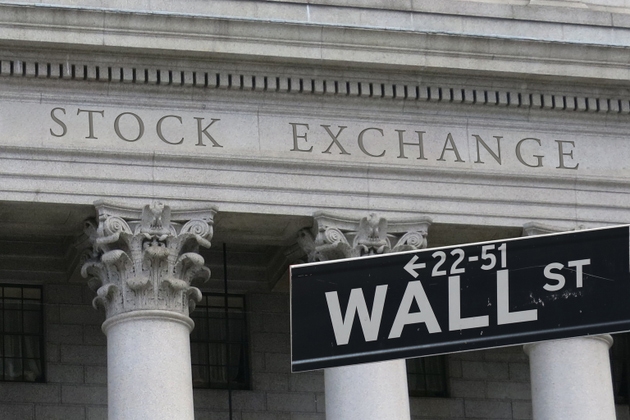
S&P, Nasdaq Slide as Chip Rally Fades; Oil Drops 3% on Iran Hopes
Get the Finance newsletter
Daily finance — markets, central banks, M&A, the prints that move money. Free.
- S&P 500 fell 0.26% to 7,386.65 and the Nasdaq Composite dropped 0.97% to 25,678.82, while the Dow gained 86.10 points (0.17%) to 50,872.11 — with 301 S&P 500 advancers outpacing decliners despite the index's slide.
- Semiconductor ETF (SOXX) shed 1% after Monday's 6% rebound, with Micron falling 1% following its 10% Monday comeback and Broadcom slipping 1% — the ETF had plunged 10% on Friday for its worst day in six years.
- West Texas Intermediate crude dropped 3.4% to $88.20 a barrel after U.S. Energy Secretary Chris Wright said Strait of Hormuz ship traffic is "rising very meaningfully" and President Trump said a U.S.-Iran deal could be reached in "two or three days."
- Gold fell 1.76% to $4,286.40 — its lowest close since December 10, 2025 — and is now down 18.32% since the Iran war began; silver dropped 4.88% to $65.24.
- Existing home sales rose 3.2% in May, beating expectations and lifting the iShares U.S. Home Construction ETF (ITB) more than 2% and the S&P 500 real estate sector.
- SpaceX is set to debut Friday in what will be the largest IPO ever at a $1.75 trillion valuation, and OpenAI confidentially filed for an IPO late Monday — CNBC's guests described the SpaceX listing as an "overhang" on the market.
- Charles Schwab's Liz Ann Sonders said there was "too much complacency" in the AI/chip trade, noting many stocks "went parabolic and got into overbought territory" and the "trigger finger now is more inclined to sell or take profits."
Why it matters: The two-day whiplash in chip stocks — SOXX's worst day in six years on Friday, 6% bounce Monday, 1% slide Tuesday — shows the AI trade is suddenly fragile, even as falling oil (-3.4%) and gold (-18% since the Iran war began) signal traders are pricing in a Strait of Hormuz reopening that Trump says could come in days. With the $1.75 trillion SpaceX IPO looming Friday, the market is rotating out of secular tech growth and into homebuilders, banks, and healthcare while bracing for a possible trend top.