Why have US-Iran strikes resumed and what does it mean for peace? — SkimNews

Get the Geopolitics newsletter
Daily geopolitics — wars, elections, sanctions, the diplomatic moves that move markets. Free.
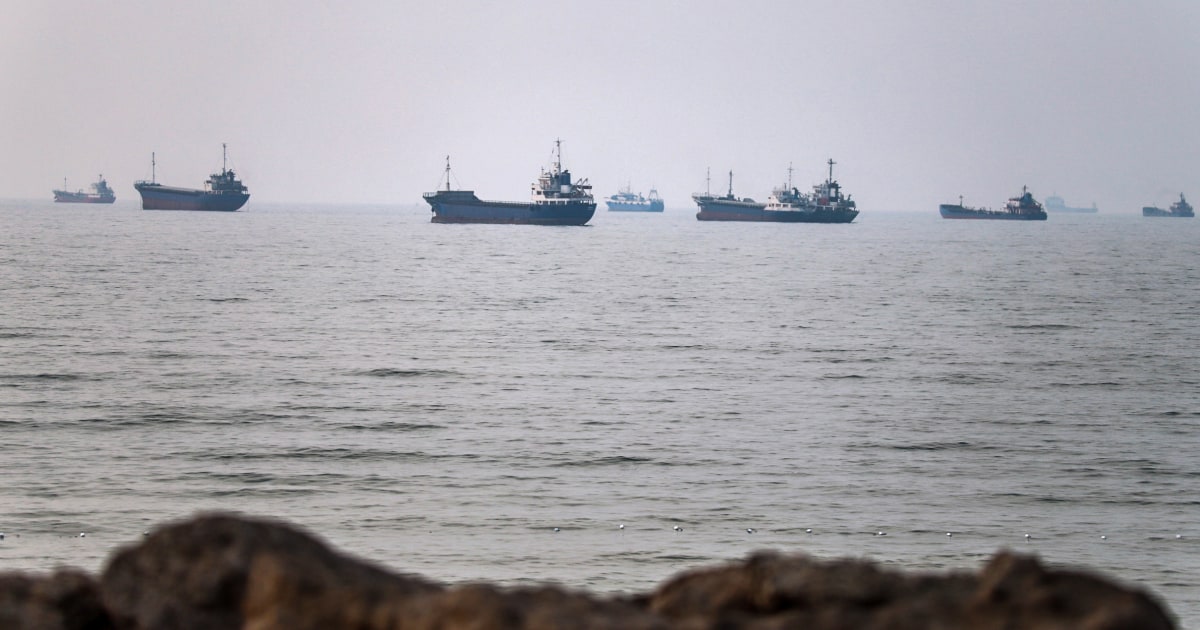
- CENTCOM struck "over 80 targets" in Iran — air defence systems, command networks, coastal radar sites, anti-ship missile capabilities, and 60+ IRGC small boats — in retaliation for Iran's attacks on three commercial tankers (Marshall Islands-flagged M/T Al Rekayyat, Saudi Arabia-flagged M/T Wedyan, Liberian-flagged M/T Cyprus Prosperity) transiting the Strait of Hormuz.
- Trump, speaking at the NATO summit in Ankara, declared the MoU "over," called the peace talks a "waste of time," and labeled Iranian leaders "scum," while leaving the door open to letting negotiators continue.
- The IRGC claimed it destroyed 85 US military installations at Bahrain's Fifth Naval Base and Port Salman and Kuwait's Ali Salem Airbase, and shot down an MQ9 drone that "attempted to interfere in the operation."
- The US Treasury reimposed sanctions on Iranian oil effective July 7, ending the 60-day full waiver granted under the June 17 MoU that had let Tehran sell crude during peace talks — the very concession an Al Jazeera correspondent called Iran's "only lifeline to sustain the economy."
- Strikes hit Iran's southern port city of Sirik, Qeshm Island in the Strait of Hormuz, and two military bases in Bushehr province (Dashti county and near Chogadak), with shrapnel injuries reported but no confirmed deaths.
- Markets repriced the risk: Brent crude rose 6% to $78 a barrel, European stocks fell 1.6%, the dollar strengthened, and bond yields climbed as investors weighed the threat of renewed inflation.
- Parliament Speaker Mohammad Ghalibaf labeled the strikes, sanctions reimposition, and continued Israeli attacks on Lebanon as "major MOU violations by the US," declaring that "the era of bullying and extortion is over."
Why it matters: The MoU's central bargain — Iranian oil exports in exchange for free Strait passage — collapses July 7 when US sanctions snap back into force, stripping Tehran of the very incentive that had reopened the waterway to commercial traffic. With Trump publicly calling the three-week-old agreement "over" and markets already pricing in a 6% oil spike, the bilateral framework that ended the February war no longer constrains either side.
Ask SkimNews