Iran pushes back against Trump's deadline
Why it matters: The Strait of Hormuz, a critical global energy chokepoint, remains closed, impacting global energy security and freedom of navigation.
- President Trump issued an ultimatum for Iran to reopen the Strait of Hormuz by Tuesday at 8 pm ET, threatening severe consequences and using profane language.
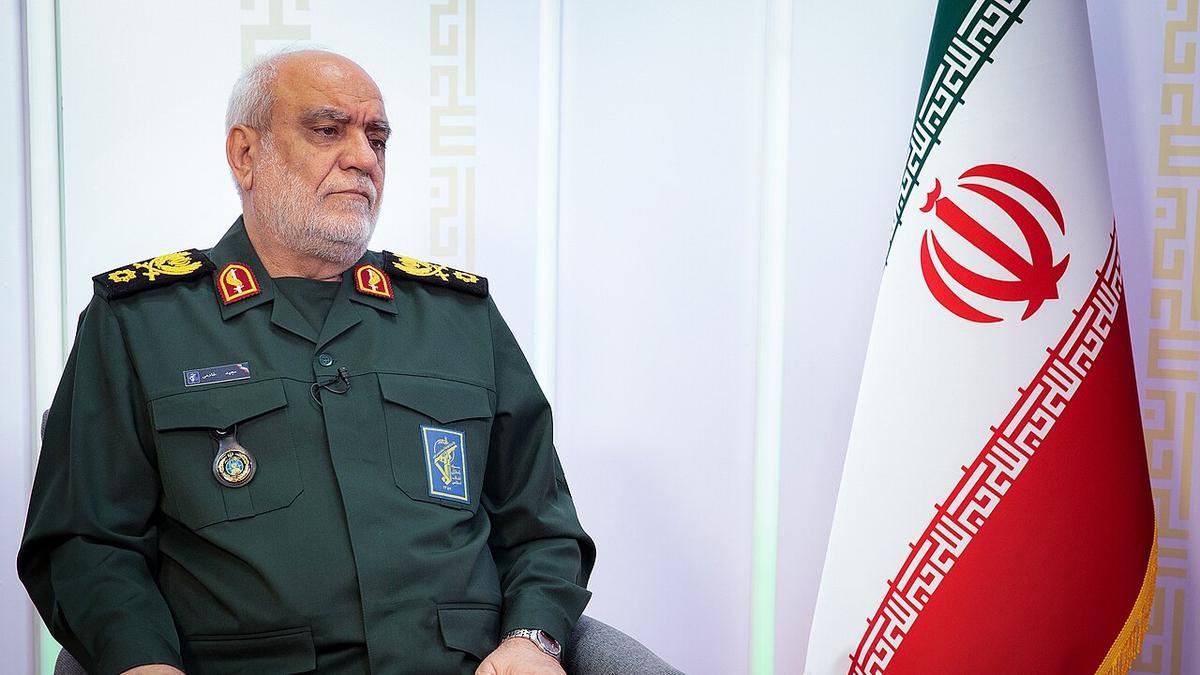
- Iranian officials, including presidential spokesman Seyyed Mehdi Tabatabai and the Ministry of Foreign Affairs, pushed back, calling Trump's statements desperate and vowing to defend national security.
- Iran's Mission to the U.N. accused Trump of inciting terror and war crimes, citing attacks on civilian infrastructure as a violation of the Geneva Convention.
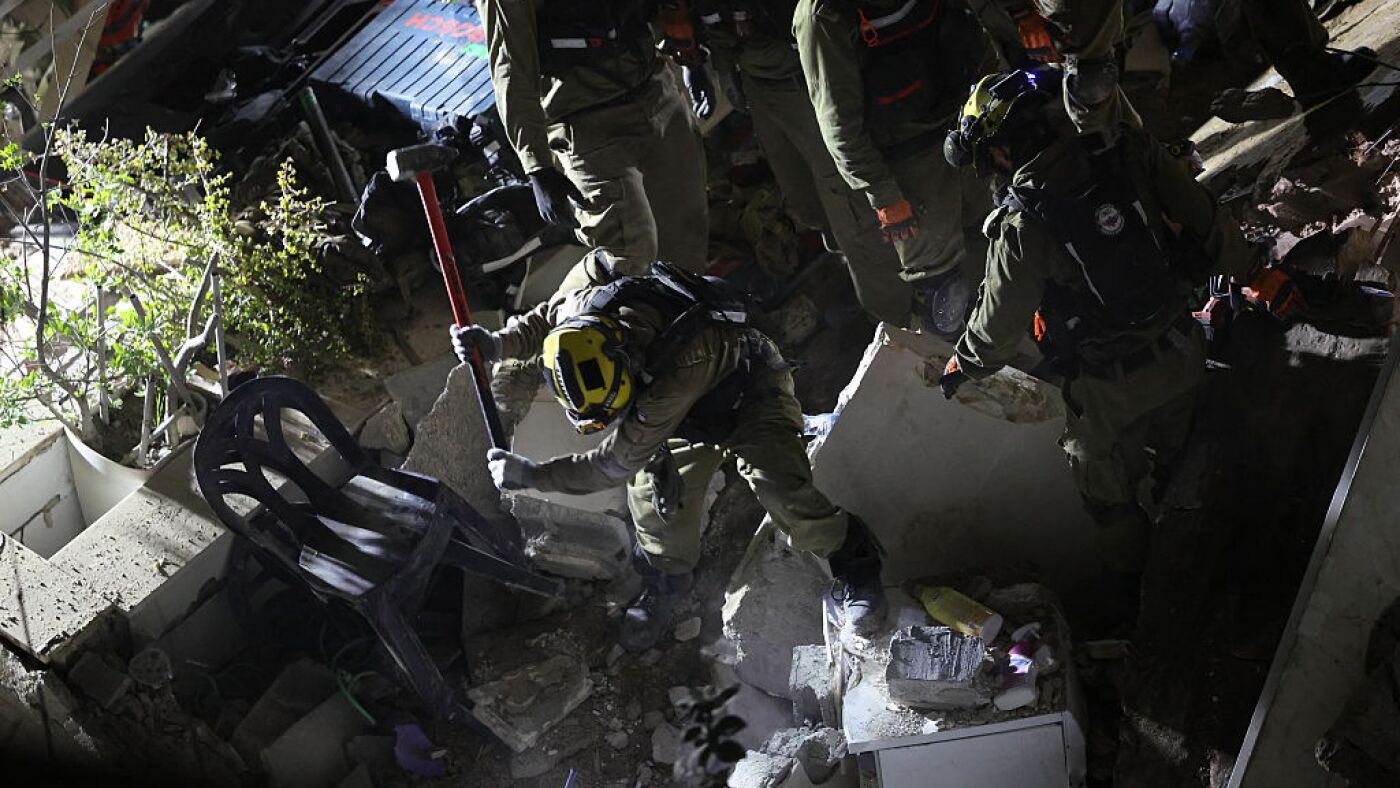
- The U.S. and Israel have targeted oil facilities inside Iran, while Iran has struck towns in Israel and oil refineries across Gulf countries.
- Egyptian, Pakistani, and Turkish envoys submitted a proposal for a 45-day ceasefire and the reopening of the Strait of Hormuz to U.S. and Iranian diplomats.
- Qatar's Prime Minister called for a return to negotiations, and Oman engaged with Iranian diplomats to discuss the proposal for reopening the Strait of Hormuz.
Iran has defiantly rejected President Trump's ultimatum to reopen the Strait of Hormuz by Tuesday, with Iranian officials calling his threats "sheer desperation" and accusing the U.S. of inciting war crimes, as both sides continue to exchange missile attacks targeting oil facilities and civilian infrastructure. Amidst escalating hostilities, diplomatic efforts from Egypt, Pakistan, Turkey, Qatar, and Oman are underway to broker a 45-day ceasefire and facilitate the Strait's reopening.