Markets Rise, Oil Drops as Trump Cancels Iran Strike

Get the Finance newsletter
Daily finance — markets, central banks, M&A, the prints that move money. Free.
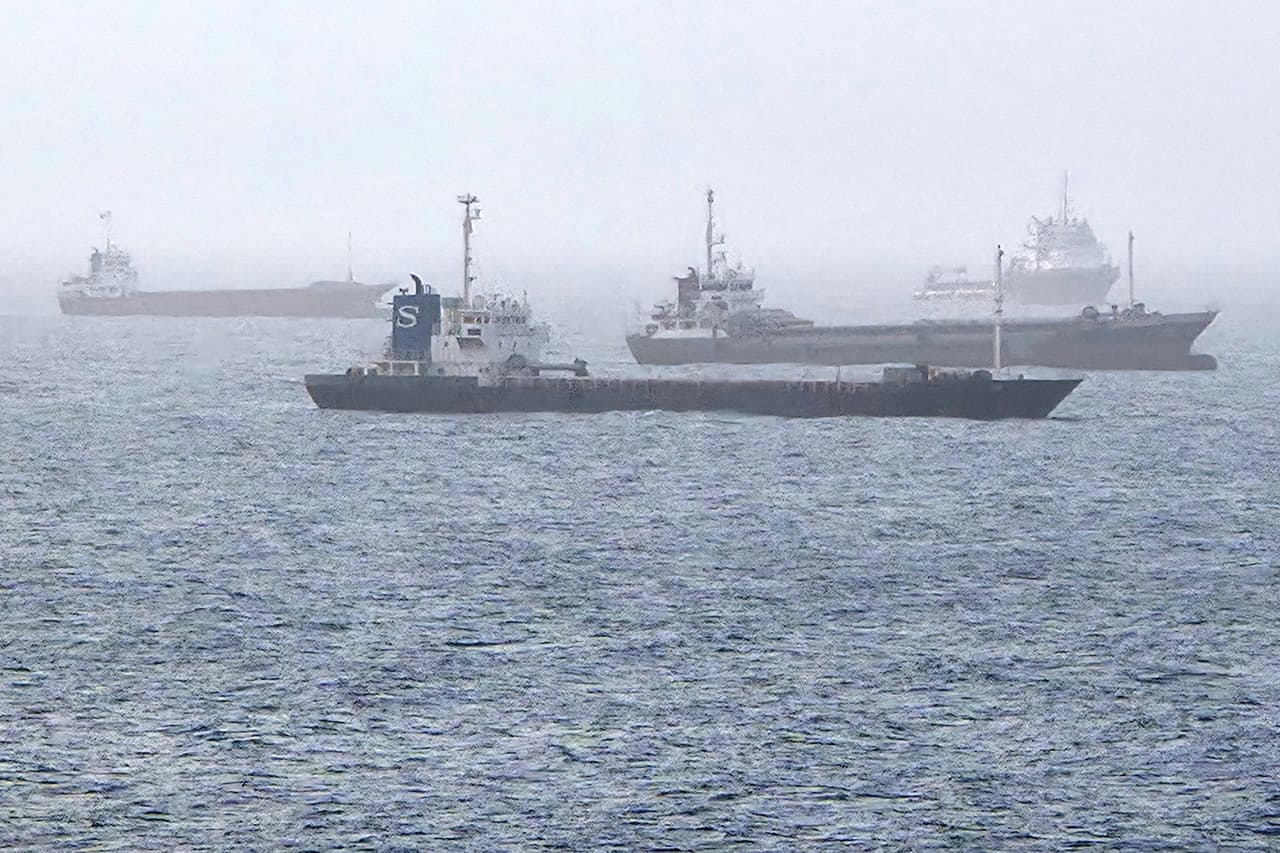
- President Trump announced Sunday he canceled a planned attack on Iran after Tehran and regional neighbors requested a hold, with the deal including the 'Immediate, Complete, and Total OPENING OF THE HORMUZ STRAIT, and an end to Iran's nuclear threat.'
- Oil prices dropped sharply on the news, with Brent crude slipping $3.52 to $84.41 a barrel and U.S. West Texas Intermediate crude sliding $3.49 to $81.18.
- U.S. equity futures rose Sunday evening, with Dow futures gaining 200 points (0.4%), S&P 500 futures advancing 0.5%, and Nasdaq-100 futures climbing 0.8%.
- Asian markets diverged sharply lower early Monday, with Japan's Nikkei falling 1.43%, South Korea's Kospi dropping 4.57% at open, and Australia's ASX 200 declining 0.36%.
- The three major U.S. indexes closed near record highs Friday before the news, with the Dow up 276.97 points (0.53%) to 52,485.03, the S&P 500 gaining 0.7% to 7,489.72, and the Nasdaq Composite surging 1% to 25,373.85.
- Megan Horneman, CIO of Verdance Capital Advisors, told CNBC's 'Fast Money' that 'record high markets are not sustainable the longer the war lasts' and that investors are losing patience with Big Tech AI capex without clear earnings visibility.
- Friday's July jobs report is the next major catalyst, with FactSet consensus expecting 87,500 nonfarm payrolls (up from 57,000) and unemployment ticking up to 4.3% from 4.2%.
Why it matters: Brent crude falling $3.52 and WTI dropping $3.49 a barrel directly eases cost pressure for energy importers and consumers, while equity futures pricing in a Hormuz reopening shows markets are treating Trump's claim as credible—at least for now. But South Korea's Kospi plunging 4.57% at open signals regional investors are far less convinced, and the deal hinges on Iran actually reopening the strait, a concession Tehran has not publicly confirmed.