BNP Wins Bangladesh Election, Faces Economic Reform
SkimNews Take
The election's decisive outcome, after two decades, creates high expectations for the new government to demonstrate its commitment to democratic principles through tangible economic improvements.
Get the Geopolitics newsletter
Daily geopolitics — wars, elections, sanctions, the diplomatic moves that move markets. Free.
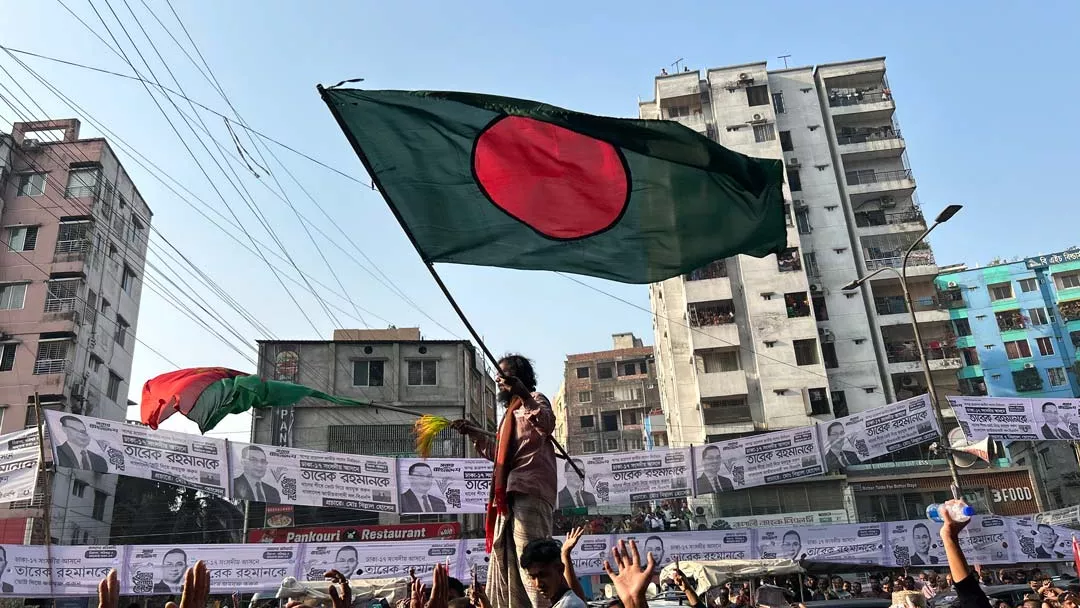
- Election on 12 February 2026 was the first free and fair vote in almost two decades, delivering a clear majority to the Bangladesh Nationalist Party (BNP) with 209 parliamentary seats.
- Interim government led by Nobel laureate Muhammad Yunus stabilized the country after the August 2024 uprising that ousted Sheikh Hasina.
- BNP faces immediate economic challenges, with rising energy prices and Middle‑East trade disruptions threatening foreign‑exchange reserves, GDP growth and inflation.
- July Charter reform package won majority support in a referendum held alongside the election, but the BNP has objected to some of its far‑reaching constitutional amendments.
- BNP is urged to avoid a major confrontation over the July Charter and to push governance reforms, including anti‑corruption measures and strengthening the police.
- Awami League remains banned and its senior leaders are in exile in India, prompting calls for India to encourage steps toward the party’s eventual return.
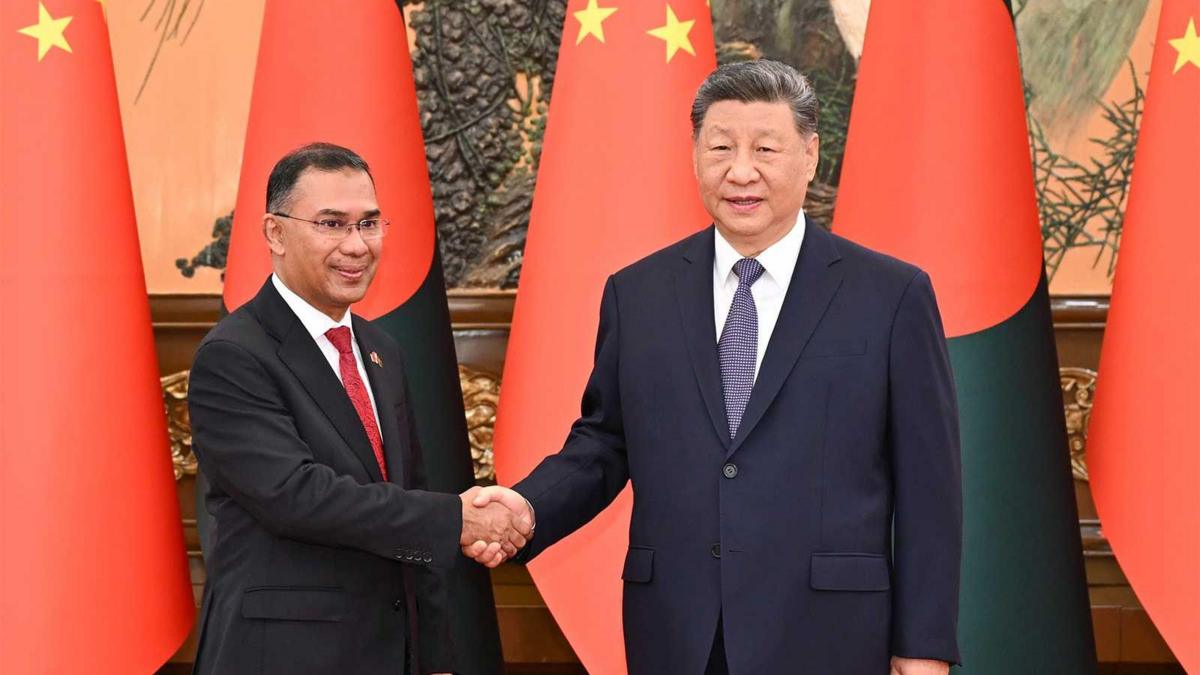
- BNP must manage relations with key partners—India, China, and the United States—while rebuilding strained ties with India.
Why it matters: The BNP’s swift reform actions will determine whether Bangladesh can stabilize its foreign‑exchange reserves, curb inflation and sustain growth, benefitting households and businesses, while failure could deepen economic hardship and erode public support for the new government and could trigger political unrest, threatening the fragile democratic gains.
Ask SkimNews