Can India Afford to Quit Coal?
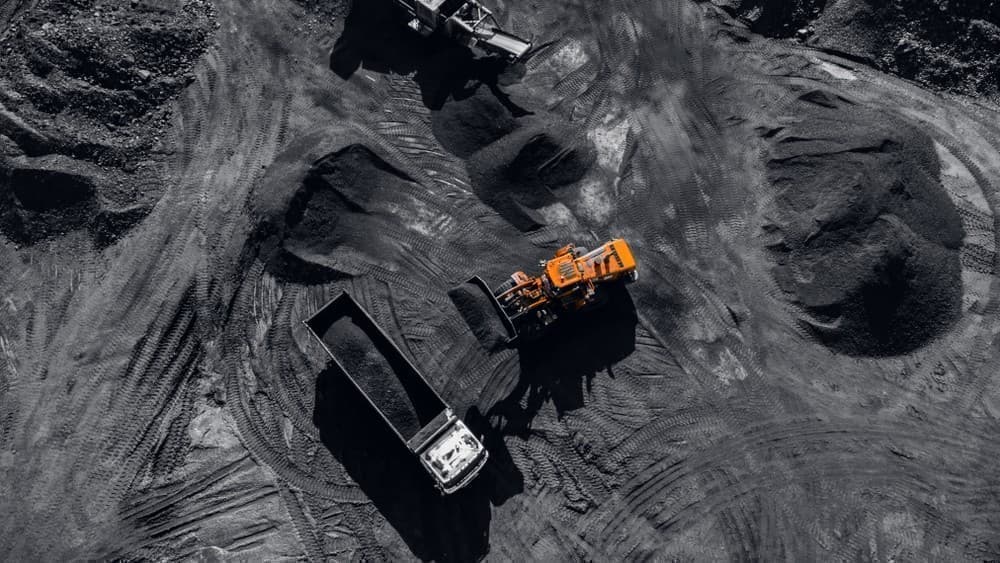
Why it matters: India's energy choices will profoundly shape global climate outcomes and the future of its 1.4 billion citizens.
- India is the world's biggest case study for decarbonization, with a coal-reliant grid and 1.4 million people dependent on the industry, making it a critical player in global climate goals.
- National leadership has stated its continued reliance on coal to fuel economic development, as the country's electricity consumption will soon be the highest in the world, prioritizing energy security.
- Solar is India's fastest-growing energy sector, skyrocketing from 4 gigawatts to 140 gigawatts in the last decade, putting the country on track to reach 500 gigawatts of renewable capacity by 2030, a "gradual but decisive trend toward green energy" according to Forbes.
- A just transition away from coal in India will cost approximately $900 billion over the next three decades, with $600 billion for new industries and infrastructure, and $300 billion for social protections for coal workers and communities, as calculated by iFOREST.
- Dr. Faruk Patel, chairman and founder of the KP Group, emphasizes the need to satisfy people, industry, and climate, stating India will infuse 100 gigawatts of coal and 250 gigawatts of renewable energy in the next five years, alongside investments in battery storage.
- Grid connections are a major constraint for renewable energy growth, requiring massive investment in expansion and reinforcement to integrate more solar and wind power.
India, the world's most populous nation, faces an immense challenge in decarbonizing its coal-reliant grid while simultaneously meeting soaring energy demand from rapid economic growth. Despite aggressive renewable energy expansion, coal remains crucial for energy security and economic development, with leadership explicitly stating continued reliance as a 'critical stopgap' during the transition. This dual approach highlights the complex balancing act between climate goals, economic imperatives, and the staggering financial and social costs of a just transition away from coal.