NYISO Engineer Urges Hybrid Grid Strategy for AI Era — SkimNews
Get the Energy newsletter
Daily energy & climate — solar, EVs, oil, the policy fights and tech bets shaping the transition. Free.
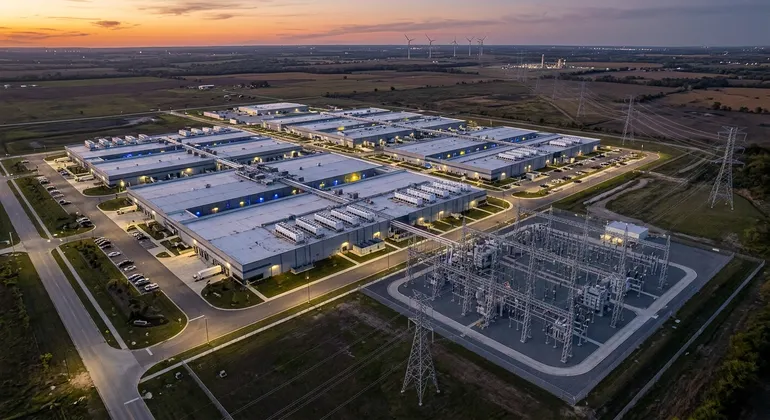
- Anees Jeddy advocates for a hybrid transmission strategy to address the unique challenges posed by hyperscale AI data centers and remote renewable generation, emphasizing that one-size-fits-all approaches are no longer sufficient.
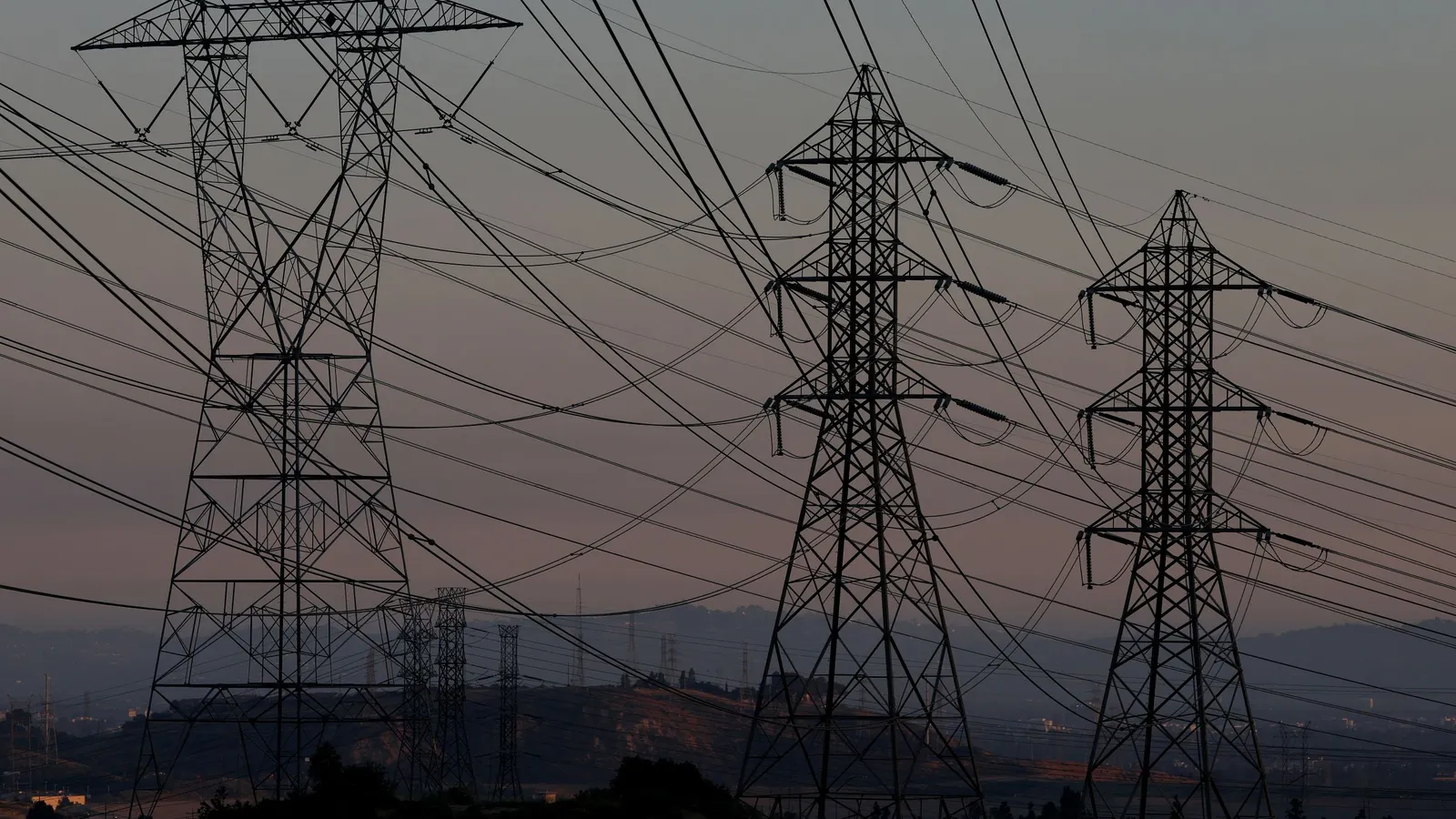
- High-voltage direct current (HVDC) remains optimal for long-distance bulk transfer of renewable energy, especially in submarine and asynchronous interconnections, but is not universally suited to AI-era grid demands.
- Flexible AC Transmission Systems (FACTS), such as STATCOMs and unified power flow controllers, can unlock capacity on existing networks by improving voltage support and stability in constrained urban corridors.
- High-temperature superconducting (HTS) cables offer unmatched power density for delivering hundreds of megawatts or gigawatts through narrow urban pathways, making them viable in high-density metropolitan areas.
- Multi-terminal DC architectures provide greater routing flexibility and redundancy for systems with multiple renewable sources and clustered data center loads, though they require advanced controls and strong AC interfaces.
- Hybrid AC/DC solutions are increasingly necessary to balance efficient power transfer with system strength, particularly where HVDC links connect to stressed onshore grids needing reinforcement via STATCOMs or storage.
Why it matters: Utilities face rising risks of dynamic instability as AI loads and inverter-based renewables strain legacy grids; choosing the wrong transmission technology could compromise reliability despite apparent cost efficiency, making constraint-driven planning essential for resilient integration of large-scale loads.
Ask SkimNews