UFC 329: Conor McGregor's latest injury sums up disappointing end to what could have been his redemption tour — SkimNews
Get the Sports newsletter
Daily sports — scores, transfers, the storylines from the leagues you actually follow. Free.
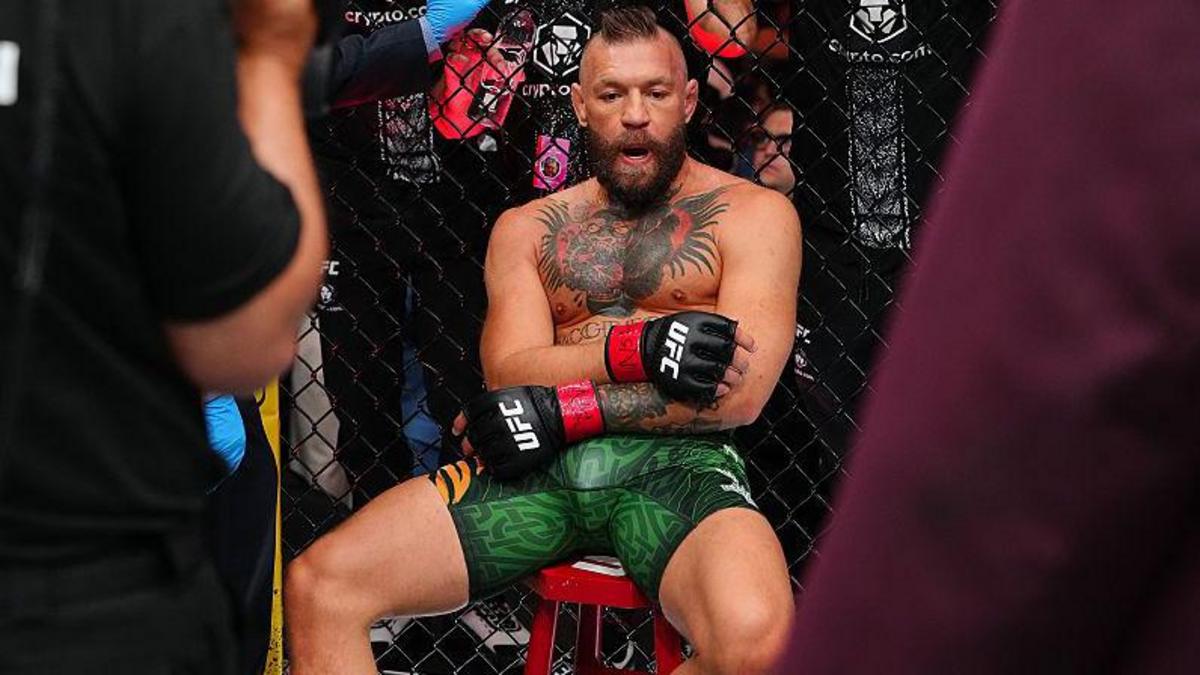
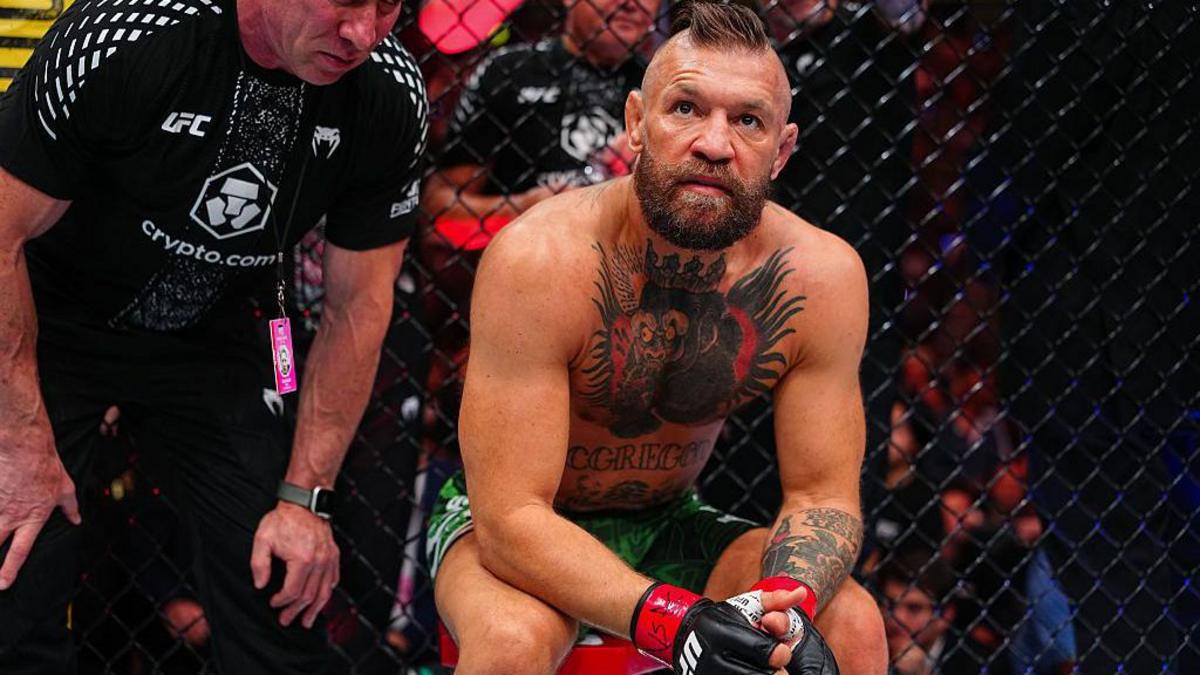
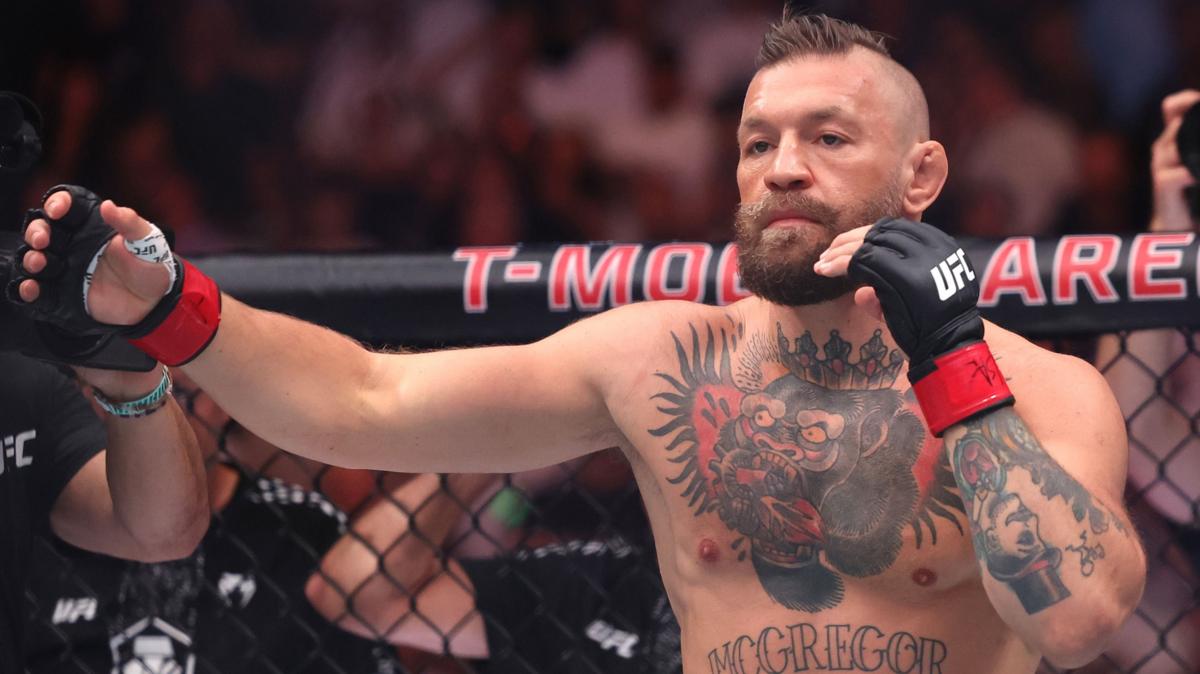
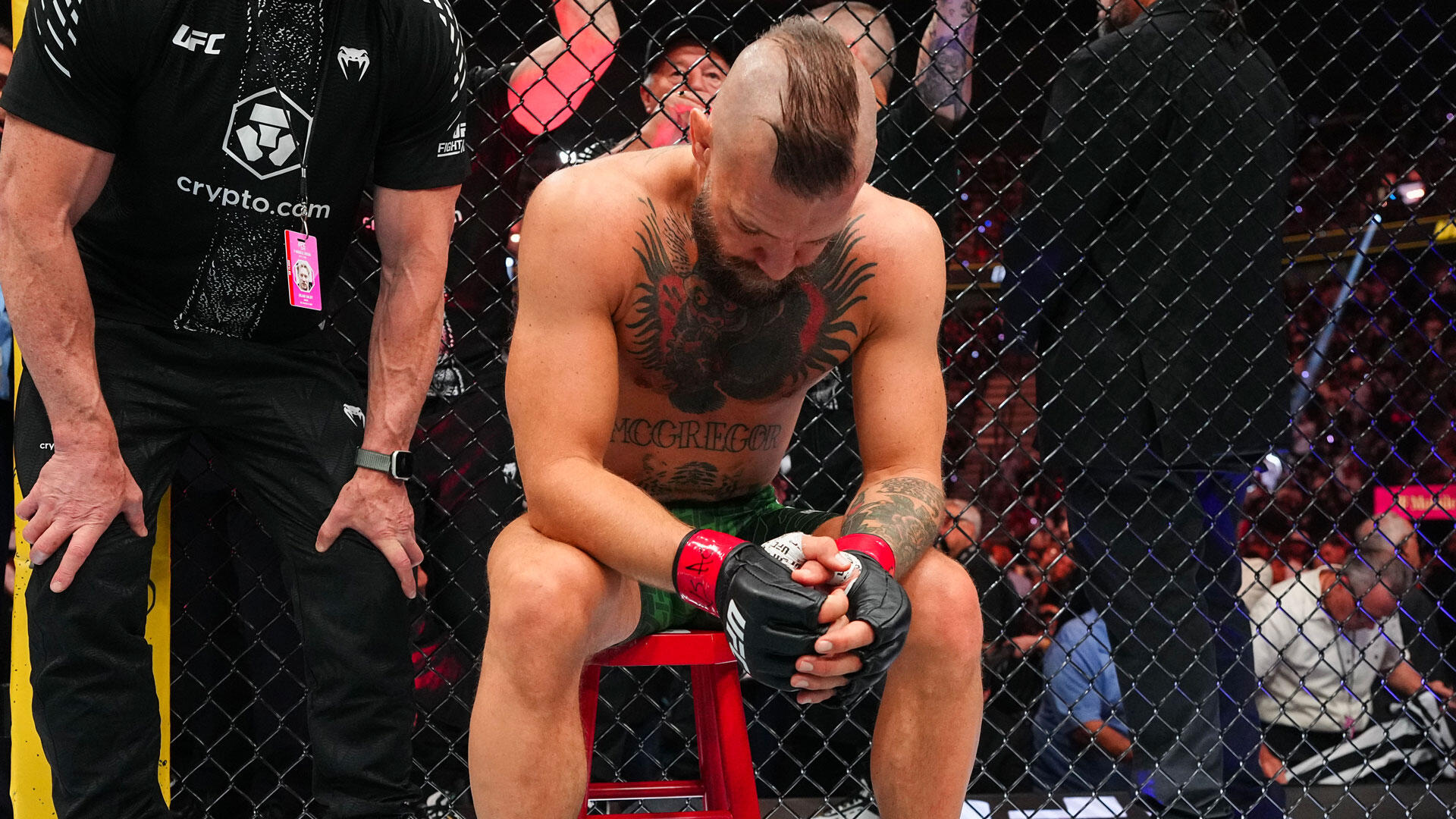
- Conor McGregor (22-7) suffered a first-round TKO loss to Max Holloway at UFC 329 in Las Vegas, with UFC CEO Dana White confirming a suspected blown ACL in McGregor's right knee just 69 seconds into the bout.
- The injury appeared to strike when McGregor slipped on an ambitious running kick attempt in the opening second of the fight — a different injury than the broken left leg that ended his 2021 trilogy with Dustin Poirier.
- UFC 329 produced the largest gate in UFC history despite McGregor's deflating return, his first fight in five years following a catastrophic 2021 leg injury.
- Paramount+ broadcast footage showed McGregor limping and favoring his right leg while entering the Octagon checkpoint, hinting at a possible pre-existing injury — though White dismissed it and McGregor posted on X that he had "no injury/injuries going into the fight."
- Since his 2013 UFC debut, McGregor went 9-1 in his first three years and seven months but is just 1-4 inside the Octagon over the past decade, with four stoppage losses and two career-threatening injuries.
- McGregor was held civilly liable for rape in a 2025 Irish verdict, and during fight week he blamed his Proper No. Twelve whiskey company responsibilities for letting alcohol sabotage his personal and professional life.
- McGregon's 2024 comeback against Michael Chandler was also scrapped 16 days before UFC 303 due to a broken toe, fueling speculation he was looking for an exit.
Why it matters: At 38 and now with two career-threatening leg injuries, McGregor's fighting future is in serious doubt, and the UFC's all-in gamble on his return — the largest gate in promotion history — ended in the most deflating way possible: 69 seconds. His legacy is increasingly defined by off-Octagon missteps, including a 2025 civil rape verdict and admitted alcohol struggles, rather than by any realistic path back to competitive relevance.
Ask SkimNews