South Korea links Iranian missile to HMM ship attack
Get the Geopolitics newsletter
Daily geopolitics — wars, elections, sanctions, the diplomatic moves that move markets. Free.
- South Korea's Foreign Ministry announced that an Iranian anti-ship missile was likely involved in the May 4 attack on the HMM cargo ship Namu in the Strait of Hormuz, based on debris analysis.
- First Vice Foreign Minister Park Yoon-joo said various pieces of evidence point toward Iran, including turbojet-like engines and markings of an Iranian manufacturer, and warheads resembling Iran's Noor or Qader missiles.
- Iranian ambassador Saeed Koozechi denied that Iran took part in the attack, stating his country "took no part."
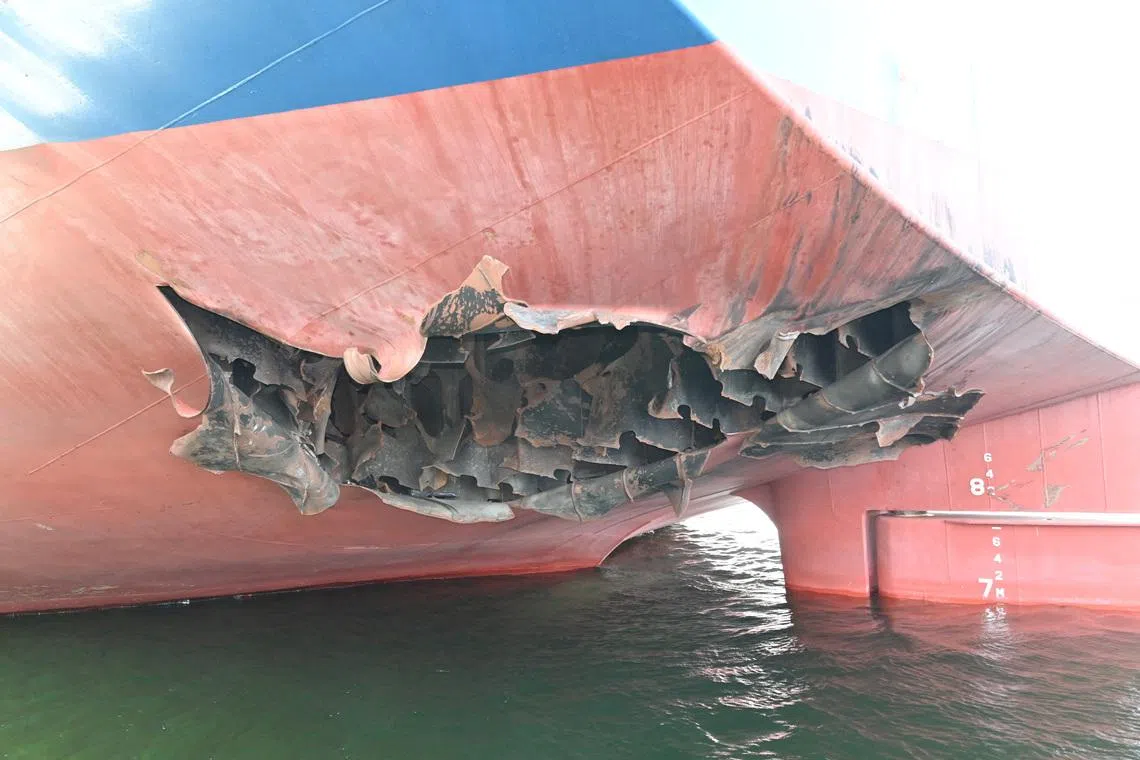
- Namu was attacked twice, with the first warhead failing to explode and the second detonating, causing a fire and damage to the lower stern hull.
- South Korea summoned the Iranian ambassador to share the investigation results and deliver a protest.
- U.S. President Donald Trump quickly blamed Iran for the attack and urged Seoul to join U.S.-led efforts to secure shipping through the strait.
Why it matters: South Korea now has investigative evidence linking Iranian‑made missile components to the HMM bulk carrier Namu, giving it a factual basis to protest Tehran and push for tighter security in the strategic Strait of Hormuz; Iran’s denial and Trump’s accusations heighten diplomatic tension, potentially affecting regional shipping and trade.
Ask SkimNews