Woodburn, Oregon's Mexican Soccer Heartbeat Returns After ICE Raids — SkimNews

Get the Sports newsletter
Daily sports — scores, transfers, the storylines from the leagues you actually follow. Free.
- Woodburn, Oregon (pop. ~31,000, 61.4% Latino, 95% Latino-owned downtown businesses) traces its Mexican roots to the 1942 Bracero Program; Anthony Veliz's grandparents arrived from Coahuila in 1943 to pick berries, and the town now spans five or six generations of Mexican-American residents.
- U.S. Immigration and Customs Enforcement detained four Woodburn farmworkers in August 2025 on their way to a blueberry farm, then 31 more residents on October 30, 2025, according to advocacy groups including Oregon For All and PCUN.
- The Woodburn City Council passed a resolution on November 21, 2025 declaring a "local state of emergency" over the "economic and humanitarian crisis" caused by federal immigration enforcement; ICE activity reportedly decreased starting in January 2026.
- Over 250 Woodburn High School students walked out in February 2026 to protest local and nationwide immigration enforcement, and food truck manager Nereyda Miranda said she only recently felt safe enough to return to her normal commute.
- Jose Molina's food truck El Pariente Mariscos y Mas used TikTok and Facebook — with the tagline "estamos en Oregon pero el sabor es 100% Sinaloense" — to market aguachiles and Sinaloense dishes to the Latino community ahead of the World Cup.
- Woodburn High School has won nine state soccer championships since 2010 (seven boys', two girls'), and coach Jorge Flores called it "a soccer community" — with the World Cup now serving as a reunion for residents who had stopped venturing downtown.
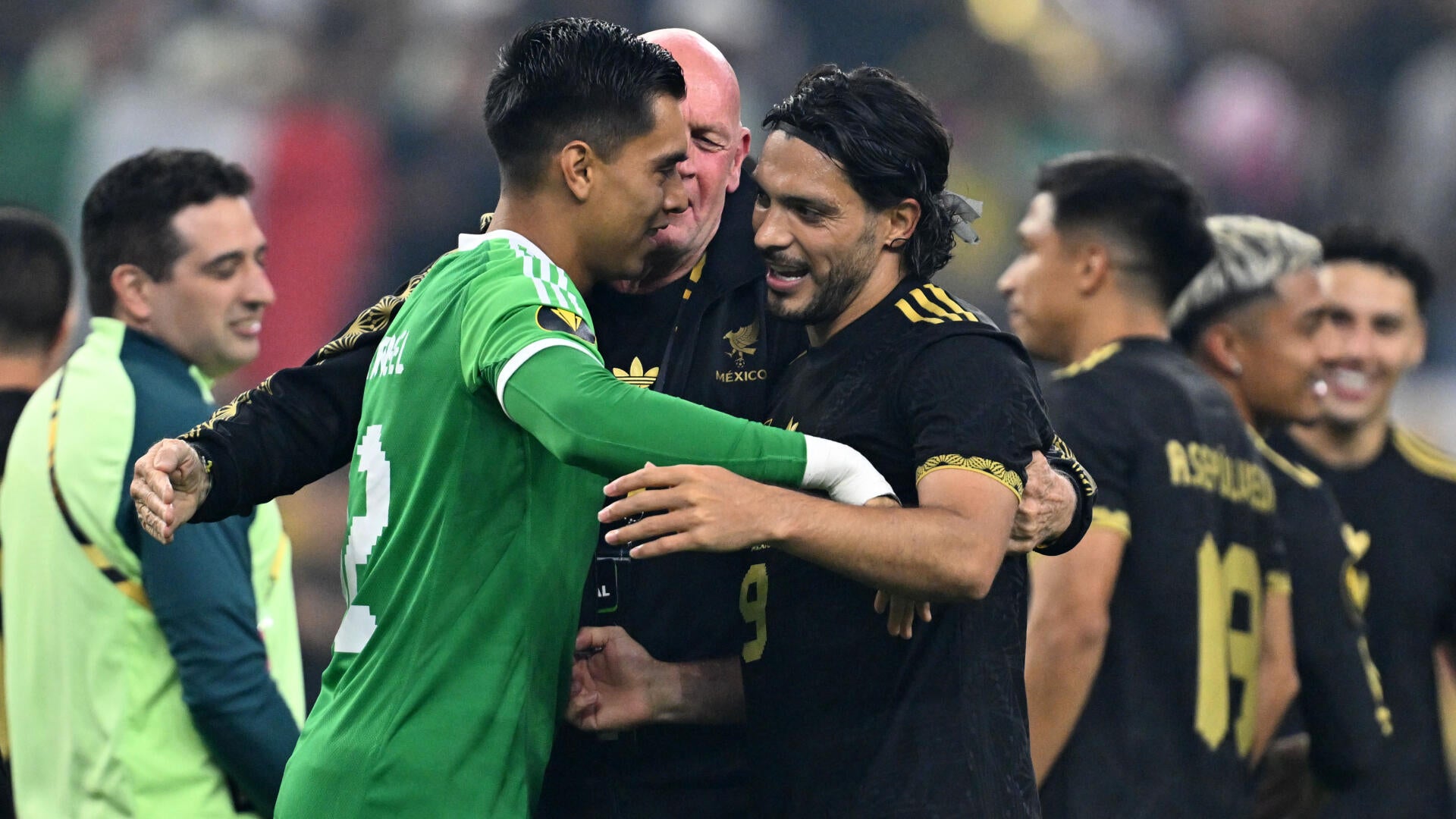
- Mexico's Julián Quiñones scored the first goal of the 2026 World Cup in the 9th minute against South Africa, triggering celebrations at El Pariente in Woodburn — 2,798 miles from Mexico City — where a man in the crowd said, "When you lose something, you value it more."
Why it matters: For Woodburn's 61.4% Latino population, the World Cup is functioning as a fragile test of whether a community scarred by 35 ICE detentions and a local state of emergency can reclaim its public squares. With the council's November emergency declaration still fresh and 250+ students walking out in February, Mexico's goals at El Pariente aren't just sports — they're the first signal in months that downtown is alive again.
Ask SkimNews