Meteomatics' Meteobase Automates Drone Weather Monitoring

Get the Health newsletter
Daily health & science — research, biotech, public health, the studies worth knowing. Free.
- Meteomatics developed Meteobase, a ground station that automatically launches and recovers a drone programmed to gather atmospheric data at different altitudes within the boundary layer — the zone from ground level to a few thousand metres where weather occurs but is difficult to study
- The drone returns to its base after each flight to recharge and download data, which Meteobase then transmits to researchers, with the weather-resistant base keeping the drone at a comfortable operating temperature
- Meteobase can run one data-gathering mission per day or dispatch multiple flights to monitor fast-changing conditions such as fog, icing, or an advancing weather front
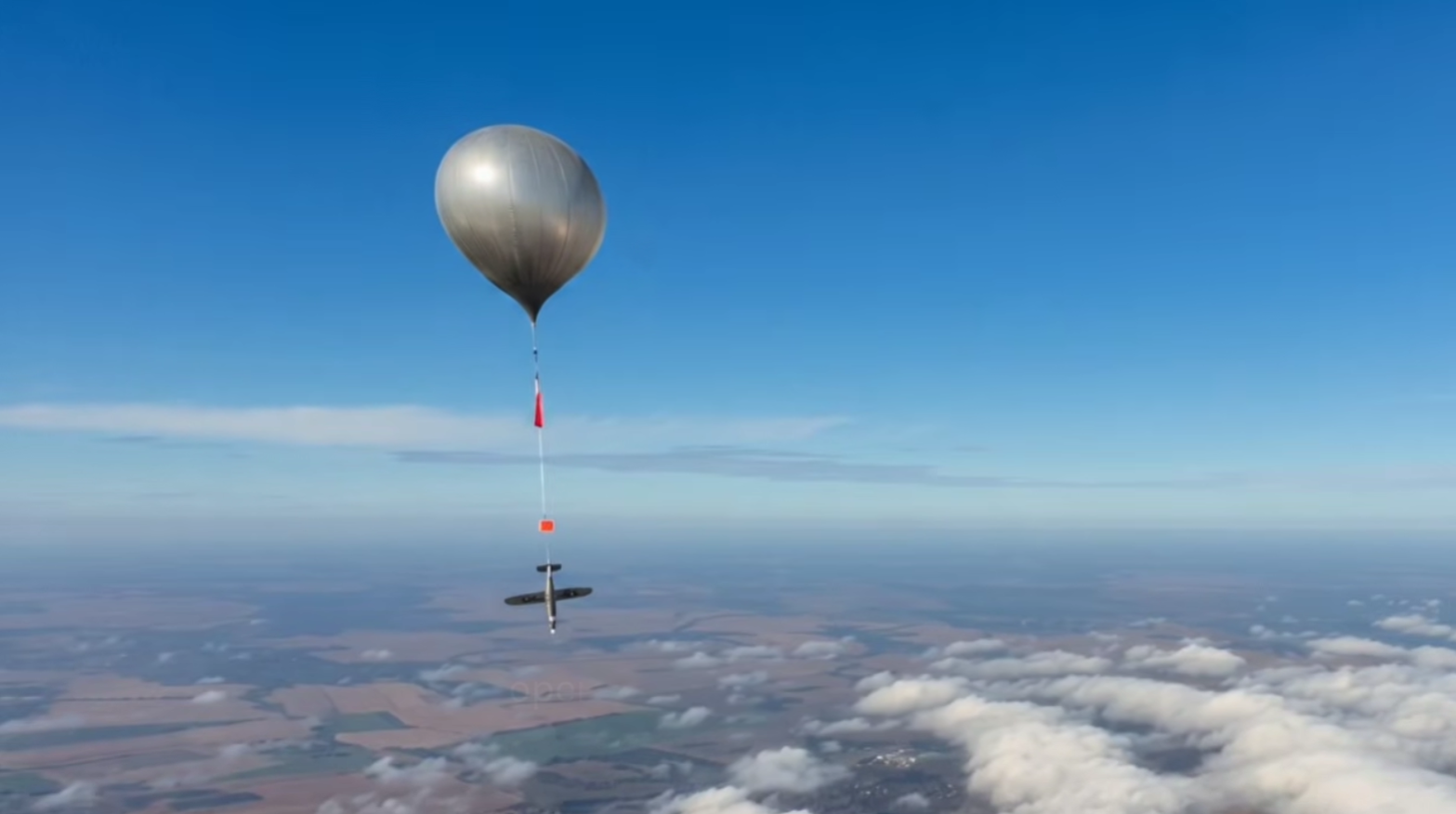
- Weather balloons have been the traditional tool for boundary-layer research since the 1930s, with thousands launched daily — but they drift wherever the wind takes them and consume irreplaceable helium
- Such a drone-based setup could potentially replace the labour-intensive and expensive balloon launches that currently dominate atmospheric data collection
Why it matters: Weather researchers gain a reusable, automated tool that operates in the boundary layer — the atmospheric zone where weather actually forms but that ground stations undersample and aircraft find too expensive to study. The system addresses helium scarcity and the unpredictability of balloon drift, and could displace thousands of daily balloon launches while enabling sustained monitoring of rapidly changing conditions like fog and icing.