Serena Williams Returns to Singles at Wimbledon After
Get the Sports newsletter
Daily sports — scores, transfers, the storylines from the leagues you actually follow. Free.
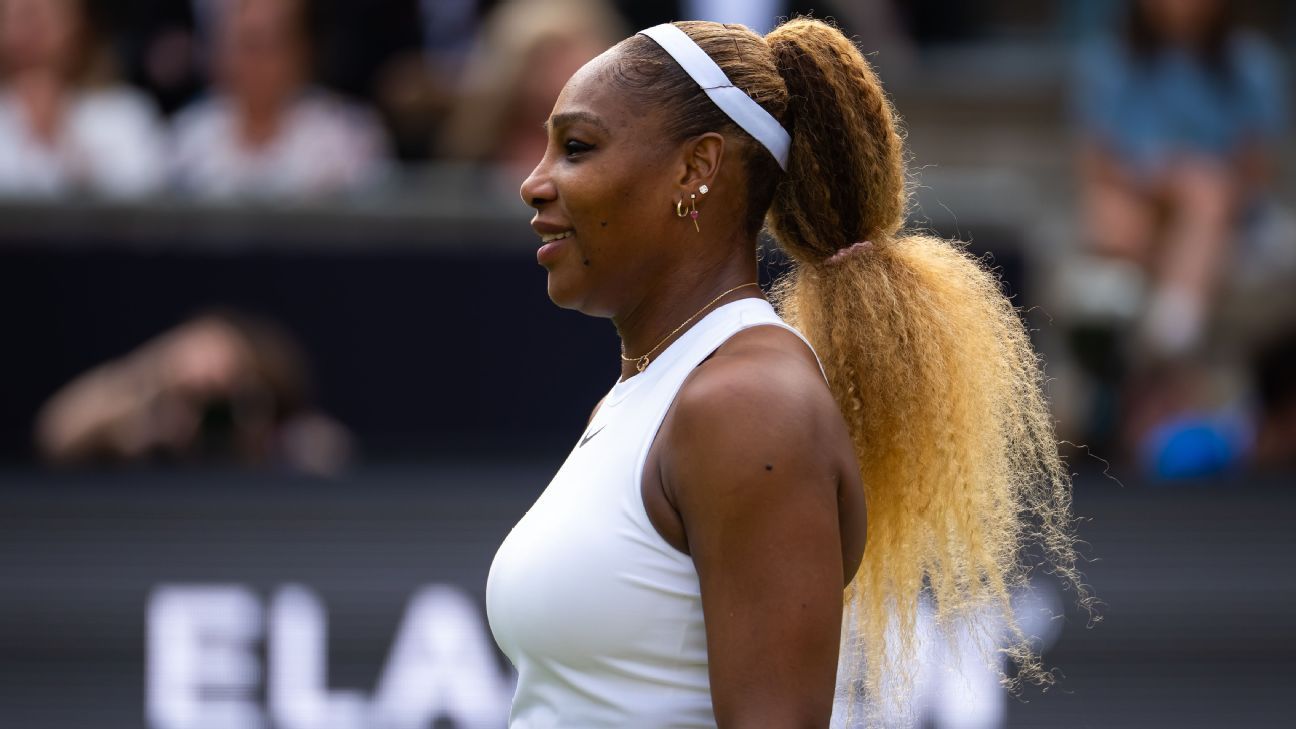
- Serena Williams officially announced her return to tennis on June 1 and will face No. 53-ranked Maya Joint in her first Wimbledon singles match in nearly four years on Tuesday, while also playing doubles with sister Venus.
- Williams had quietly reentered the ITIA registered testing pool on Dec. 2 — sparking rumors she publicly denied on X with "Omg yall I'm NOT coming back" — and was officially reinstated Feb. 22 after clearing the six-month ITIA return protocol.
- Rennae Stubbs, a former world No. 1 in doubles, joined Williams' comeback coaching team alongside Jarmere Jenkins and made multiple week-long trips to Florida in March and April, telling ESPN that Williams' work ethic and ball striking immediately impressed her.
- WTA player Alycia Parks (ranked No. 80) trained with Williams in Florida as often as three times a week beginning in February, and told Tennis Channel that Williams was "definitely fit" and "hitting the ball amazing."
- Williams revealed she lost 32 pounds since starting the GLP-1 medication Zepbound, saying it relieved joint pain that lingered after the births of her daughters Olympia (2017) and Adira (2023) and improved her cholesterol and sugar levels.
- The HSBC Championships at Queen's Club — already about 90% sold out — saw a rush on remaining tickets and a substantial increase in media accreditation requests after Williams committed, with tournament director Laura Robson stunned by nontraditional broadcasters showing up before the site was even open.
- Alexis Ohanian, Williams' husband and an investor in telehealth partner Ro, arrived at Queen's Club after attending Game 3 of the NBA Finals in New York the night before Williams' first match.
Why it matters: At 44 and a mother of two, Williams' return turns Wimbledon into the summer's most-watched tennis storyline. For the WTA and Queen's Club organizers, her presence drove a rush on the already 90%-sold-out HSBC Championships and pulled nontraditional broadcasters to cover a practice session, underscoring how one player still moves an entire event's economics.