Homa on Bryson penalty: 'He would never cheat' — SkimNews
SkimNews Take
Homa's character defense and McIlroy's rebuke expose golf's persistent pattern of folding rules-based penalties into moral judgments, even though the sport's penalty system evaluates only the action, not intent.
Get the Sports newsletter
Daily sports — scores, transfers, the storylines from the leagues you actually follow. Free.
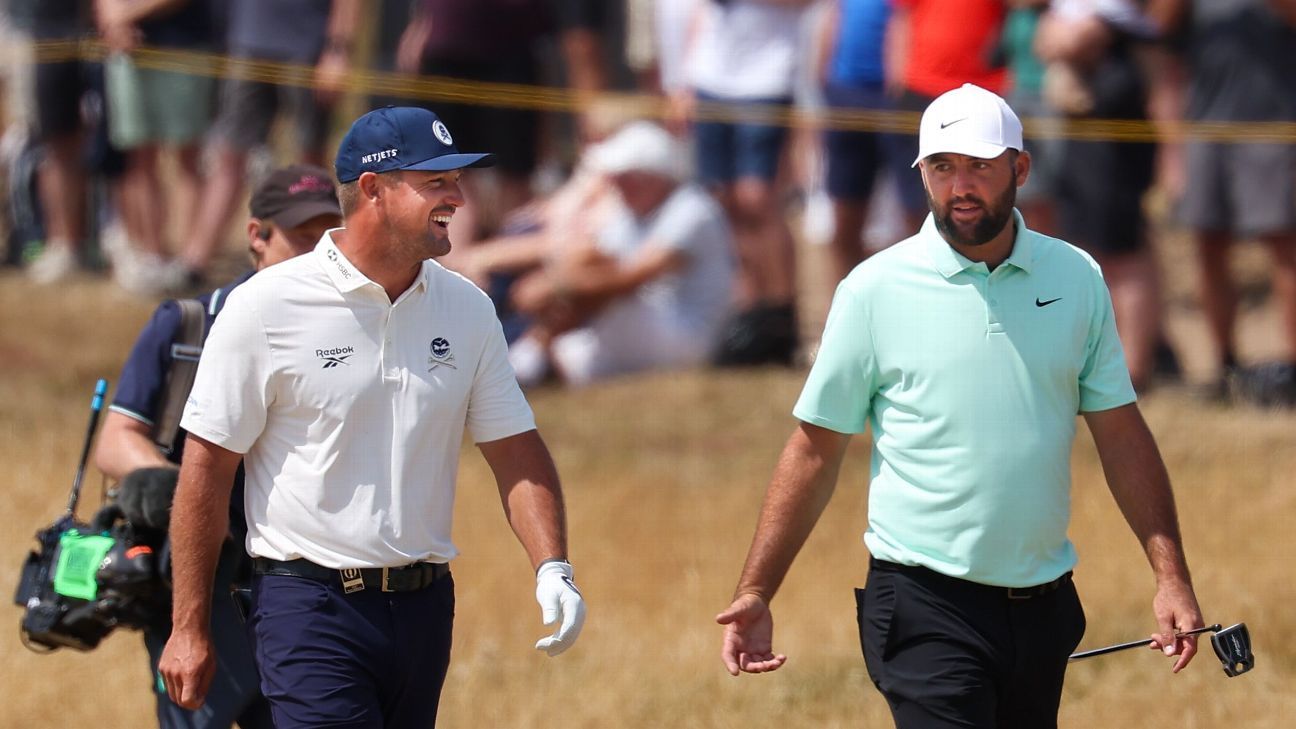
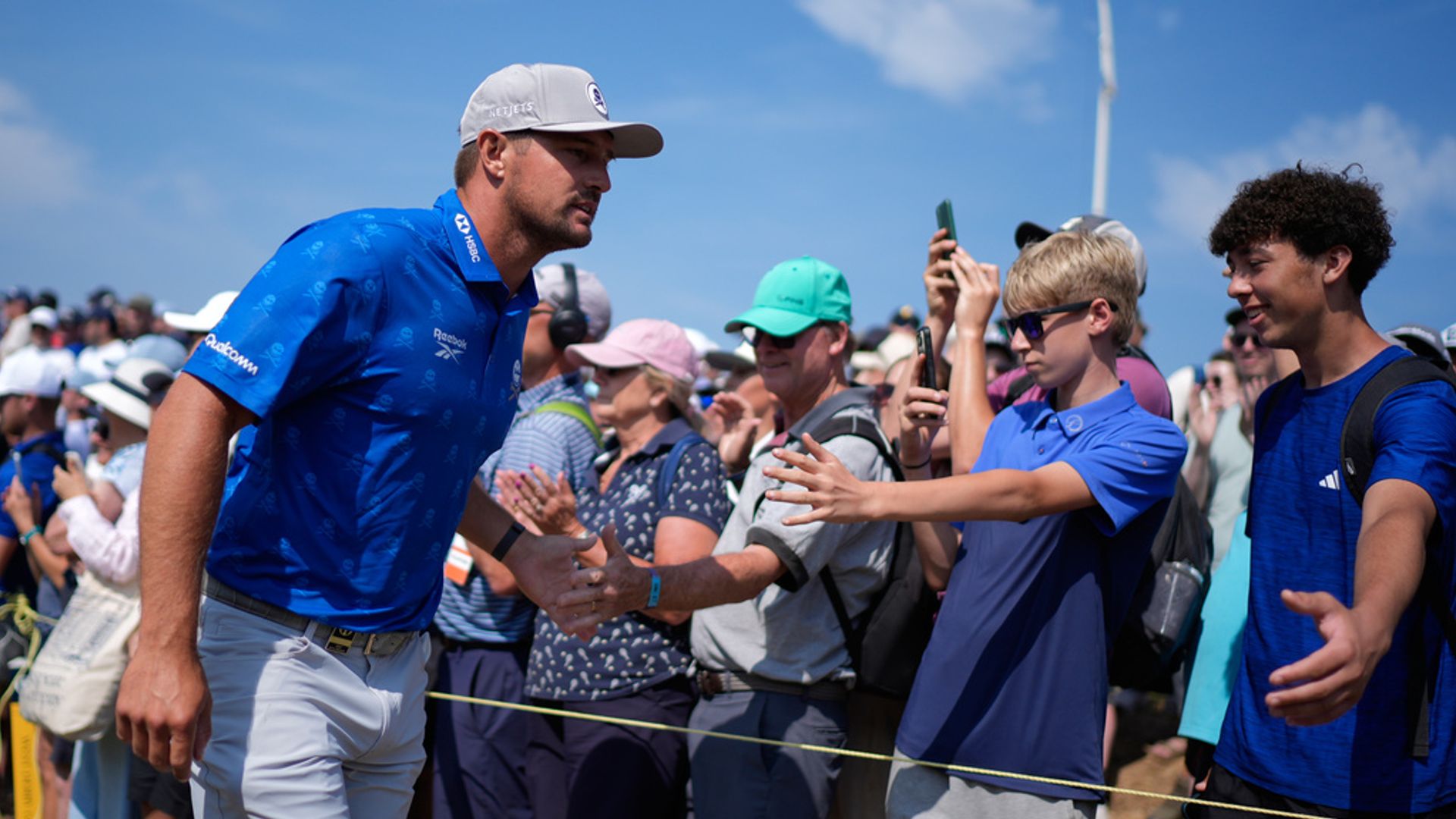
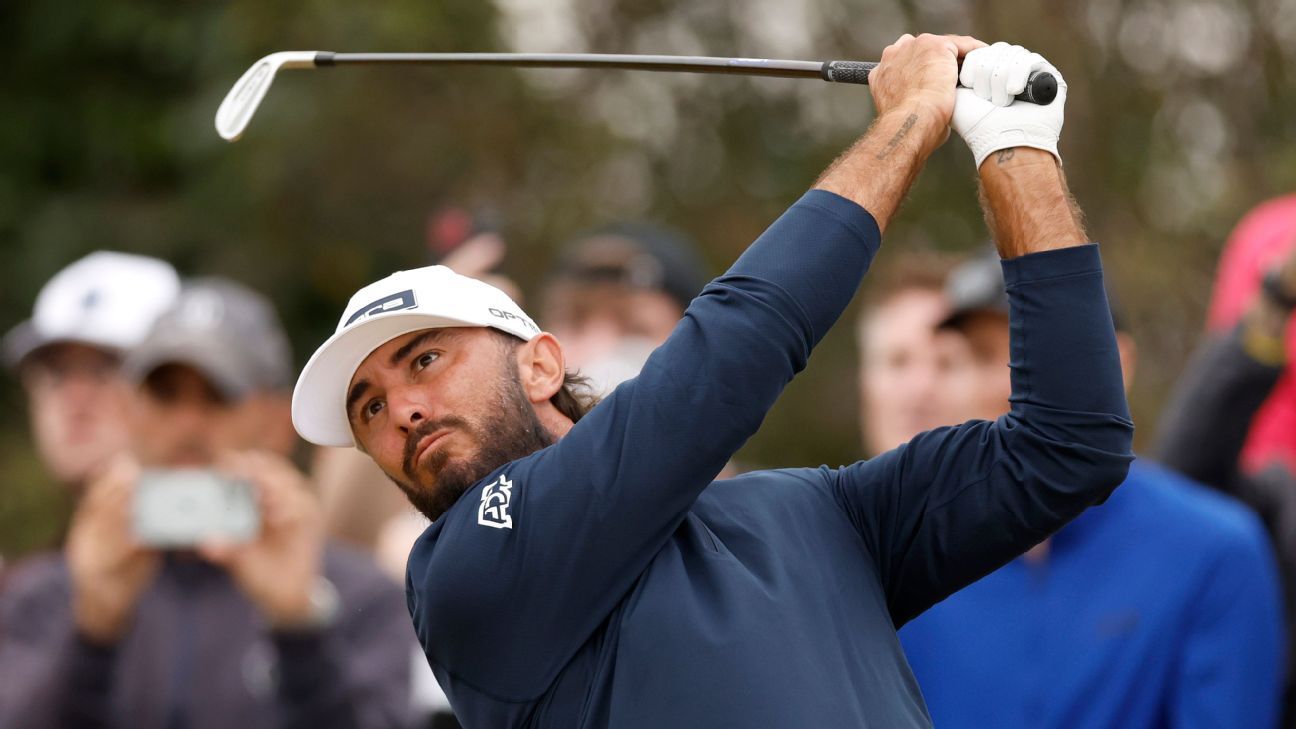
- Bryson DeChambeau received a two-stroke penalty during the second round of The Open after stepping on tall fescue grass behind his ball on the par-4 fifth hole at Royal Birkdale, changing his score from bogey 5 to triple-bogey 7 and dropping him from 7 under to 5 under.
- Grant Moir, the R&A's executive director of governance, said the rule "applies even when the action is accidental, as it was in Bryson's case," and R&A CEO Mark Darbon called it "an unfortunate decision but really clear-cut from a rules perspective."
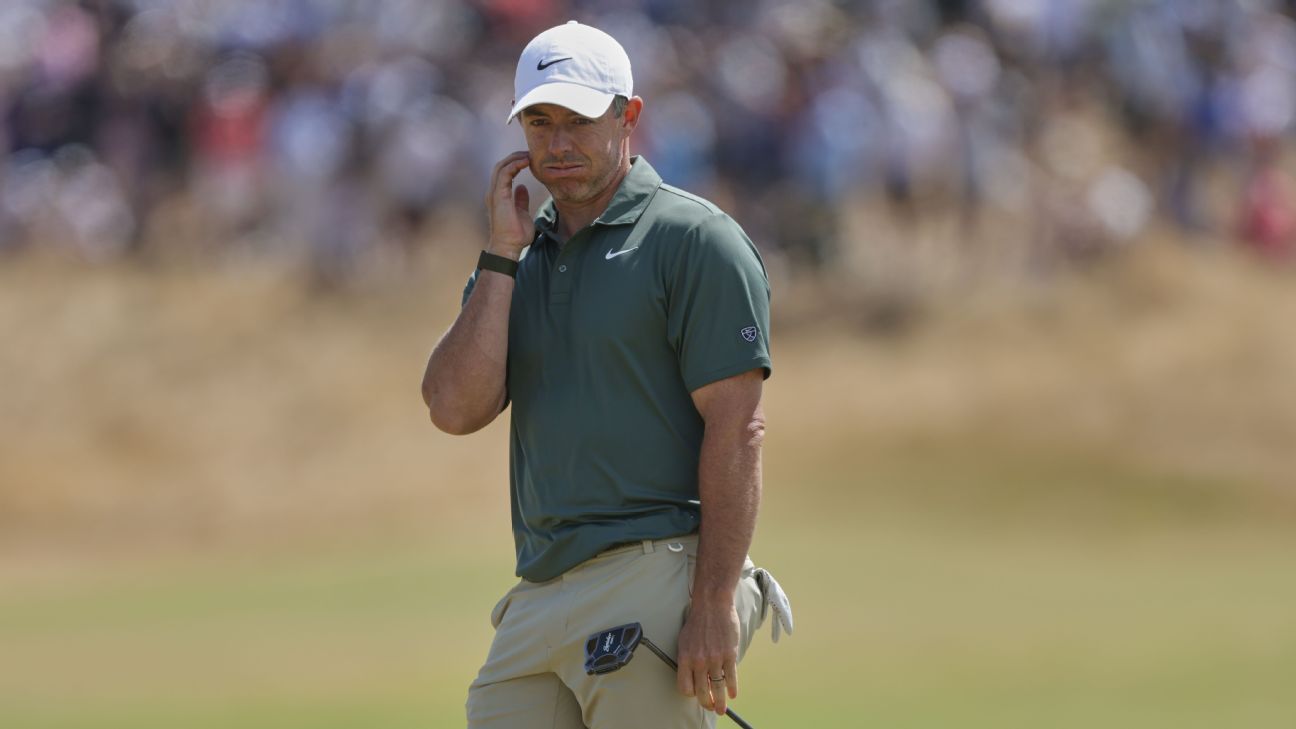
- Rory McIlroy, who watched the incident on TV in the players' lounge, said the penalty "was justified for sure" and "there's no doubt that he improved the line of his backswing," but added he was "not particularly fond of" DeChambeau and criticized him for delaying Saturday's tee times by arguing his case post-round.
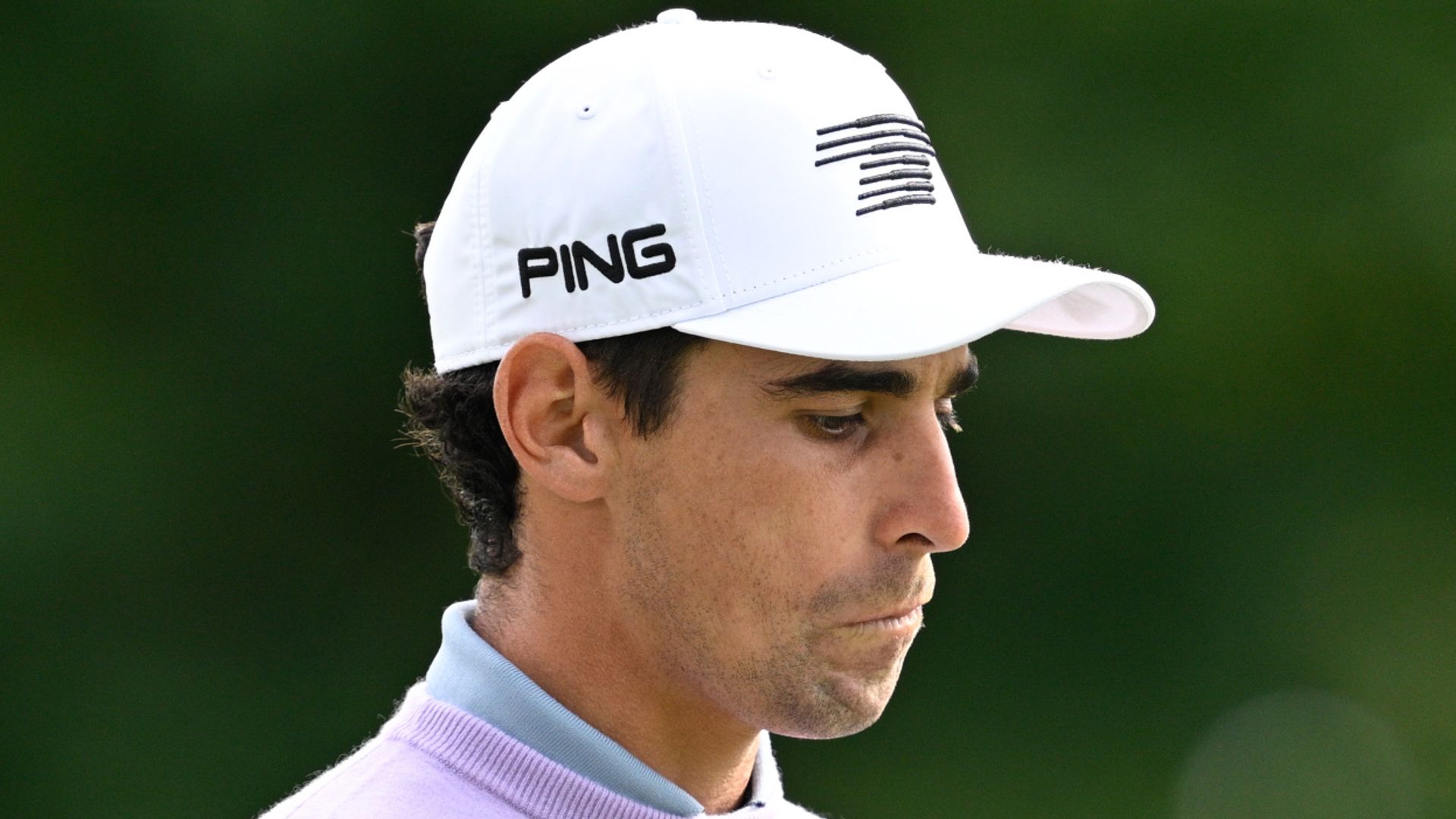
- Max Homa publicly defended DeChambeau, saying "I've known Bryson for a very long time, and he's an interesting human at times, but I know he would never cheat the game of golf."
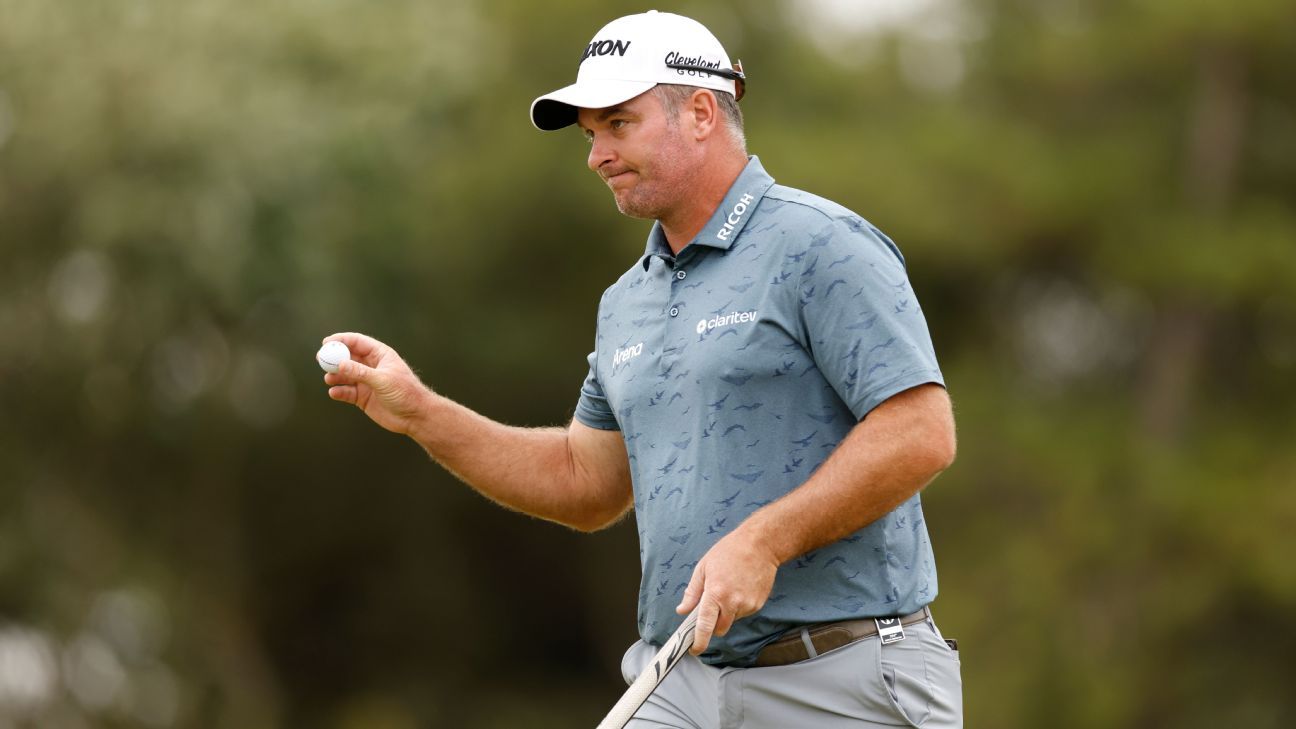
- Russell Henley flagged a fairness issue with TV exposure: "If I played that hole yesterday, and I did the same thing, maybe they don't penalize me because maybe they don't see me do it. That's the tough part—he's on TV every single shot."
- Xander Schauffele said DeChambeau appeared to be "just stepping in how you'd normally step in to hit a golf shot" in difficult brush, though he acknowledged the R&A rule treats intentional and accidental actions the same.
Why it matters: The R&A's enforcement against DeChambeau — one of golf's highest-profile TV draws — sets a high-visibility precedent that even an accidental step in native grass can cost a player two strokes, with players already split on whether the penalty fits the intent. McIlroy's pointed on-record criticism and the delayed third-round tee times show the ruling carried real competitive and logistical consequences beyond DeChambeau's scorecard.
Ask SkimNews