Trump's Germany Pullout Weakens NATO Deterrence — SkimNews

Get the Geopolitics newsletter
Daily geopolitics — wars, elections, sanctions, the diplomatic moves that move markets. Free.
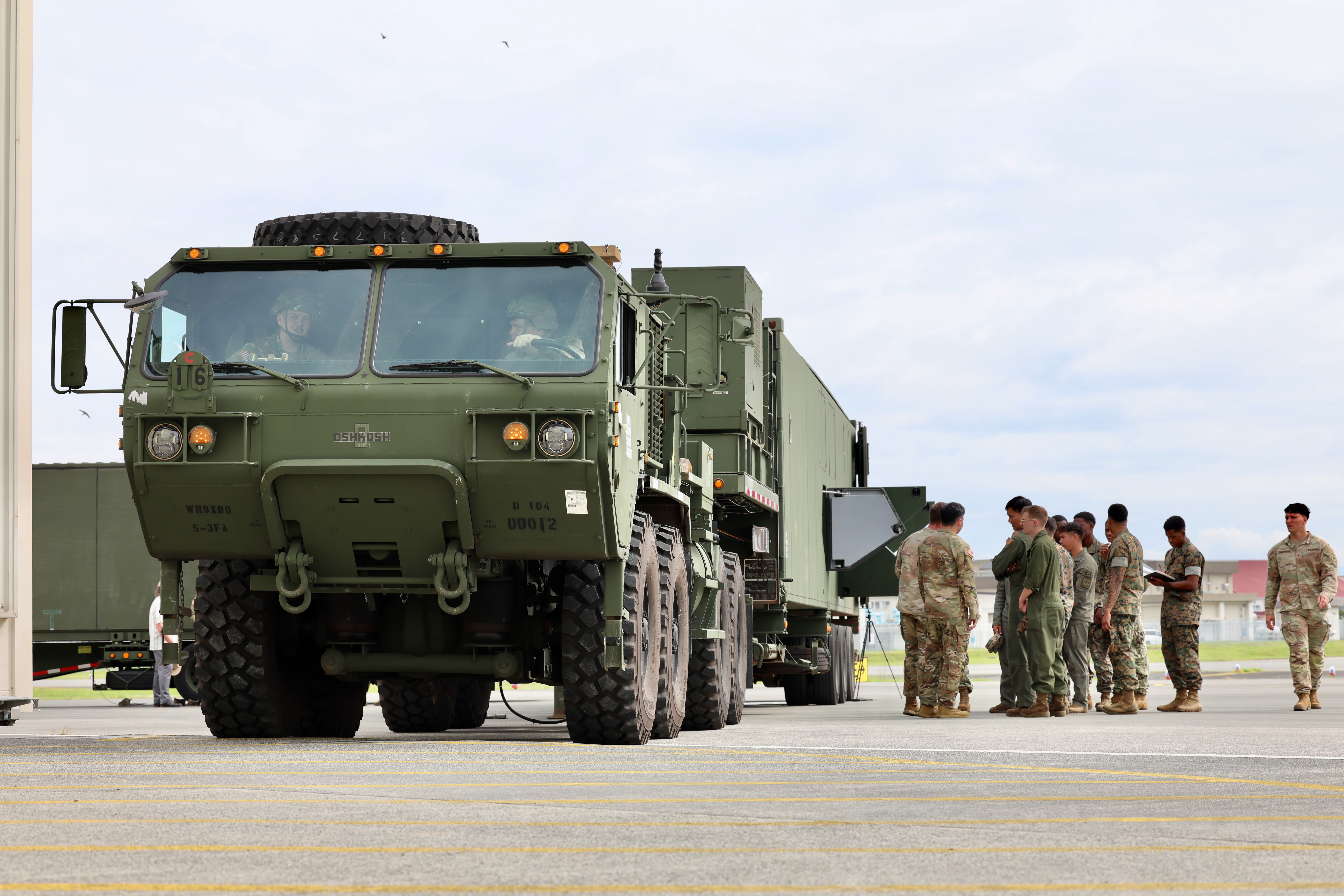
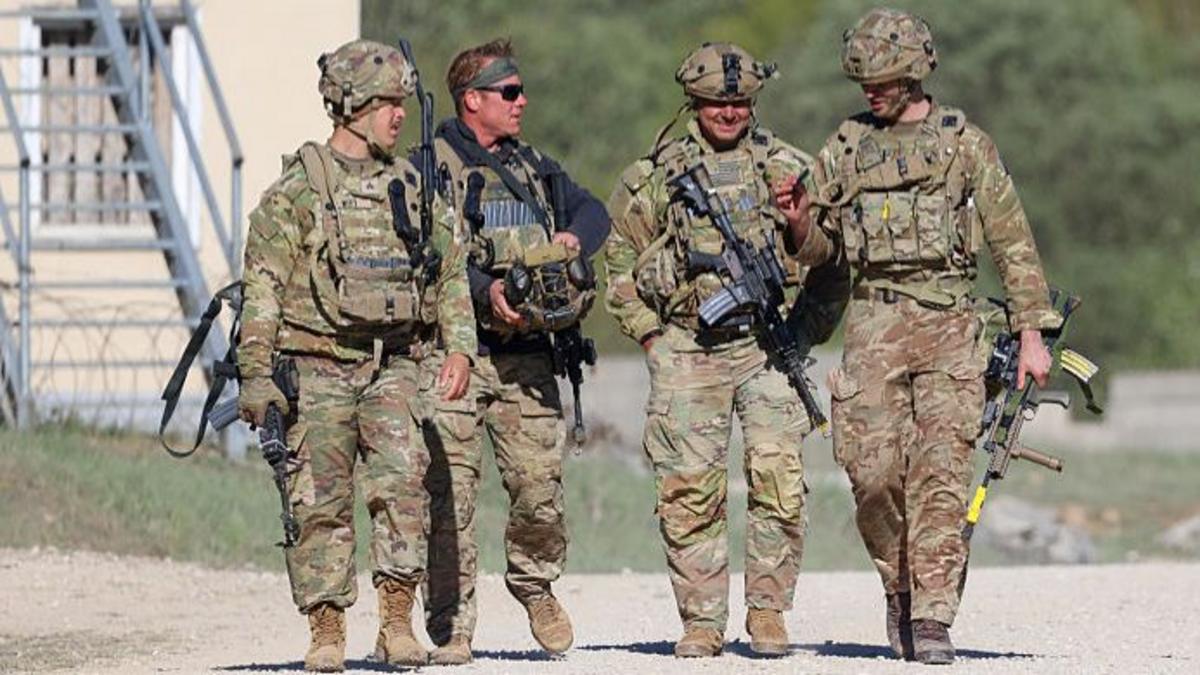
- Trump administration announced the withdrawal of two battalions from Germany and canceled the planned deployment of intermediate-range ground-launched missiles, with little advance notice to allies
- NATO is left with inadequate means to counter Russia's growing numbers of Oreshnik intermediate-range hypersonic missiles, stoking fears the US nuclear umbrella is unreliable and raising the chances of nuclear proliferation in Europe
- Cancellation of the Dark Eagle hypersonic missile deployment removes a key Russian incentive to compromise over Ukraine, increasing the odds of prolonged instability in the country
- Trump's approach contrasts with Ronald Reagan's Cold War 'dual track' policy, which deployed Pershing II missiles to West Germany while simultaneously offering to remove them if Moscow agreed to restrictions—ultimately producing the INF Treaty banning that missile class
- The author argues the US should not cancel weapons Russia perceives as threatening without securing concessions, and should pursue managed rebalancing within NATO harmonized with normalizing relations with Moscow
- Europe's economic stagnation and demographic weakness mean the continent cannot balance against Russia on its own, yet its reluctance to use diplomacy to manage Moscow deepens Russia's alignment with Beijing
Why it matters: The abrupt withdrawal stokes fears among NATO allies that the US nuclear umbrella is unreliable and increases the chances of nuclear proliferation within the alliance. Unilaterally canceling the Dark Eagle missile deployment also removes a Russian incentive to compromise over Ukraine, risking prolonged conflict and deeper Russia-China alignment that would complicate America's Indo-Pacific focus.
Ask SkimNews