Study: Drought Boosts Cholera, West Nile, and Dengue Spread
Get the Health newsletter
Daily health & science — research, biotech, public health, the studies worth knowing. Free.
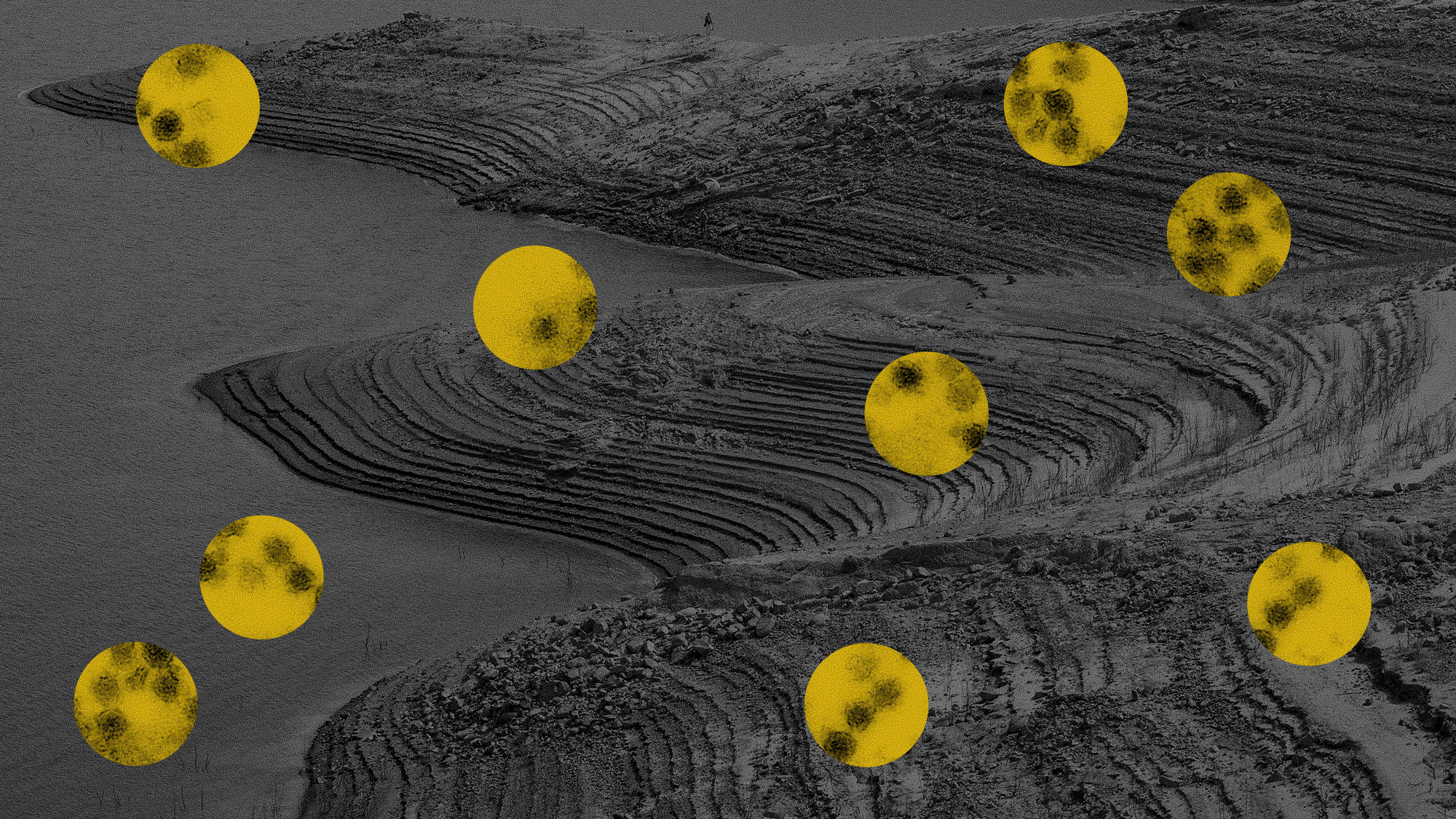
- Trends in Ecology and Evolution published a paper last week synthesizing nearly 100 studies on drought and disease across humans, mammals, fish, amphibians, and insects.
- Tara Stewart Merrill of the Cary Institute of Ecosystem Studies and Pieter Johnson of the University of Colorado Boulder authored the paper, which they dubbed the "drought-disease paradox."
- Diseases like cholera, West Nile virus, and dengue can boom during droughts, while schistosomiasis (snail fever) and malaria sometimes plummet as ponds and lakes vanish.
- The world is 77 percent drier than it was three decades ago, according to a United Nations report cited in the piece.
- Documented outbreaks include California's 2000s droughts producing thousands of excess valley fever cases, a 2017 Somalia drought driving roughly 80,000 cholera cases that killed more than 1,000 people, and Brazilian dengue risk rising in the months after drought.
- Georgia Titcomb of Colorado State University found parasites thrived at remaining watering holes, with more than 100,000 eggs per kilogram of dung measured after dry periods on the African savannah.
- Sam Sabado of Stanford University warned that "weather whiplash" — heavy rain followed by drought — worsens outbreaks like valley fever, which grows in wet winters and spreads as wind-borne dust in summer.
Why it matters: As the planet grows 77% drier, public health planners can no longer rely on wet-season assumptions. Drought concentrates animals at scarce water — pushing parasite loads past 100,000 eggs per kilogram of dung — and has already driven 80,000 Somalia cholera cases, putting dams, irrigation, and satellite water tracking squarely on the disease map.
Ask SkimNews