The real reason exercise makes you stronger isn’t what you think — SkimNews
Get the Health newsletter
Daily health & science — research, biotech, public health, the studies worth knowing. Free.
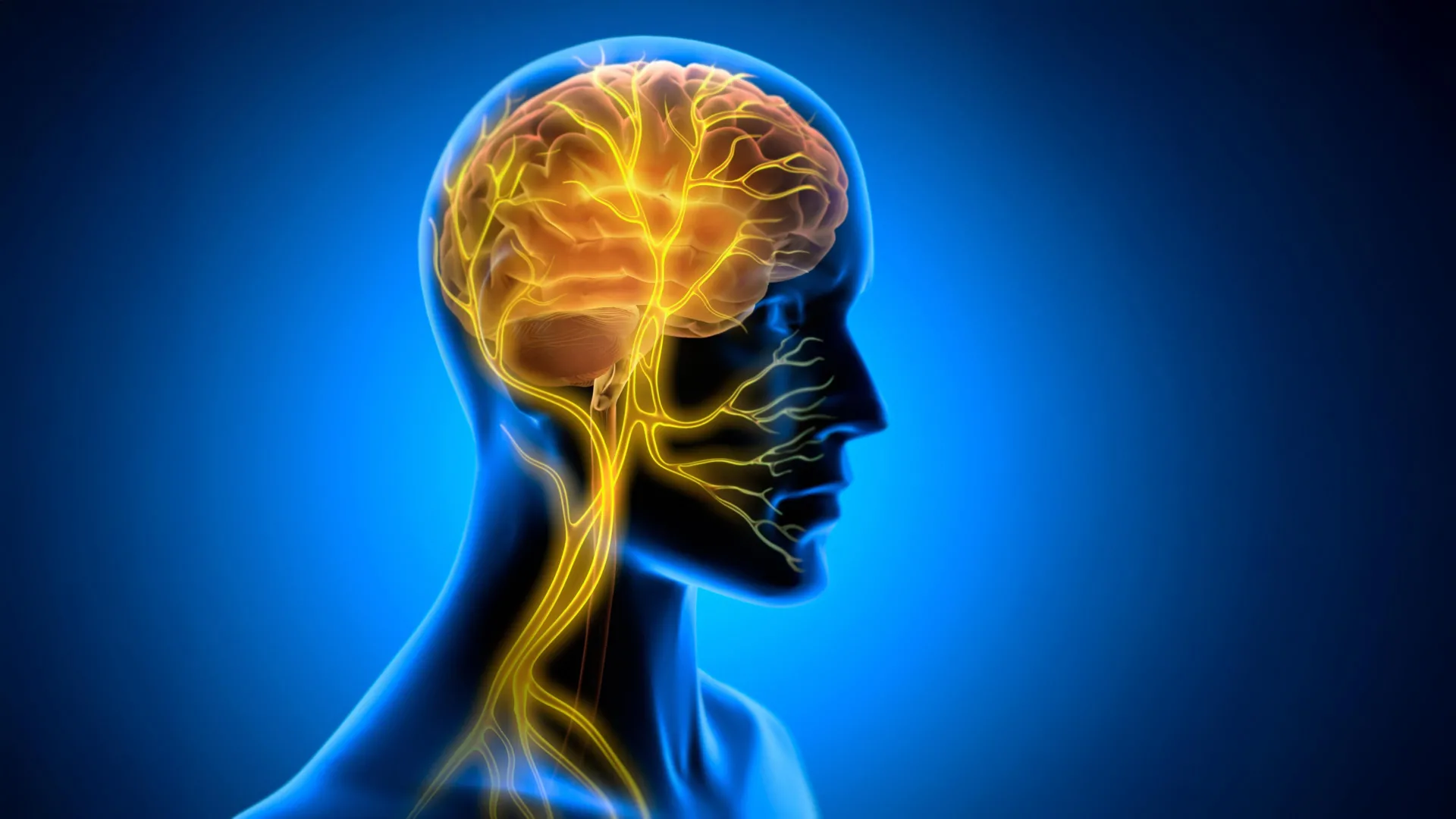
- SF1 neurons in the ventromedial hypothalamus of mice increased firing during treadmill running and stayed active for at least an hour after the workout.
- Two weeks of daily treadmill training produced measurable endurance gains in the mice, with longer run times and higher speeds, alongside heightened SF1 neuron activity.
- Blocking SF1 neuron communication after each exercise session prevented the mice from improving endurance, even though they continued to exercise normally.
- J. Nicholas Betley of the University of Pennsylvania authored the Neuron study, reporting that post‑exercise brain activity appears essential for endurance adaptation.
Why it matters: Athletes and trainers can tap the two‑week post‑exercise brain activity window to design more efficient endurance programs, cutting training time and lowering injury risk.
Ask SkimNews