North Korea Sets Automatic Nuclear Retaliation — SkimNews
Get the Geopolitics newsletter
Daily geopolitics — wars, elections, sanctions, the diplomatic moves that move markets. Free.
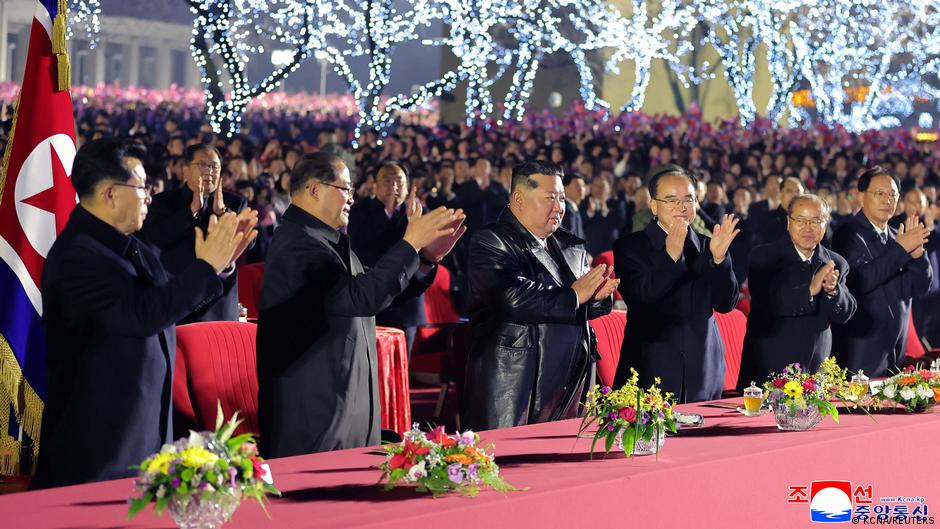
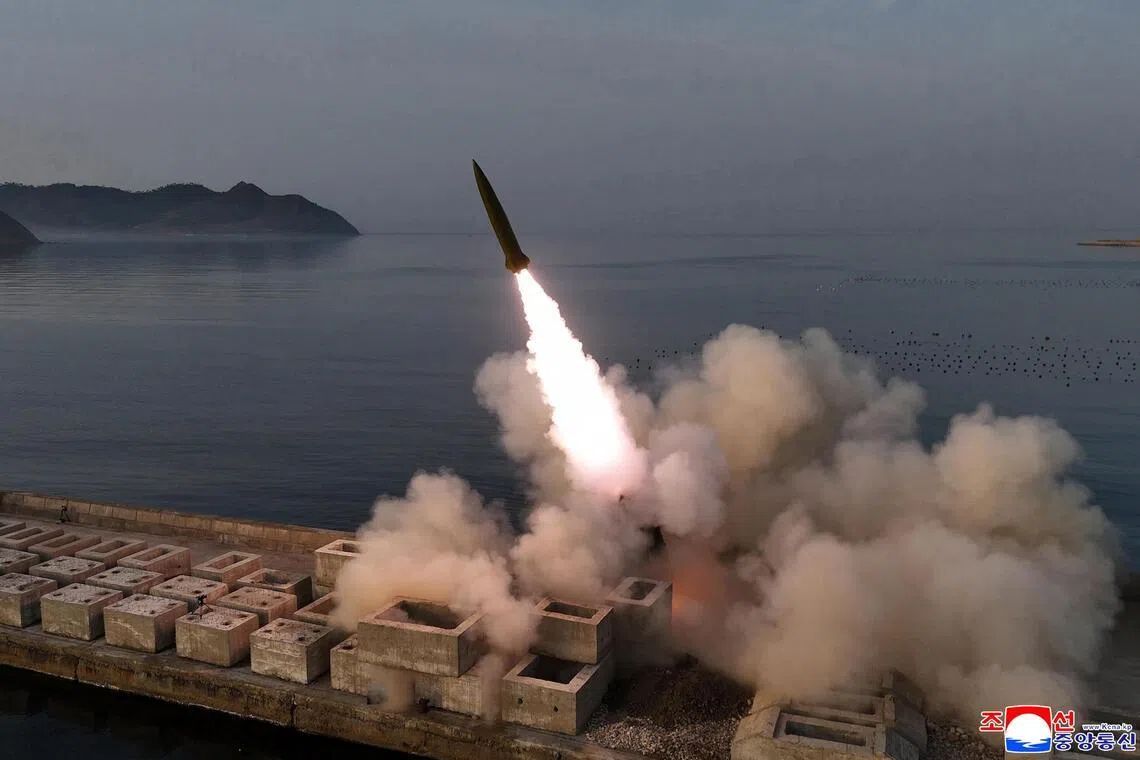
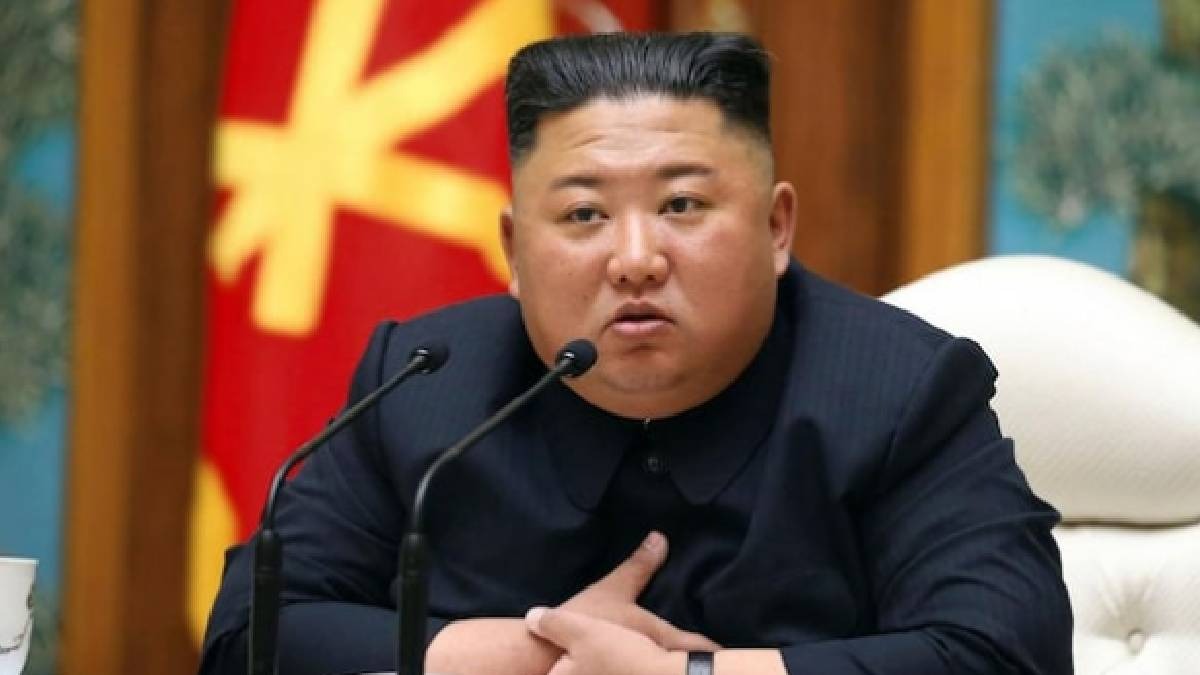
- North Korea revised its constitution to require an automatic nuclear strike if Kim Jong‑un is assassinated or incapacitated during a hostile attack that threatens the nuclear command‑and‑control system.
- Supreme People's Assembly adopted the amendment during its first session, which opened on March 22, 2024, and it was publicly disclosed by South Korea’s National Intelligence Service.
- South Korea's National Intelligence Service linked the change to the recent joint US‑Israeli strikes on Iran that killed Supreme Leader Ali Khamenei, saying the operation rattled Pyongyang’s leadership.
- Professor Andrei Lankov noted that North Korea likely already had such contingency plans but now hard‑wired them into law after watching Iran’s rapid decapitation strike, reflecting Pyongyang’s fear of a similar attack.
- US‑Israeli strike on Iran is cited as the catalyst that prompted Pyongyang to adopt a Cold‑War‑era “Dead Hand”‑style deterrent logic, aiming to assure the world that a nuclear response would be inevitable even without direct orders.
Why it matters: Pyongyang secures a legally‑mandated nuclear retaliation, bolstering its regime’s survival calculus, while South Korea, Japan and the U.S. confront a heightened risk of rapid escalation that strains regional stability.
Ask SkimNews