In Iran, US President Donald Trump Makes The Case For Renewable Energy, Again

Why it matters: This conflict highlights how geopolitical instability in oil-rich regions directly accelerates the economic and technological case for a rapid global transition to renewable energy and electric vehicles, impacting consumer costs and long-term energy independence.
- US President Donald Trump's attack on Iran continues a trend of Republican presidents initiating major Middle East conflicts, disrupting global oil supplies and increasing gas prices.
- Energy analysts anticipate a double-digit increase in US gas prices, building on a 17% rise since January due to escalating tensions.
- Renewable energy technologies, including wind and solar, are now far more efficient and mainstream than during previous conflicts, supported by advances in electrification and distributed energy storage.
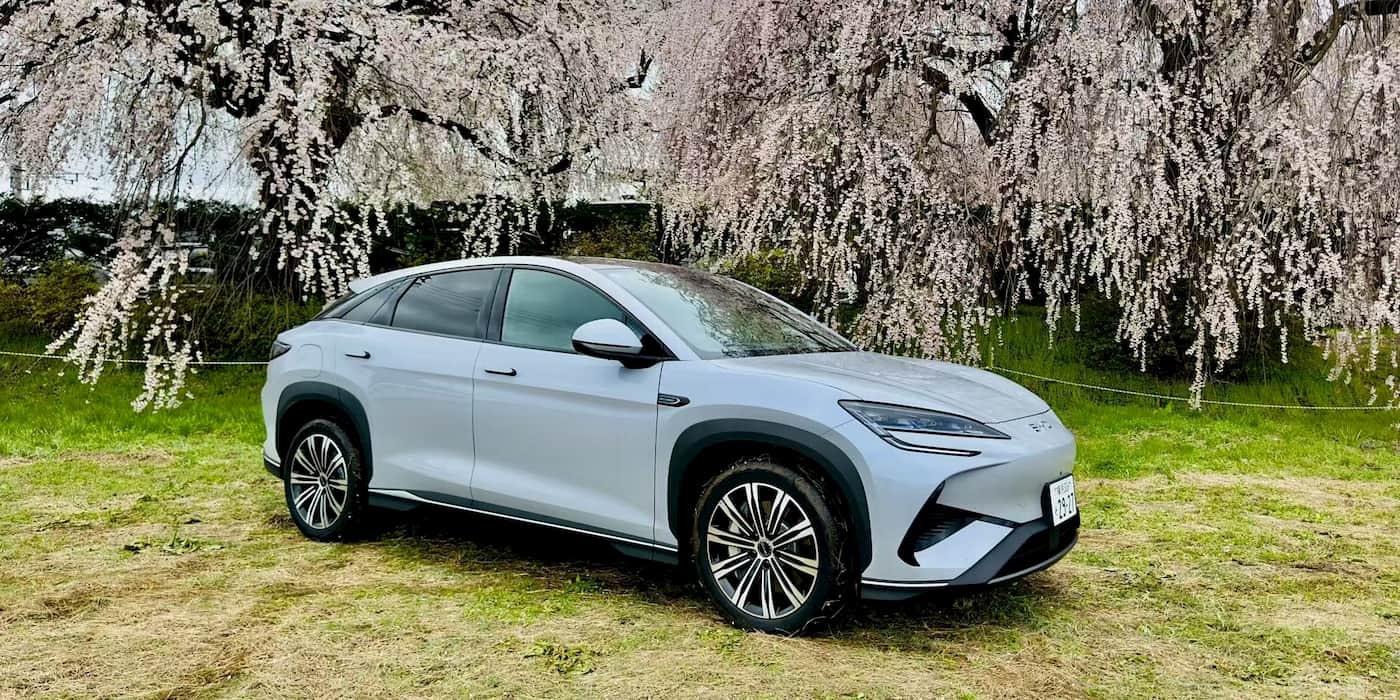
- The electric vehicle market has matured significantly since the 1990s and early 2000s, with federal support under Presidents Obama and Biden making EVs a viable alternative to mitigate high gas prices.
The latest US military action in Iran, following a pattern of Middle East interventions by Republican presidents, is poised to drive up oil prices and gas costs for consumers, yet it also starkly underscores the growing imperative and viability of renewable energy solutions. Unlike previous conflicts, the current landscape features significantly advanced wind, solar, and electrification technologies, alongside a burgeoning electric vehicle market, positioning renewables for unprecedented growth.