U.S.-Iran Talks Open in Switzerland; Nuclear Issue Off — SkimNews

Get the Geopolitics newsletter
Daily geopolitics — wars, elections, sanctions, the diplomatic moves that move markets. Free.
- J.D. Vance, flanked by Jared Kushner and Steve Witkoff at Switzerland's Burgenstock resort, called the 80-minute first round of U.S.-Iran talks "a historic meeting" and asked whether the two sides "can turn over a new leaf," even as renewed Lebanon fighting and lack of consensus rendered a permanent deal elusive.
- Iran's state broadcaster reported that no nuclear negotiations took place during Sunday's session, with the focus limited to implementing the June memorandum of understanding and the Lebanon situation; President Masoud Pezeshkian said Tehran would not relinquish uranium enrichment but would state in writing it has no intention of building a bomb.
- Benjamin Netanyahu reiterated that Israeli troops would remain in south Lebanon "as long as necessary" and repeated his vow not to allow Iran to acquire nuclear weapons, while military chief Eyal Zamir said Hezbollah had suffered a "severe and significant blow."
- Donald Trump threatened to strike Iran if it did not "immediately stop their highly paid PROXIES in Lebanon from causing trouble," underscoring the gap between the diplomatic track in Switzerland and Trump's pressure posture.
- Iran closed the strategic Strait of Hormuz again in response to Israeli strikes on Lebanon, having reopened it as part of the June deal; Foreign Ministry spokesman Esmaeil Baghaei said unfreezing Iranian assets and issuing oil-sale licenses would also be on the agenda.
- Friday's planned talks were postponed after Israel launched deadly strikes in Lebanon following the deaths of four Israeli soldiers; Lebanon's Health Ministry said the overall death toll from the fighting has now surpassed 4,100.
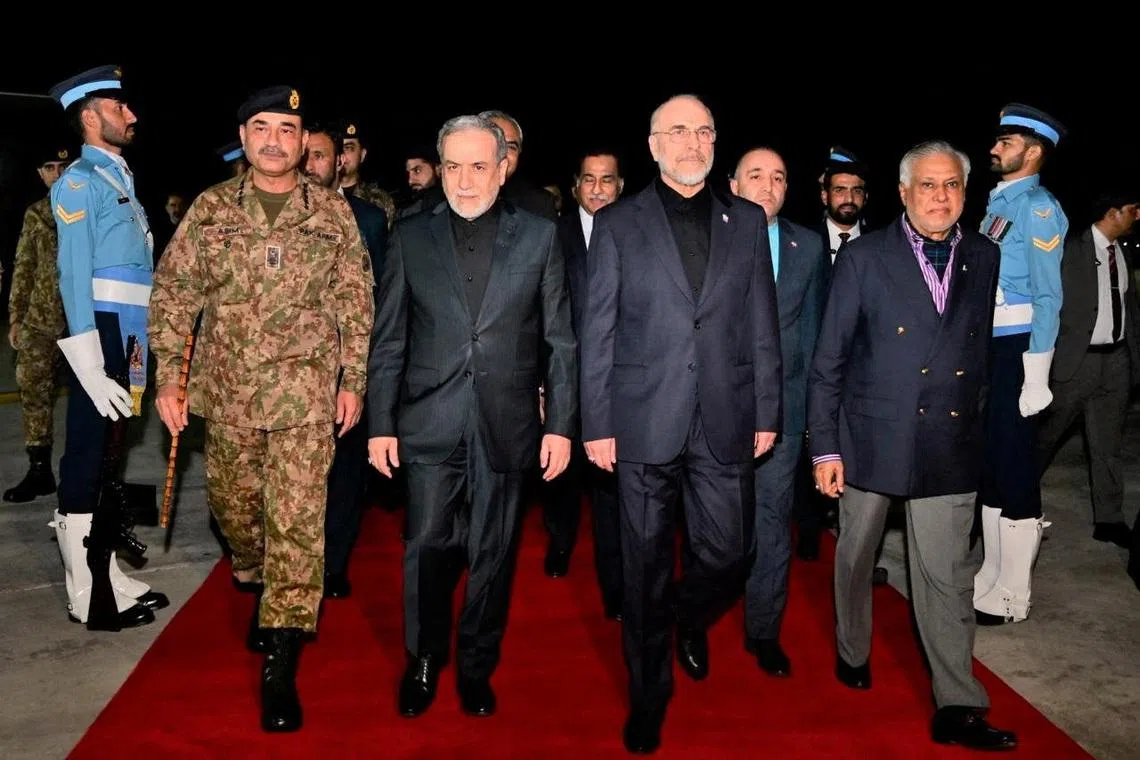
- Pakistani and Qatari mediators joined the American and Iranian delegations in Switzerland, with the talks intended to trigger a 60-day period to settle broader U.S.-Iranian issues, though Tehran military adviser Mohsen Rezaei posted that "the enemy has shown itself to be a promise-breaker."
Why it matters: The omission of Iran's nuclear program from the first 80-minute round is a significant procedural signal: the issue both Netanyahu and Trump publicly insist is non-negotiable went undiscussed, even as Iran re-closed the Strait of Hormuz — a chokepoint for global oil and gas — in retaliation for Israeli strikes in Lebanon where the death toll now exceeds 4,100. With a 60-day window now triggered and mediators from Pakistan and Qatar in the room, the next round will test whether the Lebanon front or the nuclear file dominates.
Ask SkimNews