Scientists find hidden brain cells helping deadly cancer grow
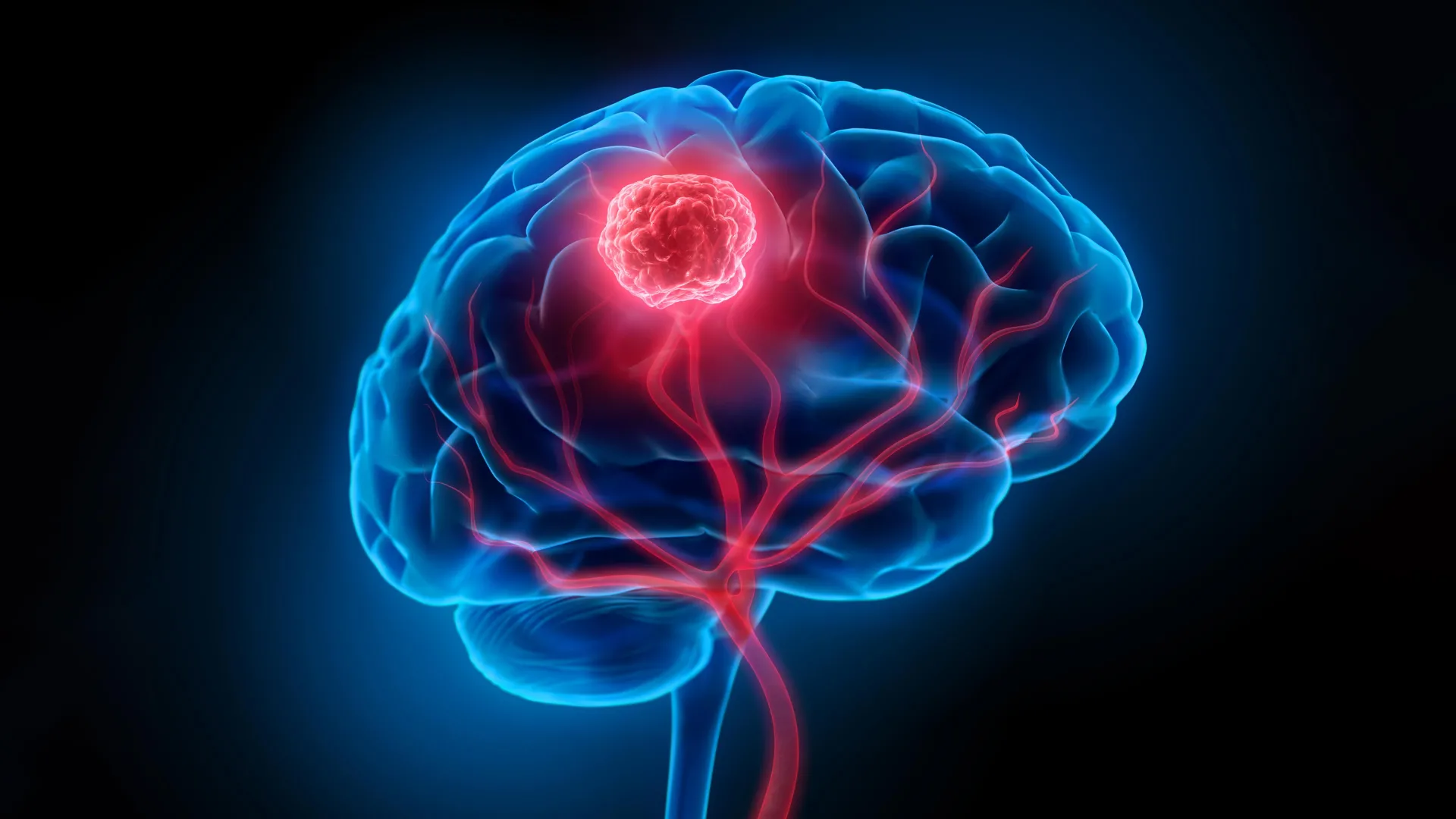
Why it matters: This discovery offers a potential new treatment pathway for glioblastoma patients, who currently face survival measured in months.
- McMaster University and The Hospital for Sick Children (SickKids) researchers discovered that oligodendrocytes, brain cells normally protecting nerve fibers, can switch roles to support glioblastoma growth by sending strengthening signals to cancer cells.
- Scientists found that interrupting the communication between these oligodendrocytes and tumor cells, specifically by targeting the CCR5 receptor, dramatically reduced tumor growth in laboratory models.
- An existing HIV drug, Maraviroc, which targets the CCR5 receptor, has been identified as a potential treatment to interfere with this cancer-promoting signaling, offering new hope for patients with limited options.
Canadian scientists have uncovered a critical vulnerability in glioblastoma, the deadliest brain cancer, by identifying that specific brain cells, previously thought to only support healthy nerves, actively promote tumor growth. By blocking this newly discovered communication pathway, researchers significantly slowed tumor growth in lab models and identified an existing HIV drug, Maraviroc, as a potential treatment.