Bangladesh Bets $2.8B on Barrage as India Water Treaty Expires

Get the Geopolitics newsletter
Daily geopolitics — wars, elections, sanctions, the diplomatic moves that move markets. Free.
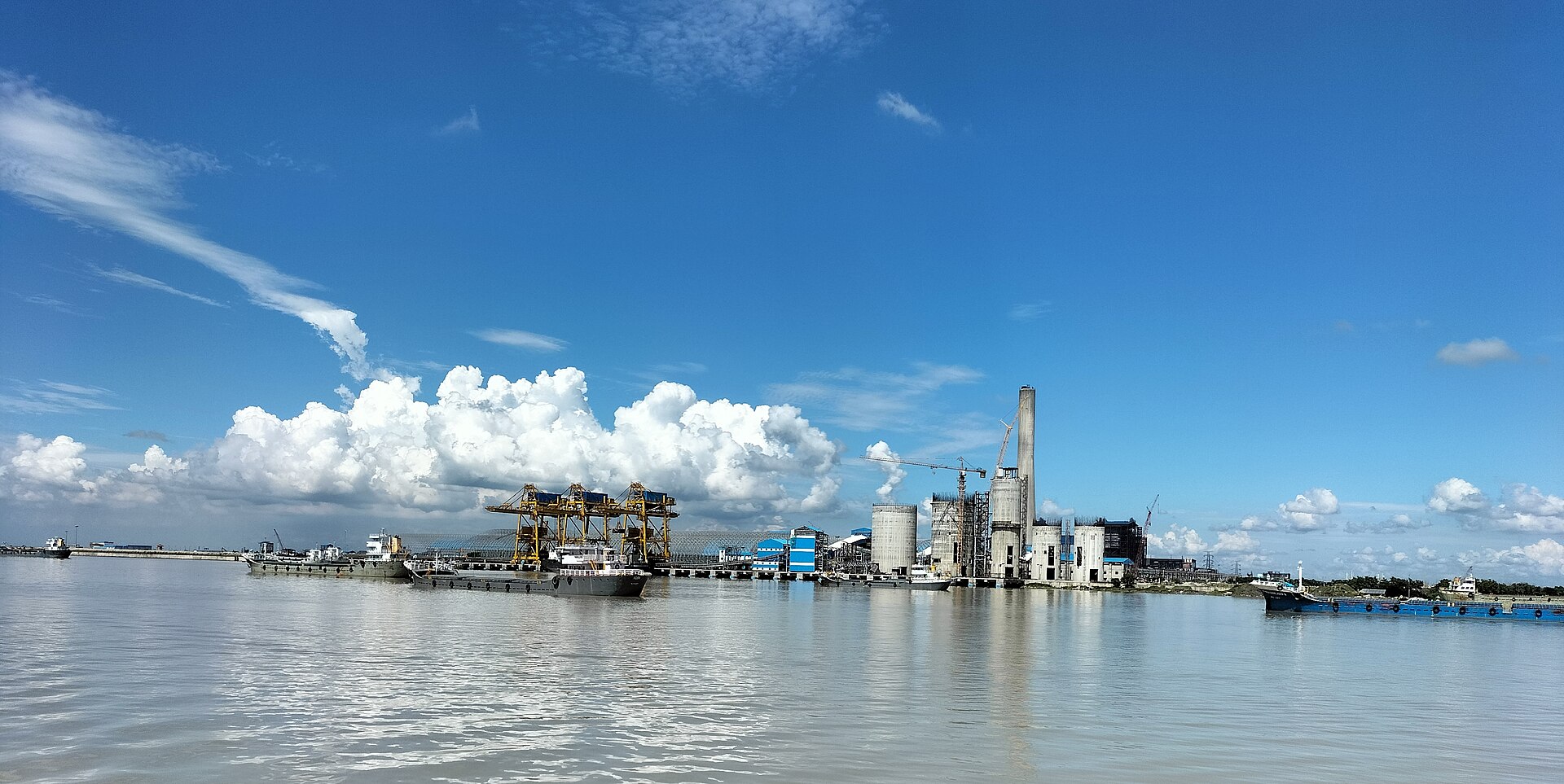
- Bangladesh's Executive Committee of the National Economic Council approved the $2.8 billion Padma Barrage at Pangsha in Rajbari district this week, with first-phase costs potentially crossing $4 billion — making it one of the country's most expensive public works.
- The Padma Barrage is designed to hold nearly 2,900 million cubic meters of monsoon water, revive five major river systems, and improve irrigation across 28.8 lakh hectares of farmland in southwestern Bangladesh.
- The 1996 Ganges Water Sharing Treaty expires in December 2026, and a former diplomat told the author the barrage decision reflects 'declining confidence' that Bangladesh can secure its water future through negotiations with India alone.
- Rivers like the Gorai, Madhumati and Ichamati have progressively silted up since India commissioned the Farakka Barrage in the 1970s, with salinity intrusion creeping deeper inland — the ecological damage the new project aims to reverse.
- Prime Minister Tarique Rahman's government approved the mega project despite previously criticizing Sheik Hasina-era infrastructure as vanity spending, with officials now framing it as 'existential necessity' tied to food security and climate resilience.
- The unresolved Teesta water-sharing dispute looms alongside the Ganges treaty, with the BJP's electoral rise in West Bengal potentially giving New Delhi more room to negotiate — or harden its strategic approach to transboundary rivers.
- Bangladesh Poribesh Andolon and water experts have warned the Padma, one of the world's most sediment-heavy rivers, will require sophisticated sediment management or silt accumulation could rapidly undermine storage capacity and navigability.
Why it matters: With the 1996 Ganges treaty expiring in seven months, Bangladesh is spending up to $4 billion on infrastructure that can only redistribute water — not create it. A former diplomat's 'declining confidence' quote reveals Dhaka is hedging against a failed treaty renewal, and the BNP's reversal on mega-project spending exposes the political cost of that hedge.
Ask SkimNews