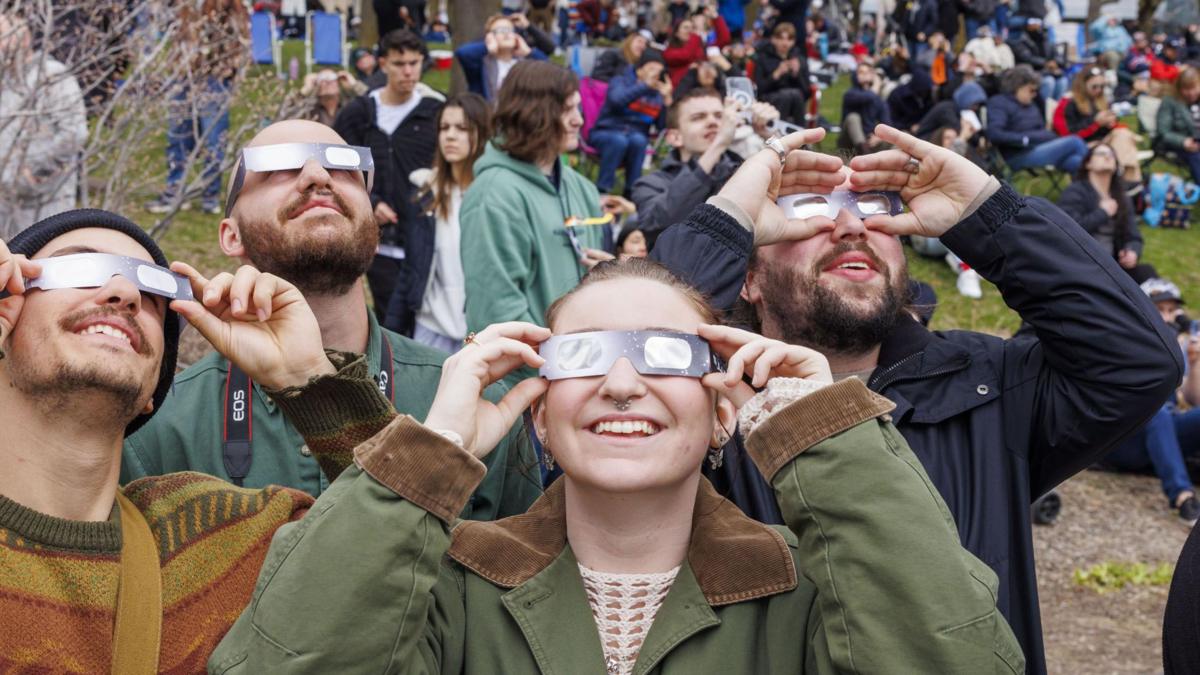
Once-in-a-generation solar eclipse wows millions in UK and Europe
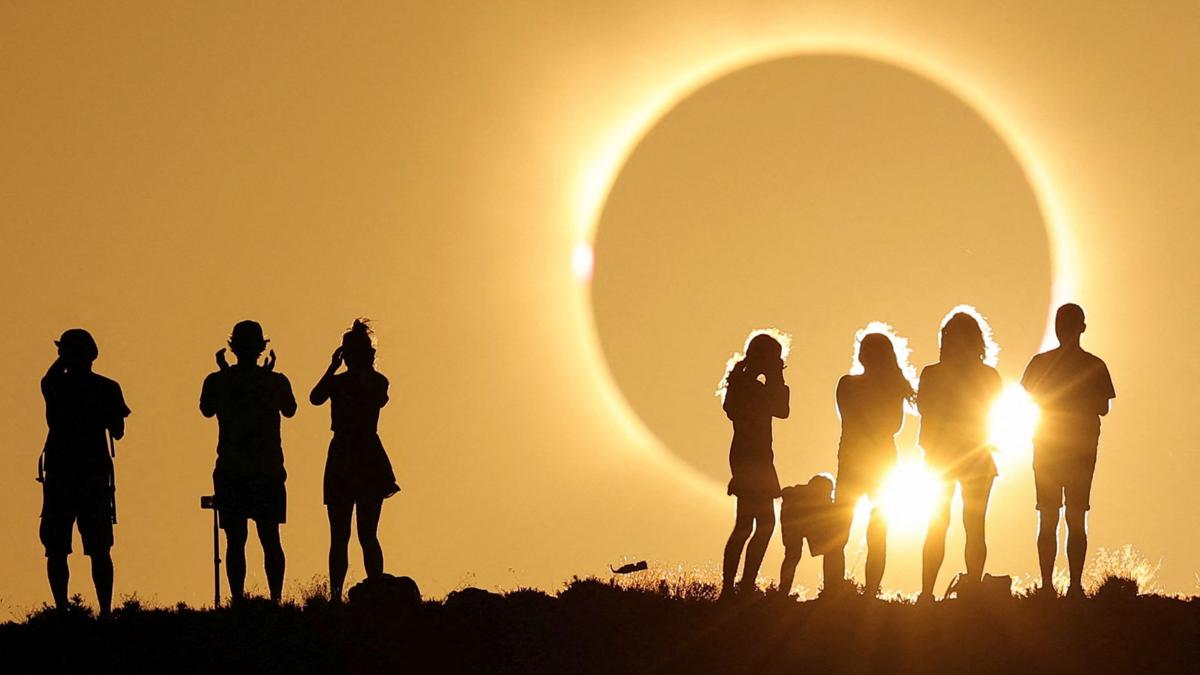
Get the Health newsletter
Daily health & science — research, biotech, public health, the studies worth knowing. Free.
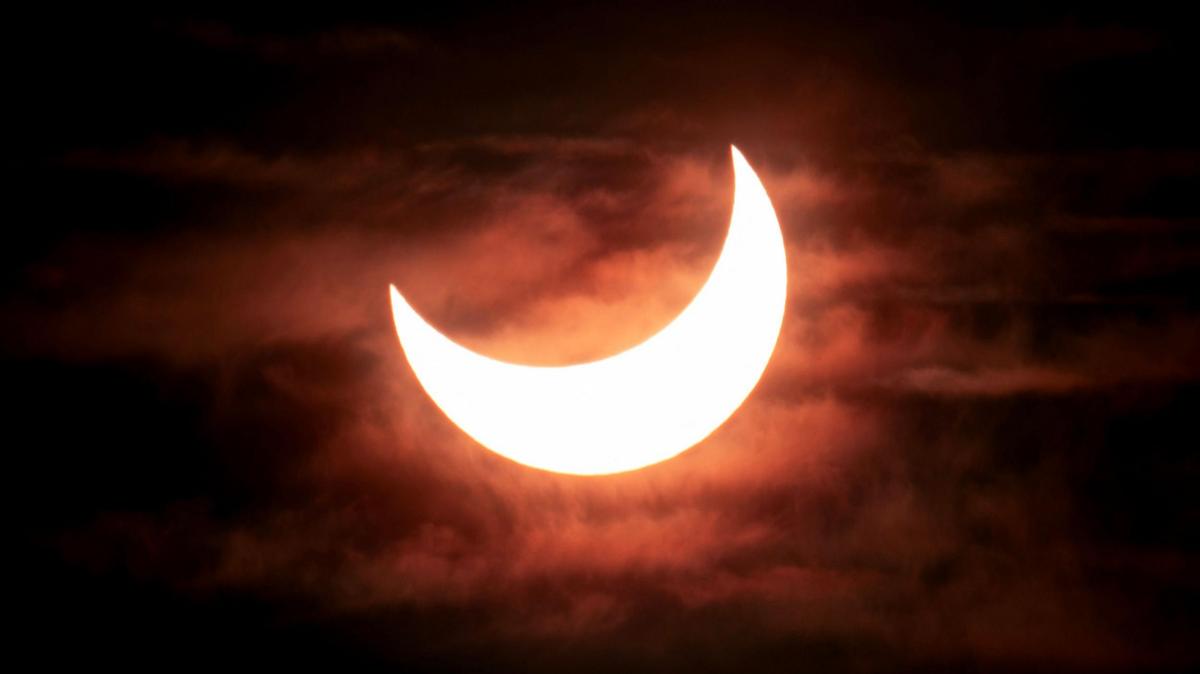
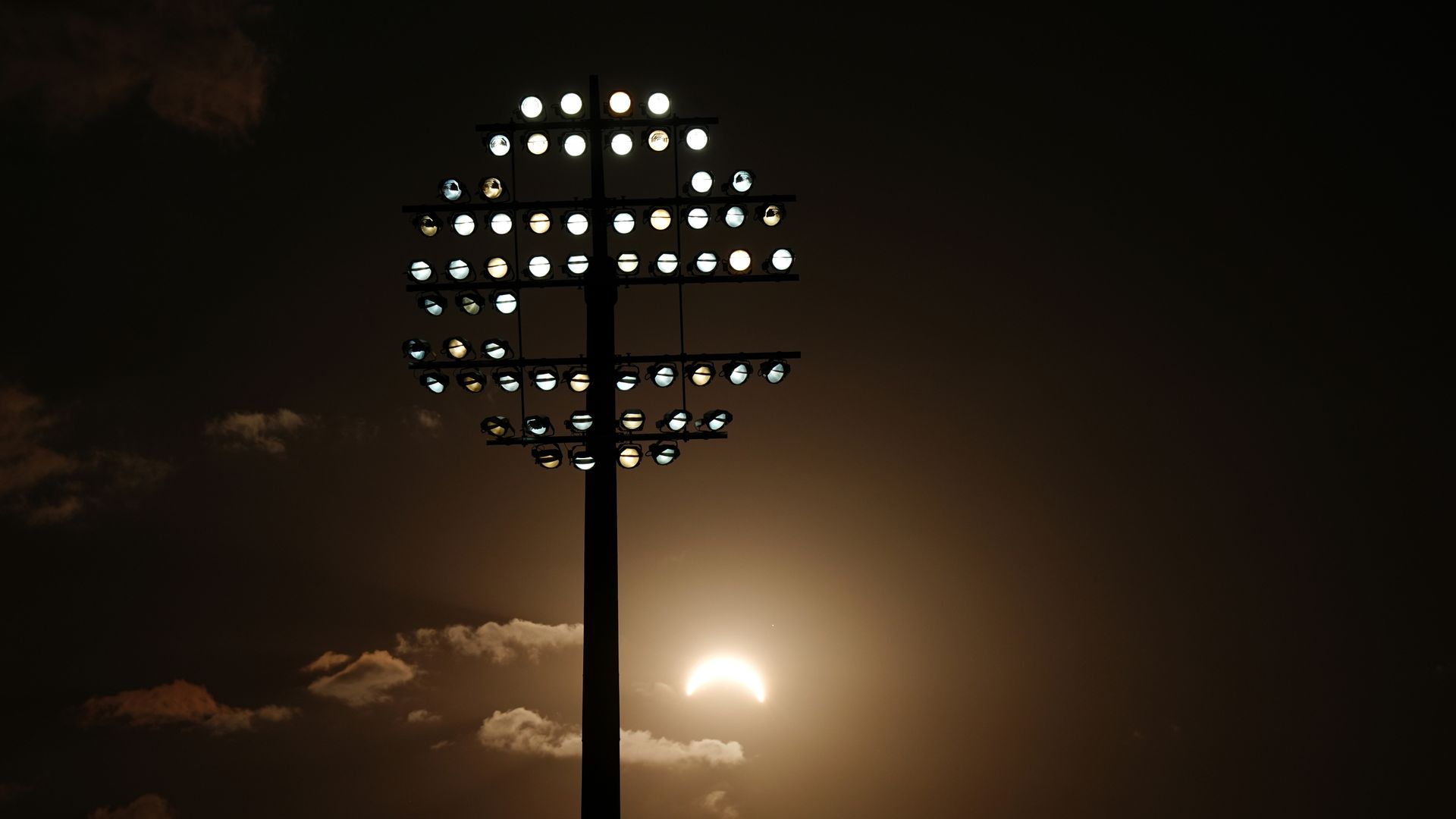
- UK experienced its most dramatic solar eclipse in nearly 30 years, with the partial eclipse peaking shortly after 19:00 BST and covering more than 90% of the Sun for most of the country.
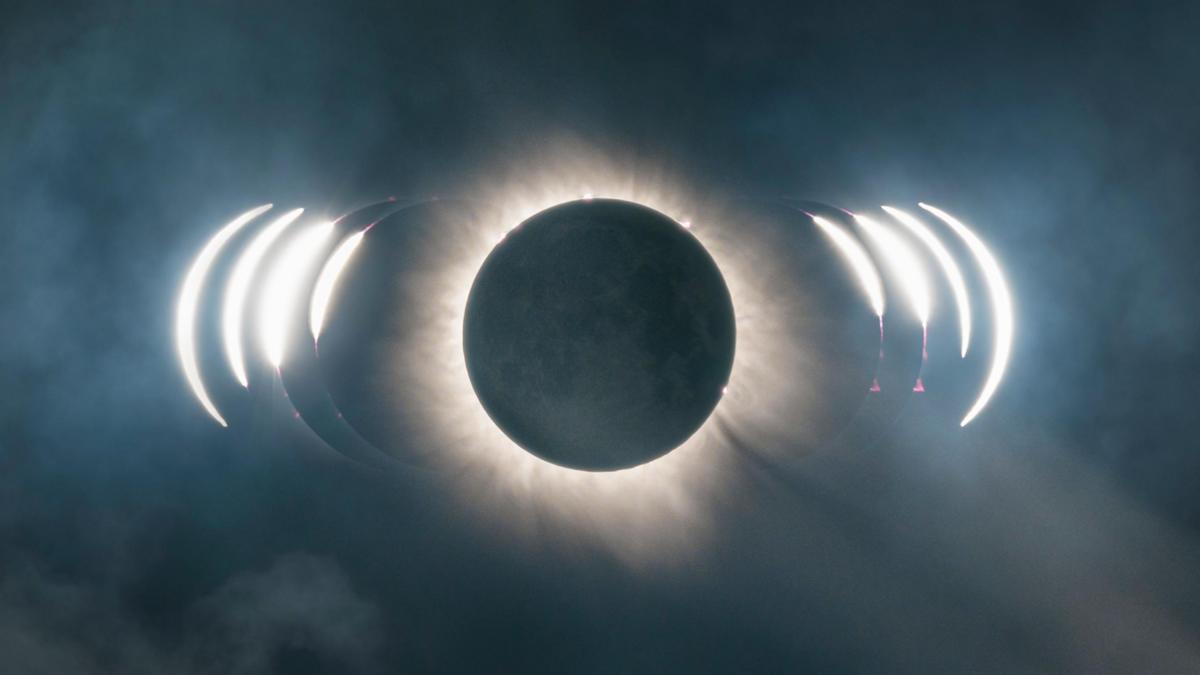
- Greenland, Iceland, and Spain saw a total eclipse, with the Moon's shadow beginning at Siberia's northern tip, curving across the Arctic to Iceland, then sweeping south to Spain.
- Central and southern England and Wales enjoyed perfect clear skies giving unrivalled views, while northern England, Scotland, and Northern Ireland were cloudier but still drew crowds to famous landmarks.
- Solar eclipse glasses sold out across high-street shops and online suppliers, forcing viewers to improvise with colanders, cereal boxes, and paper to watch safely.
- In Cornwall, the Moon covered as much as 95% of the Sun — the deepest partial coverage anywhere in the UK.
- A total solar eclipse occurs somewhere on Earth roughly every 18 months but only once every ~400 years for any given place, per the report.
- UK observers won't see a fuller eclipse than Wednesday's until 2081 (up to 99% coverage), with the country's next total eclipse not occurring until 2090.
Why it matters: For UK sky-watchers, Wednesday's eclipse was the deepest they'd seen in over two decades, and they'll have to wait until 2081 for a comparable event — meaning an entire generation will grow up before the next dramatic eclipse passes over the country. Meanwhile, a 'golden age' of three total eclipses runs from 2026 to 2028, but none will be visible from the UK.
Ask SkimNews