US, Israel Hit Iran's CBW Sites Amid Questions Over Threat — SkimNews
Get the Geopolitics newsletter
Daily geopolitics — wars, elections, sanctions, the diplomatic moves that move markets. Free.
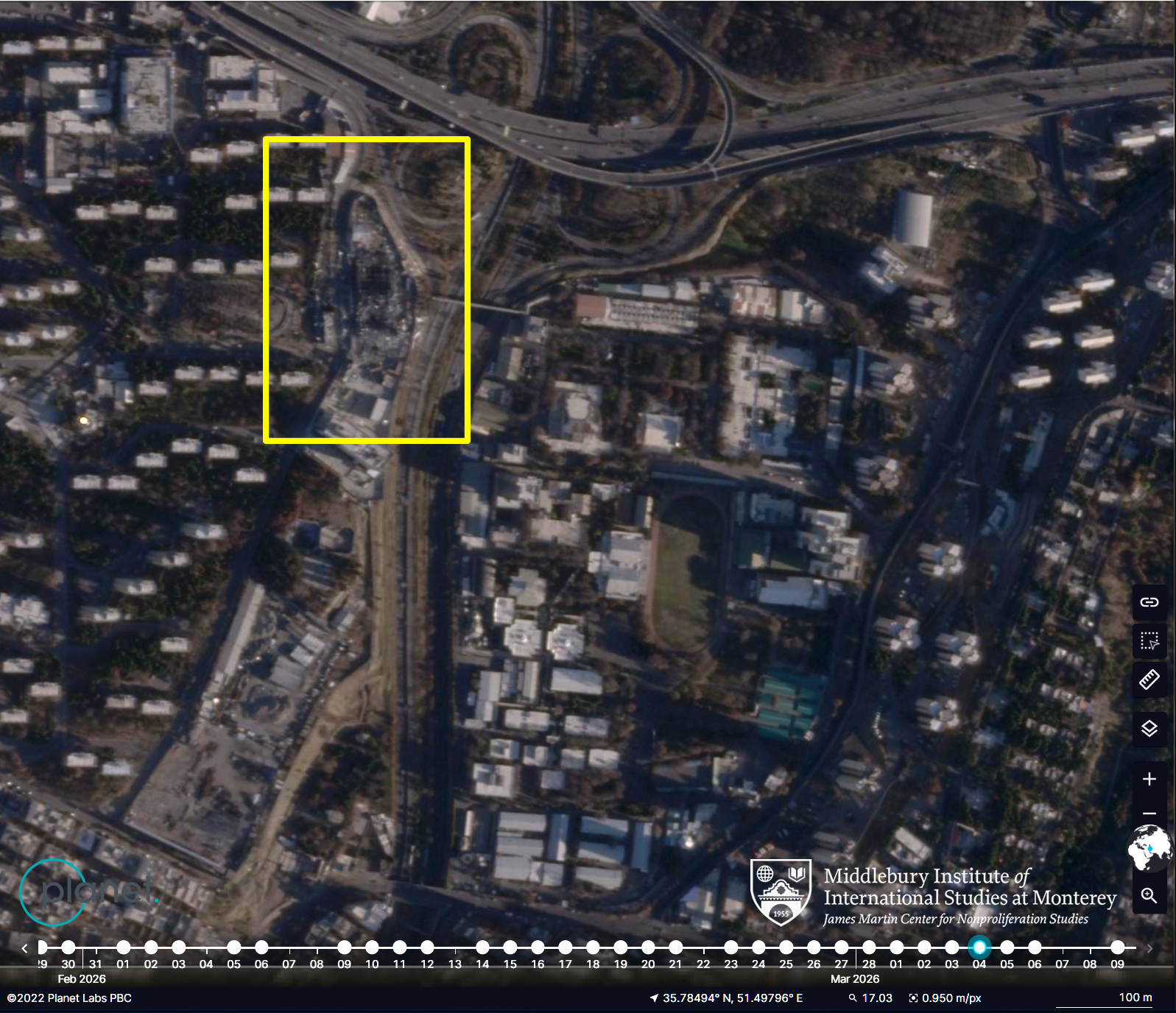
- U.S. and Israel conducted coordinated strikes on Iranian facilities tied to chemical and biological weapons research, with some actions confirmed via satellite imagery and social media posts from inside Iran
- Iranian Ministry of Defense, IRGC, and hybrid entities operated the targeted sites, including the Organization of Defensive Innovation and Research (SPND) and Malek Ashtar University of Technology, which also support nuclear and missile programs
- Jim Lamson, a former CIA Iran analyst, assessed that the strikes do not reflect a robust campaign against chemical and biological weapons, noting the absence of evidence for active offensive CBW production, agents, or delivery systems
- U.S. government assessments have long stated Iran maintains the capability to produce chemical weapons but have not accused it of holding a stockpile, focusing instead on incomplete declarations of facilities and riot-control agents
- Foundation for Defense of Democracies warned ahead of the strikes that Iran’s chemical research and access to agents like fentanyl could enable proliferation to proxies or domestic suppression of uprisings
- Iran remains a member of both the Chemical and Biological Weapons Conventions, permitting defensive research, though the line between defense and offense is ambiguous and U.S. reports cite non-compliance
Why it matters: The limited focus on chemical and biological weapons in the strikes suggests U.S. and Israeli threat assessments prioritize nuclear and missile capabilities over CBW, despite years of public concern. This undermines prior rhetoric about Iran’s WMD programs, revealing a gap between political framing and military action — with implications for how proliferation risks are publicly justified versus operationally treated.
Ask SkimNews