Los Angeles Cuts Smog, Still Fails Ozone Standards — SkimNews
Get the Energy newsletter
Daily energy & climate — solar, EVs, oil, the policy fights and tech bets shaping the transition. Free.
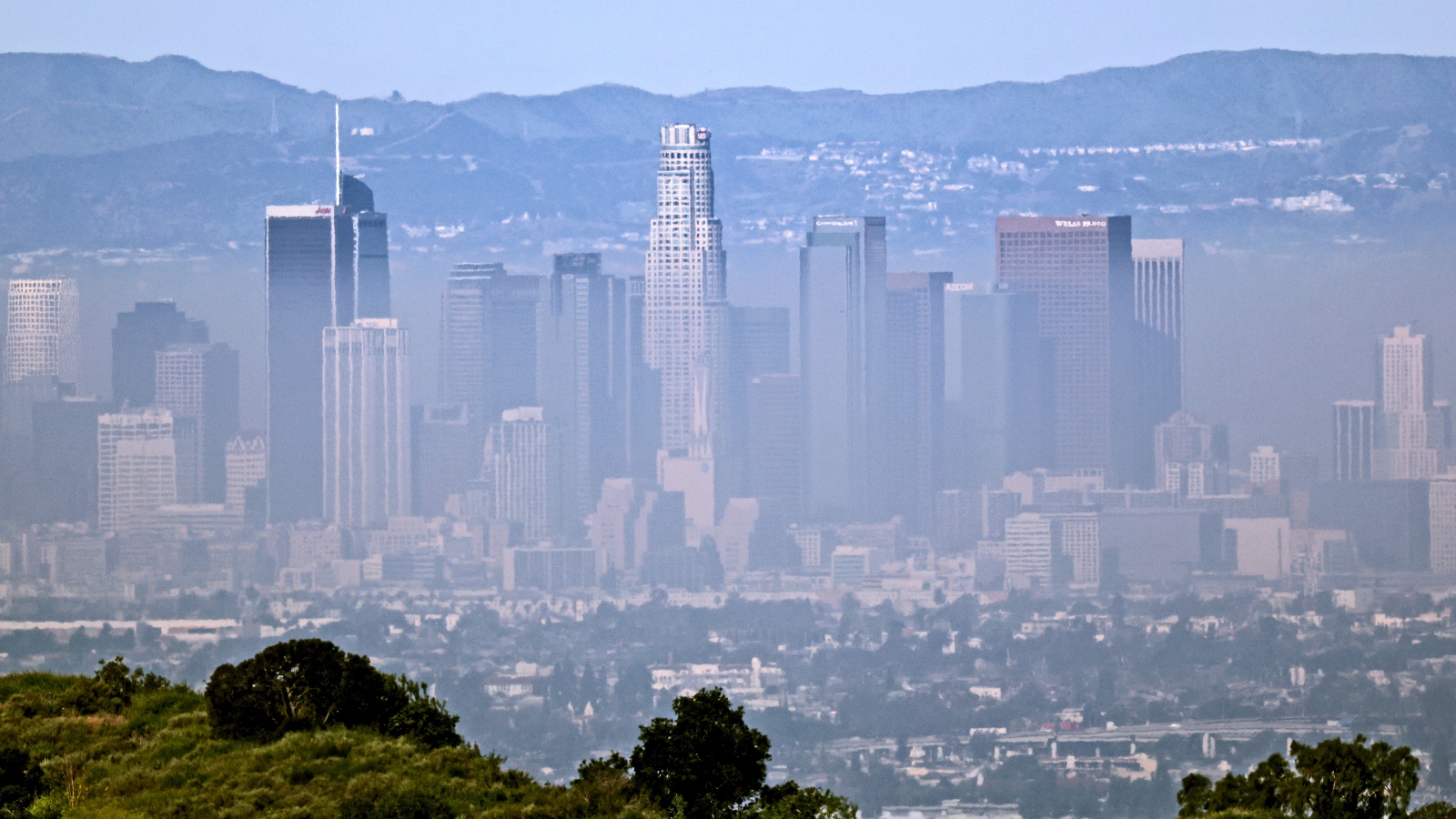
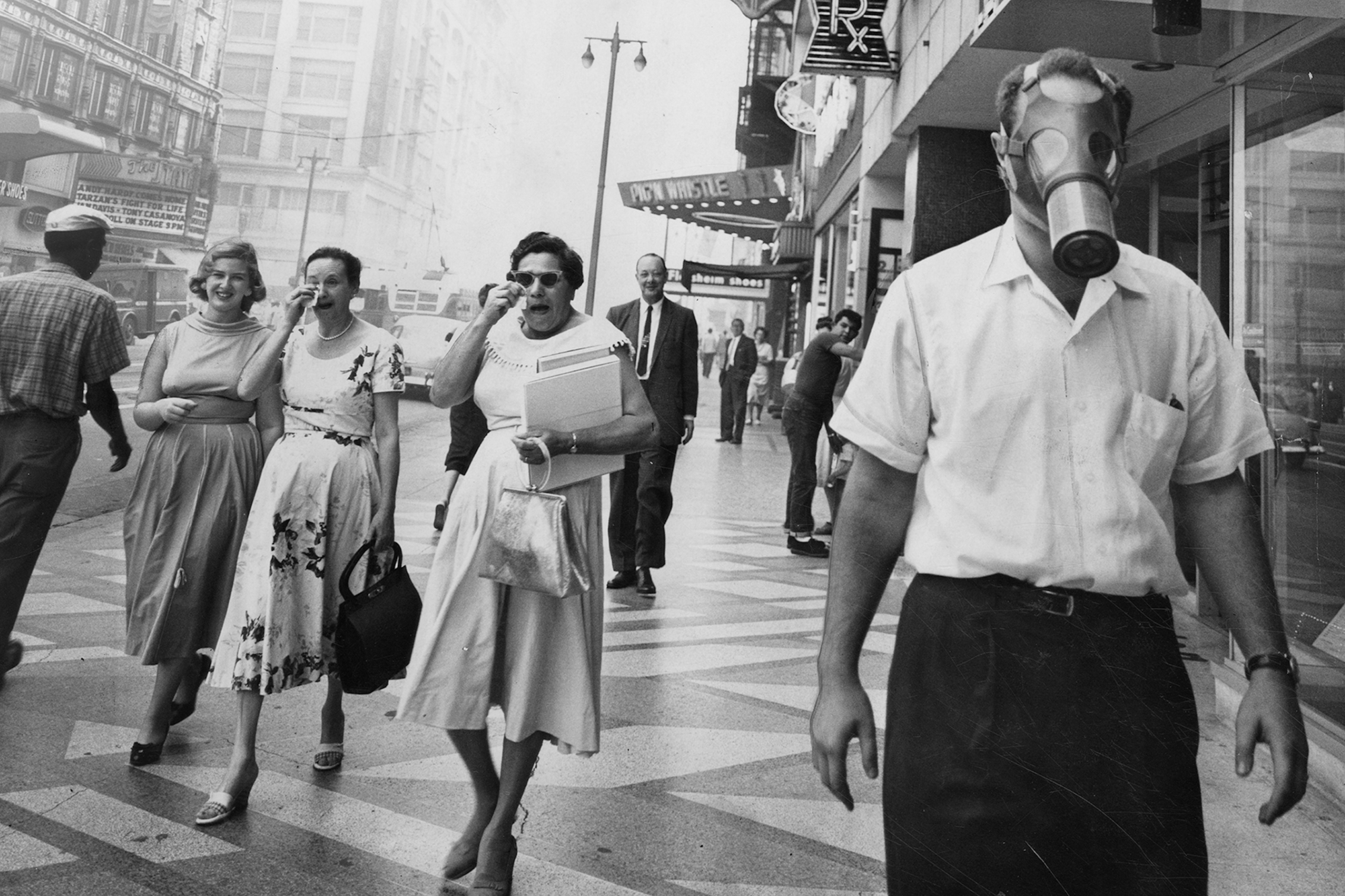
- Los Angeles has not experienced a stage 1 smog alert since 2003 and has avoided stage 3 ozone alerts for many years, a stark contrast to nine hazardous alerts in 1970.
- Catalytic converters installed in the late 1970s are identified as the principal technology that slashed vehicle emissions and drove the dramatic air‑quality improvement.
- Arie Haagen‑Smit demonstrated that sunlight reacting with hydrocarbons from tailpipe exhaust creates ozone, a discovery that underpinned modern smog‑control strategies.
- Riverside county, along with neighboring San Bernardino, remains out of compliance with federal ozone standards, making Los Angeles the most out‑of‑compliance city for ozone in the United States.
- Wilmington neighborhoods, predominantly Latino, suffer disproportionate exposure to pollutants from ports, oil refineries, and warehouse truck traffic.
- Lead exposure among Los Angeles children in the 1970s was over 1,000 % higher than in Flint, Michigan, due to leaded‑gasoline exhaust.
- Oil companies hired a scientist to challenge Haagen‑Smit’s findings and then buried the resulting report, attempting to undermine the scientific basis for smog regulation.
Why it matters: The cleaner skies benefit all Angelenos by reducing respiratory risks, but continued ozone non‑compliance and concentrated pollution in Latino‑majority areas like Wilmington mean that vulnerable residents still bear health burdens, while regulators must tighten enforcement to close the compliance gap.
Ask SkimNews