Ukraine Strikes Wildberries Hub 1,700km Inside Russia

Get the Geopolitics newsletter
Daily geopolitics — wars, elections, sanctions, the diplomatic moves that move markets. Free.
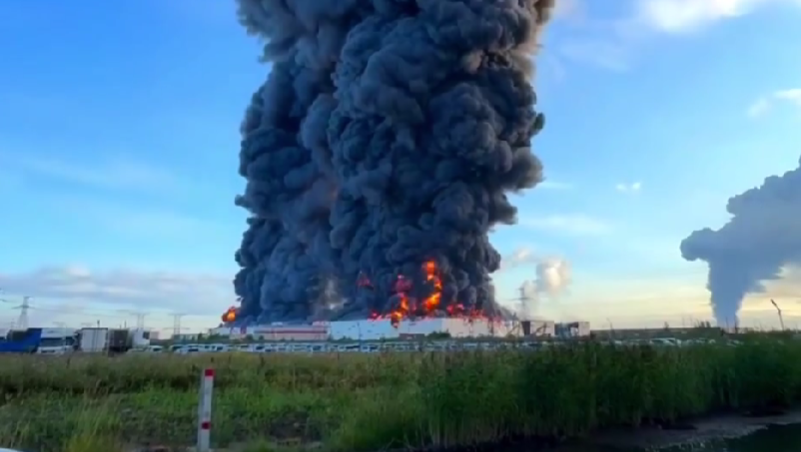
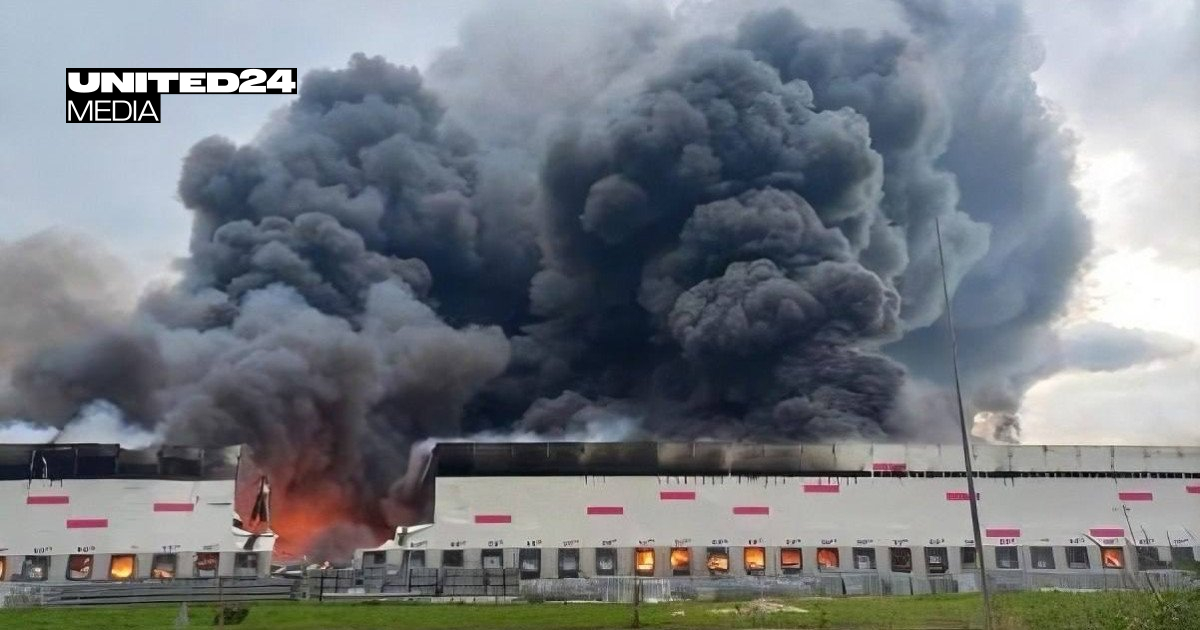
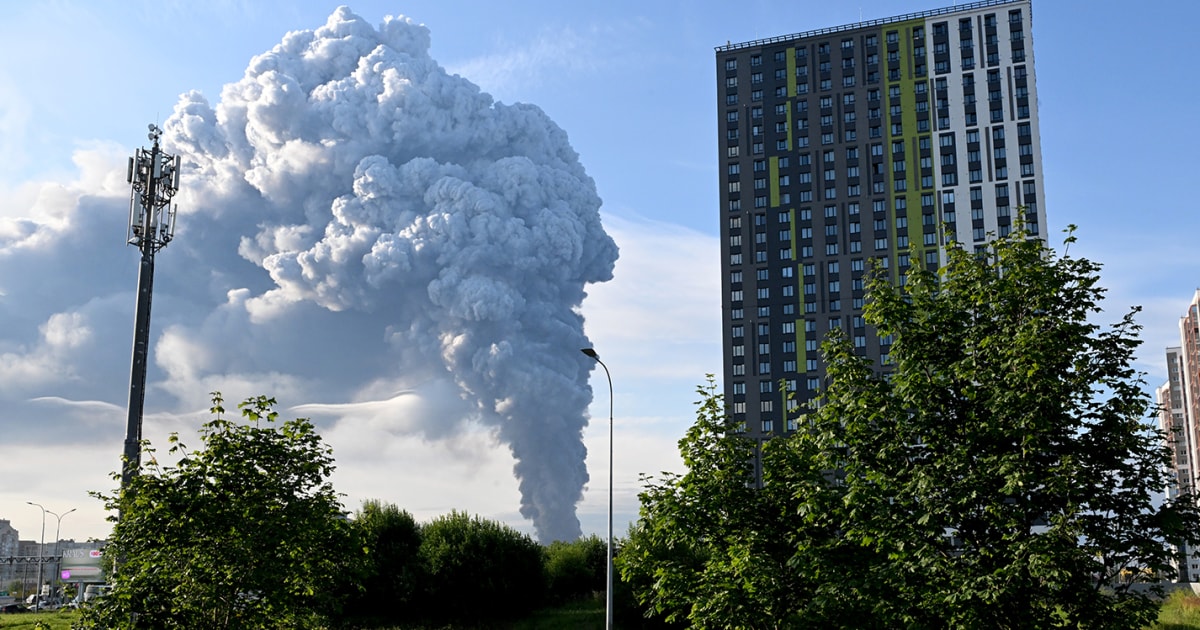
- Ukrainian Liutyi drones struck a 158,000-square-metre Wildberries logistics hub in Yekaterinburg on August 7, hitting Russia's 'Amazon' at a record 1,700 km from the border — roughly Dublin-to-Budapest distance — with three confirmed direct hits.
- Wildberries has lost 21 warehouses totaling 1.2 to 1.5 million square metres (17-22% of capacity) as of August 5, per Deutsche Welle, with the independent Russian outlet The Bell estimating direct damage above 100bn roubles (€1bn) and potentially reaching 200bn roubles (€2.1bn).
- Russian sellers lost an estimated €2.3bn to €3bn in goods during the first days of attacks alone, with Deutsche Welle reporting compensation levels so low that sellers face bankruptcy and are migrating to competitor Ozon, which Ukrainians have not yet targeted.
- Wildberries' business model is structurally threatened because it collects customer payments immediately but transfers funds to sellers later, using the float as working capital — a system that collapses if turnover falls, and The Bell reports revenues have already dropped roughly a quarter.
- Mykhailo Podolyak, adviser to Ukraine's president, said the strikes target a company with 6.1 trillion roubles (€64bn) in turnover that owes 1.3 trillion roubles to Russian banks, aiming to trigger a chain reaction hitting hundreds of thousands of sellers who 'would not normally be interested in politics.'
- The Russian state may be forced to bail out Wildberries via a preferential budget loan, but Russia's deficit in the first half of 2026 already reached 1.5 times the full-year budgeted amount, meaning a 200bn-rouble rescue would add 0.1% to GDP and a larger bailout far more.
- Andrei Pivovarov, a Russian opposition politician freed from prison in 2024, initially dismissed the attacks' significance but reversed course after reading The Bell's analysis, writing that the strikes now appear to target 'one of the key elements of the economic model on which the Russian economy currently rests.'
- Russia has approved the Euro-2 emissions standard for vehicles following Ukrainian drone attacks on its oil refineries, reflecting how the Kremlin is scrambling to keep gasoline supplies flowing as it now imports refined fuel from Belarus, Morocco, India and South Korea.
Why it matters: Wildberries' €64bn turnover makes it one of the last pillars of Russian consumer spending still standing, and with 1.3 trillion roubles in bank debt, a collapse could force Moscow to choose between ballooning an already 1.5x-over-budget deficit or letting hundreds of thousands of small sellers — and the banks exposed to them — go under.