North Korea denounces UK sanctions on children’s camp
SkimNews Take
The UK's targeted sanctions on a children's camp, rather than broader economic measures, suggest an effort to isolate a specific alleged human rights violation without escalating wider geopolitical tensions with North Korea.
Get the Geopolitics newsletter
Daily geopolitics — wars, elections, sanctions, the diplomatic moves that move markets. Free.
- United Kingdom imposed asset‑freeze sanctions on Songdowon International Children’s Camp on May 11 2026, accusing it of supporting Russia’s forced‑deportation and re‑education program for Ukrainian children and of undermining Ukraine’s territorial integrity.
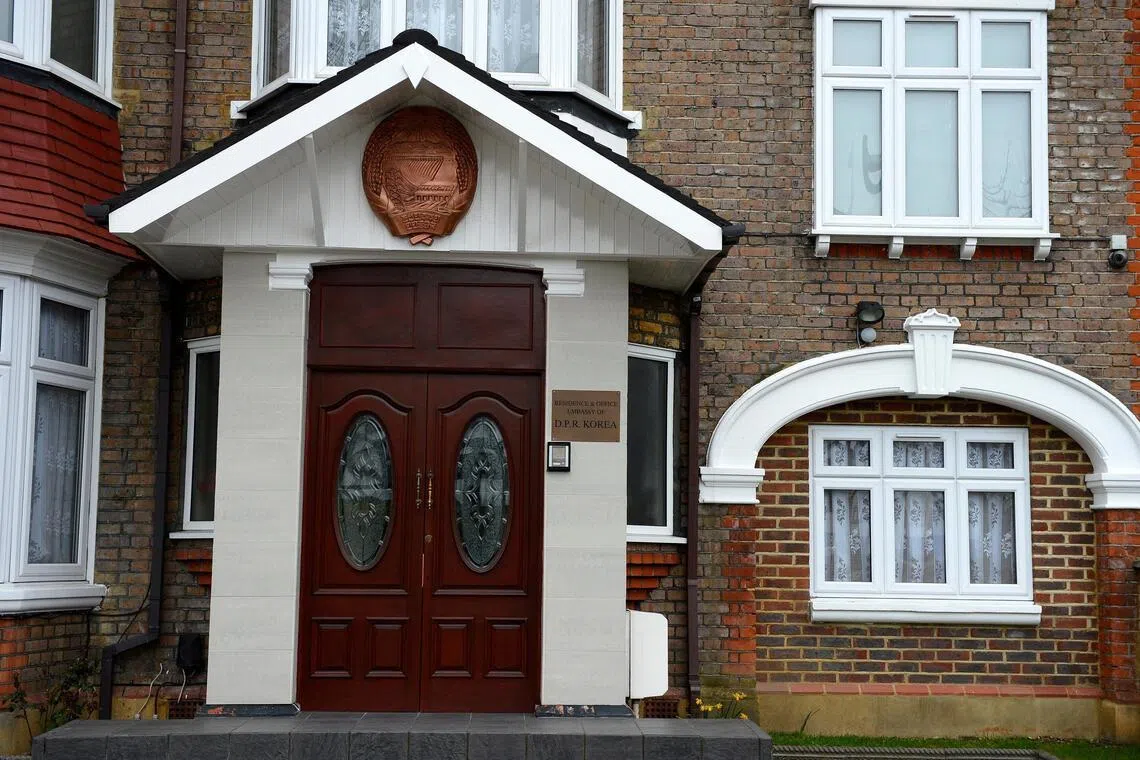
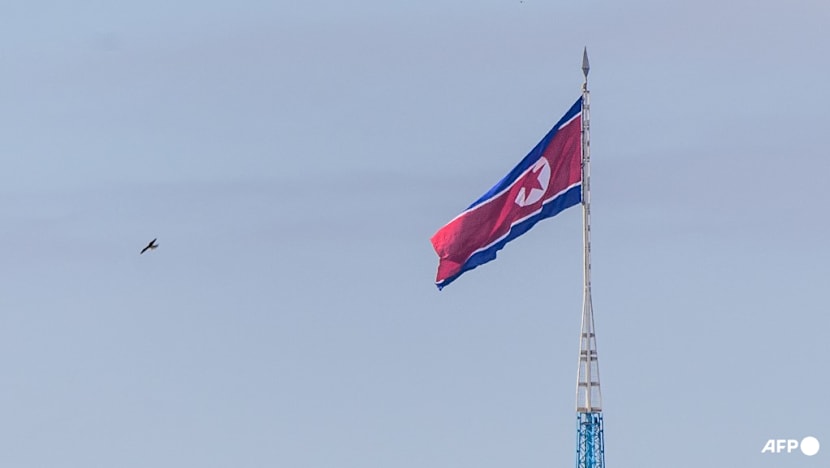
- North Korea via its state news agency KCNA on May 15 2026 condemned the sanctions as a “conspiratorial move to demonise Russia” and an “intolerable insult” to Pyongyang, calling the action a politically‑motivated provocation.
- Regional Centre for Human Rights reported in 2025 that two Ukrainian children, 12‑year‑old Misha and 16‑year‑old Liza, were sent to the Songdowon camp where they were taught to “destroy Japanese militarists” and met veterans who attacked a U.S. Navy ship in 1968.
- Songdowon International Children’s Camp, opened in 1960 near Wonsan, can accommodate up to 1,200 students and hosts roughly 400 foreign visitors annually from Russia, China, Thailand, Mongolia and Mexico, according to Koryo Tours.
- Ukrainian government portal records that since the 2022 invasion, 2,318 Ukrainian children remain missing, 20,570 have been deported or forcibly displaced, and 704 have been killed.
Why it matters: The sanctions cut off funding for a camp that can host 1,200 foreign children, weakening North Korea’s outreach and signaling stricter enforcement of Ukraine‑related sanctions, while boosting the UK’s credibility on human‑rights enforcement.
Ask SkimNews