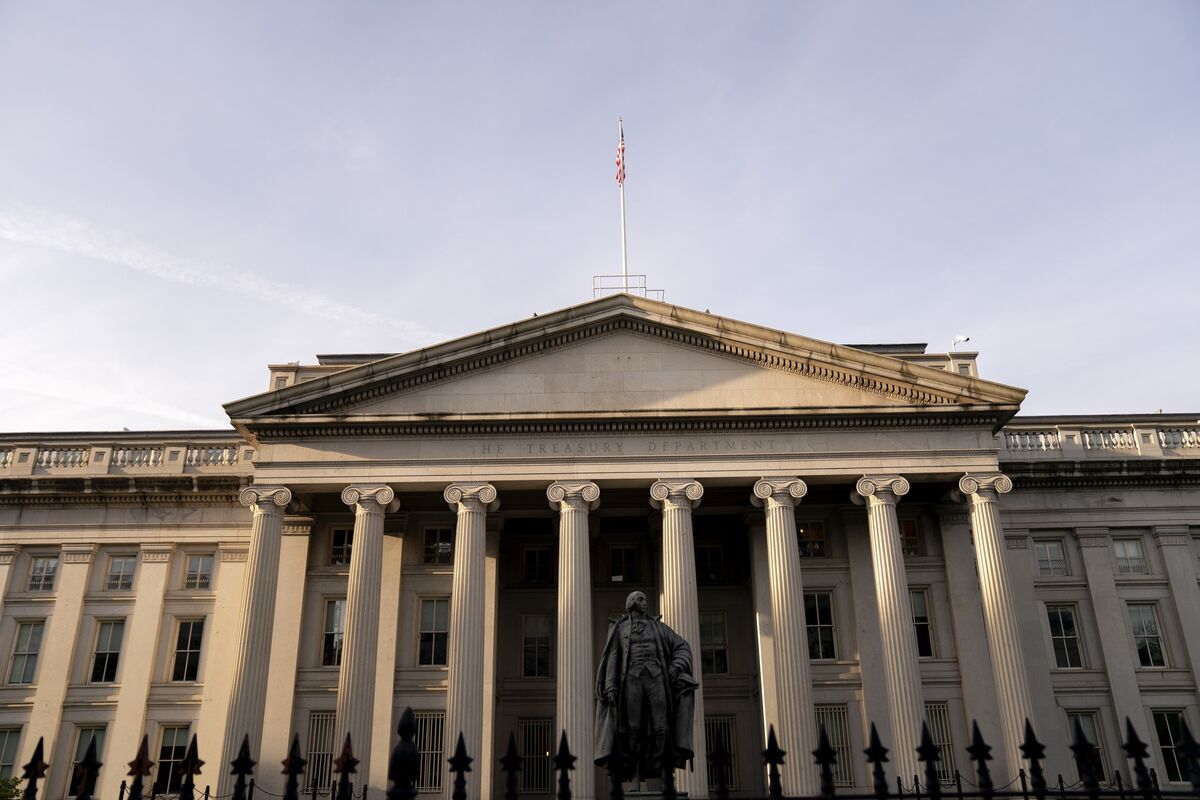
Bessent moves to curb Treasury yields, putting new pressure on Warsh's Fed

Get the Geopolitics newsletter
Daily geopolitics — wars, elections, sanctions, the diplomatic moves that move markets. Free.
- Treasury Secretary Scott Bessent announced the Treasury Department would increase buybacks of long-term debt from $2 billion to at least $4 billion, stemming a sell-off that had pushed the 10-year yield to 4.74% and 30-year mortgage rates to roughly 6.75%.
- The 10-year yield fell as low as 4.63% after the buyback announcement and finished the day at 4.65%, while the dollar dropped nearly 0.8% against a basket of currencies.
- Treasury is expected to fund the buybacks by issuing more short-term T-bills rather than long-term debt; T-bills currently make up 22.2% of outstanding debt, above the roughly 20% ceiling recommended by the apolitical Treasury Borrowing Advisory Committee.
- Bessent in 2024 criticized predecessor Janet Yellen for adopting the same short-term debt policy, describing it as putting a thumb on the scale of markets to keep down the costs of overspending.
- Fed Chairman Kevin Warsh has expressed concern about inflation above the 2% target for more than five years without raising rates, and will address markets at next week's Jackson Hole gathering, where he faces pressure to align Fed policy with Treasury objectives.
- The federal government has made $963 billion in net interest payments in the first 10 months of fiscal year 2026, with debt payments accounting for about 15% of fiscal spending on a $2.1 trillion projected deficit.
- TBAC cautioned in July 2025 that buybacks should fix market liquidity issues but not change the debt profile, warning that issuance — not buybacks — should be the primary tool for managing maturities.
Why it matters: Bessent's intervention amplifies pressure on the independent Fed to align with administration fiscal objectives at a time when the $2.1 trillion deficit and $963 billion in net interest payments already this fiscal year make government borrowing costs acutely sensitive to interest-rate moves. Issuing more short-term T-bills to fund the buybacks could backfire if the Fed raises rates, rapidly accelerating debt service costs and the very crowding-out Bessent is trying to prevent.
Ask SkimNews