India’s Modi says armed Maoists are fading, but warns threat remains from ideological supporters
Get the Geopolitics newsletter
Daily geopolitics — wars, elections, sanctions, the diplomatic moves that move markets. Free.
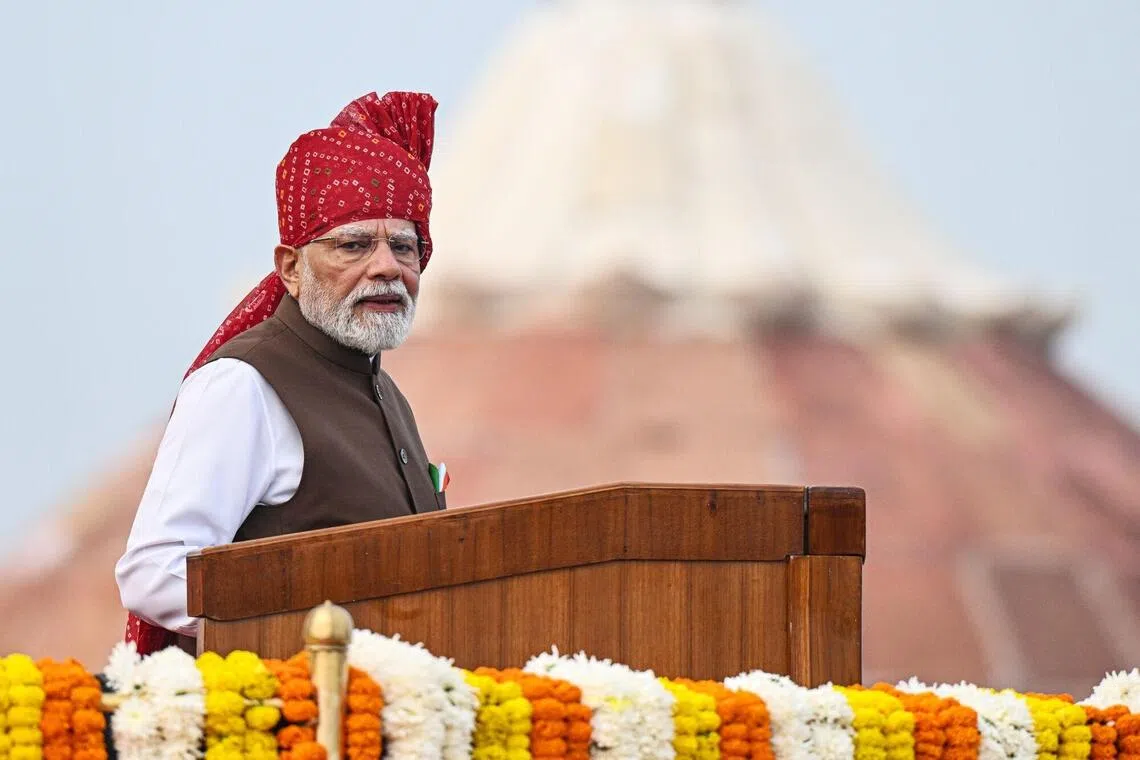
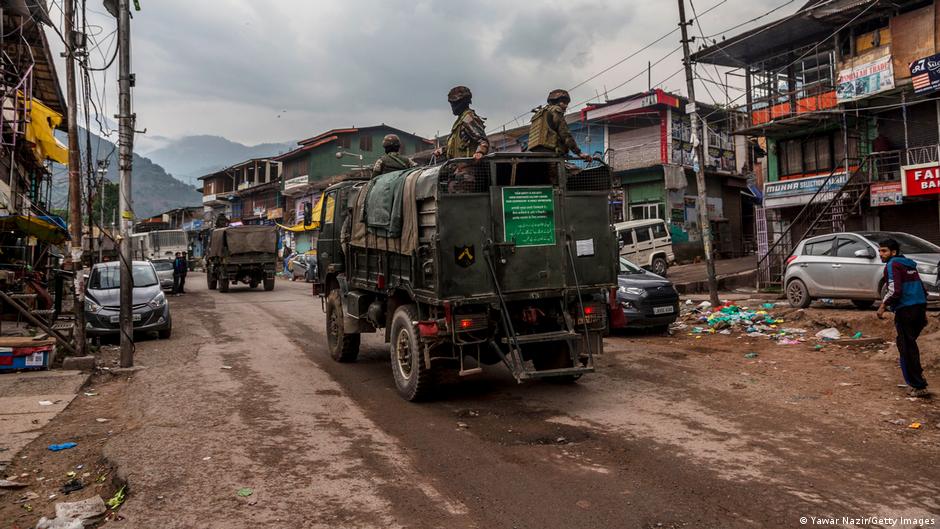
- Narendra Modi, speaking from New Delhi's Red Fort on India's 79th Independence Day, declared the Maoist insurgency—once called India's biggest internal security threat—was "breathing its last" after years of security operations since his 2014 tenure.
- Modi warned of "dimagi Naxals" (intellectual Naxals) who align with the movement's ideology and seek to "create violence and unrest," calling for them to be "identified and isolated"—language that echoes the BJP's earlier "urban Naxal" label for activists, academics, and critics.
- The Naxalite movement, inspired by Mao Zedong and launched in 1967 in the village of Naxalbari, grew into an armed rebellion championing landless farmers and Indigenous communities across central and eastern India, leaving thousands of civilians, rebels, and security personnel dead.
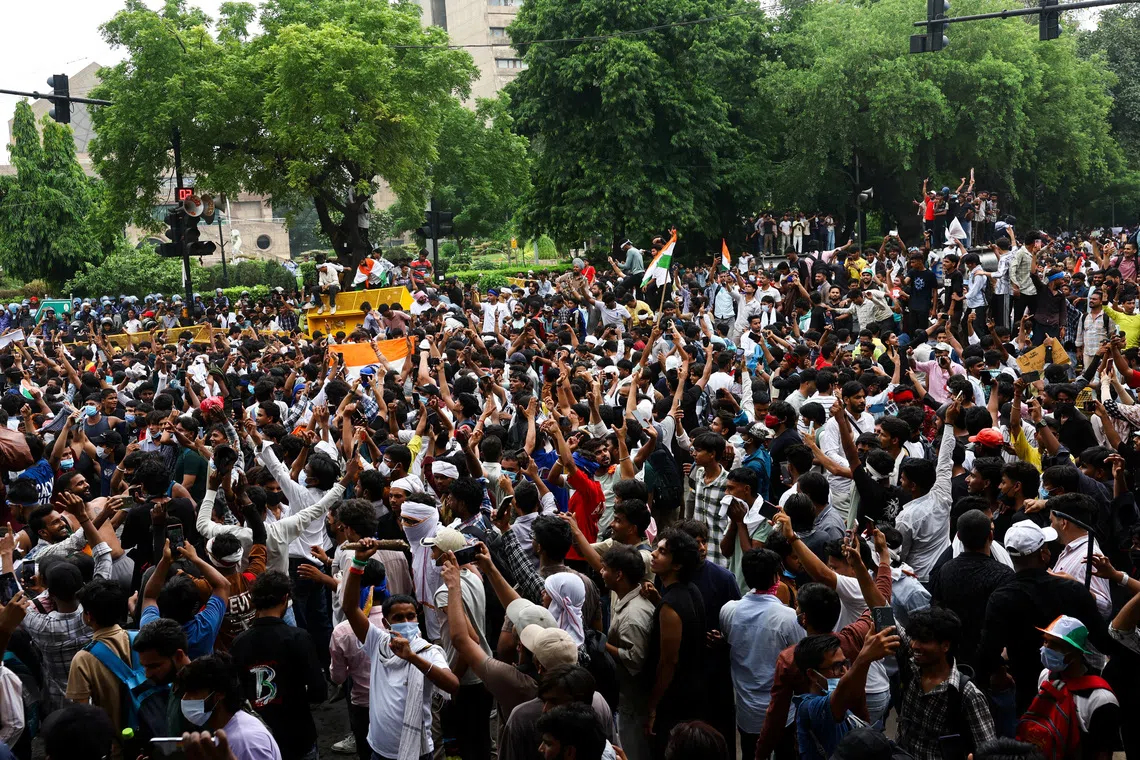
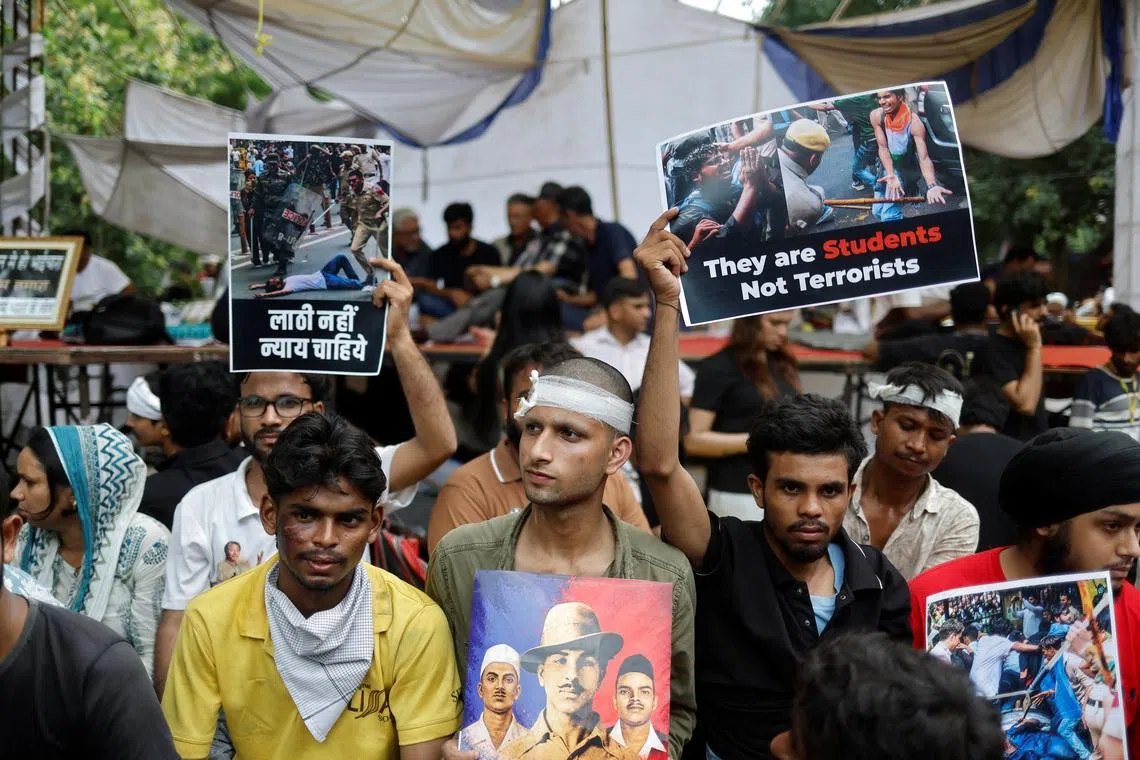
- Modi unveiled youth-focused initiatives including AI skills training and free online coaching for competitive exams—measures that come weeks after the youth-led Cockroach Janta Party protests helped force the resignation of his education minister.
- Amnesty International and Human Rights Watch have accused Modi's government of using anti-terror laws, sedition provisions, and foreign-funding rules to target activists, journalists, and civil society groups critical of its policies.
- Modi reaffirmed his government's goal of turning India into a developed nation by 2047, the centenary of independence, and touted India's transformation into the world's fastest-growing major economy over the past decade.
Why it matters: Modi's "dimagi Naxals" framing shifts the target from jungle insurgents to civil society itself, giving his government rhetorical cover to go after academics, activists, and journalists. Amnesty International and Human Rights Watch have already accused the government of using anti-terror laws to squeeze dissent—suggesting the label will likely be applied to critics beyond the insurgency's remaining armed wing.
Ask SkimNews