China says US Cuba sanctions illegal, urges lift
SkimNews Take
Sanctions have become a proxy venue where U.S. domestic political pressures and great-power competition converge, which is why Beijing responds to hemispheric moves as if they were Indo-Pacific disputes.
Get the Geopolitics newsletter
Daily geopolitics — wars, elections, sanctions, the diplomatic moves that move markets. Free.
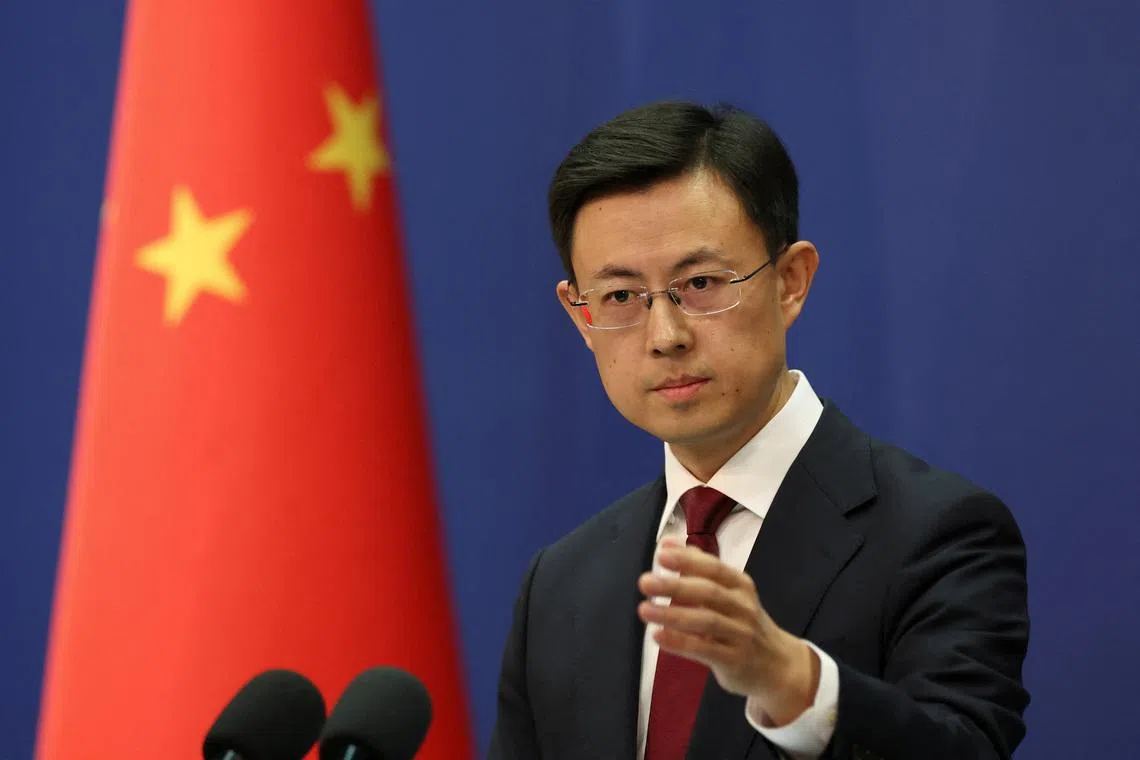
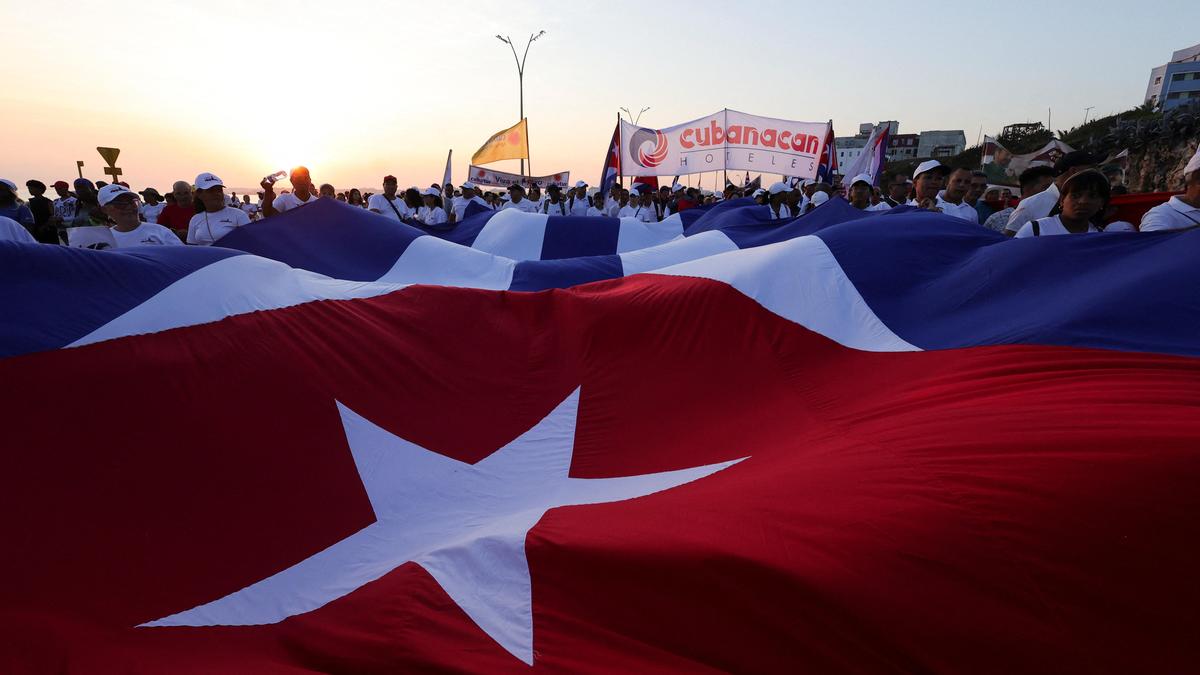
- China urged Washington to immediately end its embargo and sanctions on Cuba, calling the measures illegal and a violation of international norms.
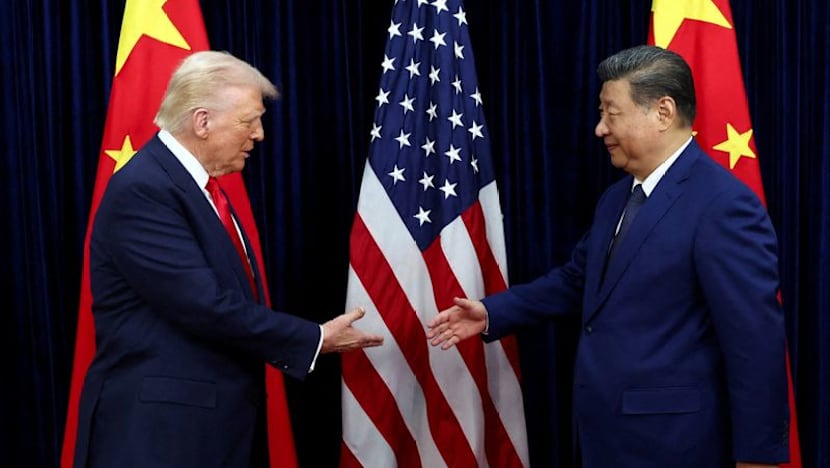
- Trump signed an executive order on May 1, 2026, broadening U.S. sanctions against the Cuban government.
- Beijing voiced support for Cuba after tensions rose in January when the United States captured Venezuelan leader Nicolas Maduro, a close ally of Cuba.
- Foreign ministry said the United States intensified illegal unilateral sanctions that seriously violate basic norms of international relations.
- China asserted that the sanctions violate the Cuban people's right to existence and development, and condemned any coercive pressure.
- China backed Cuba's efforts to safeguard national sovereignty and security and opposed interference in its internal affairs.
Why it matters: The U.S. diplomatic stance deepens a rift with China, which frames the sanctions as illegal and an infringement on Cuban sovereignty, potentially limiting U.S. leverage over Cuba and strengthening China's role as a defender of Cuban interests, and may affect future U.S.-China negotiations on other regional issues.
Ask SkimNews