Bangladesh hikes fuel prices 10-15% on West Asia war
Get the Geopolitics newsletter
Daily geopolitics — wars, elections, sanctions, the diplomatic moves that move markets. Free.
- Bangladesh's Energy Ministry raised retail fuel prices 10-15% on April 18, 2026, setting petrol at 135 taka ($1.10) per litre, up from 116 taka
- Diesel was priced at 115 taka and kerosene at 130 taka per litre under the new official notification
- Officials attributed the increase to surging crude prices, supply chain disruptions, and higher freight and insurance costs tied to the seven-week-old war on Iran
- Bangladesh's foreign exchange reserves are under pressure as the country relies heavily on imported fuel and has already sought more than $2 billion in external financing to secure energy imports
- The government initially cushioned consumers through subsidies, delayed price adjustments, and tighter stock controls, but officials said those measures could no longer be sustained
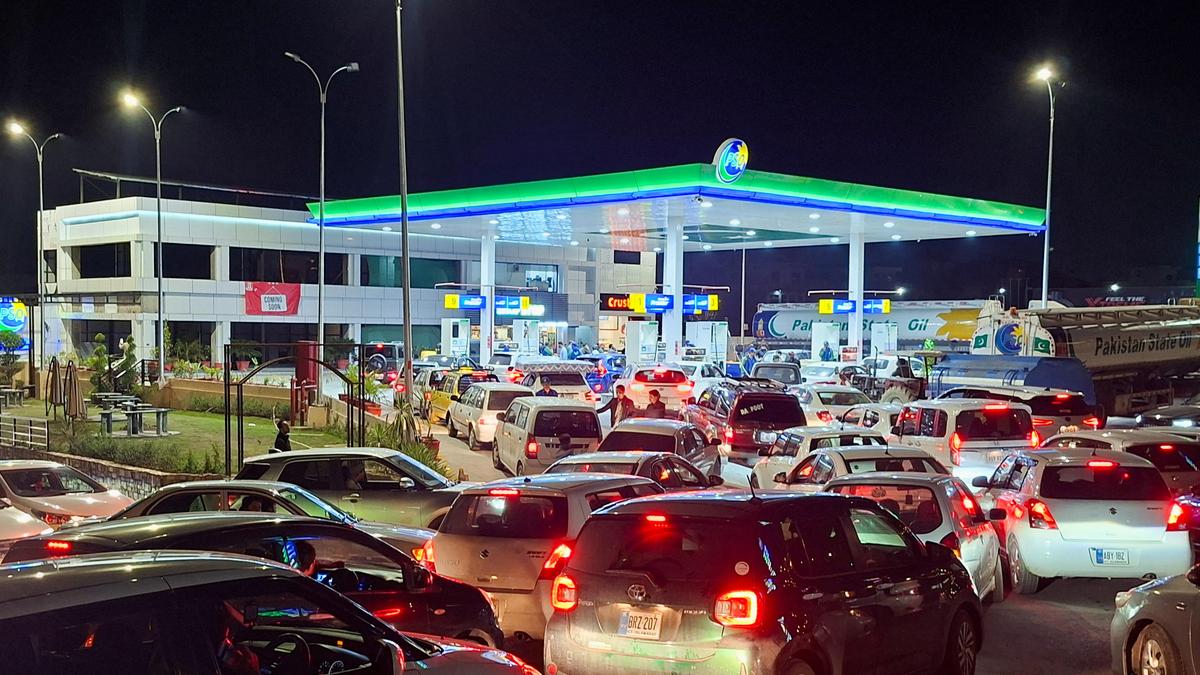
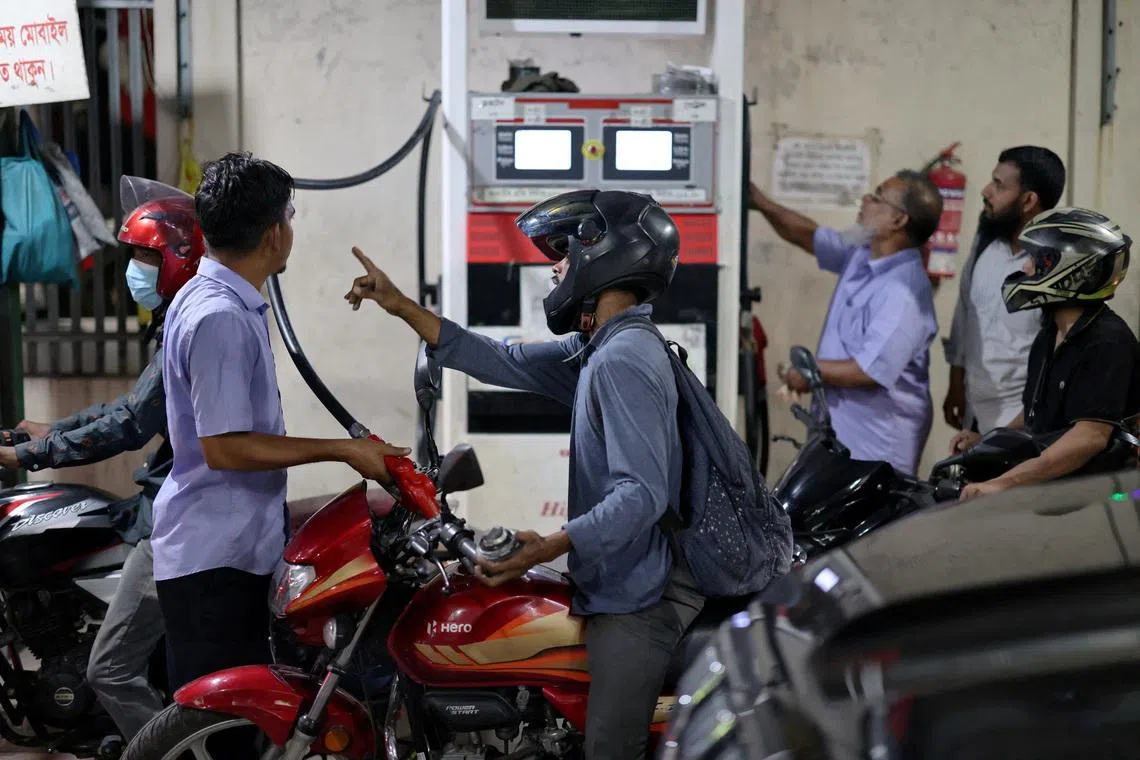
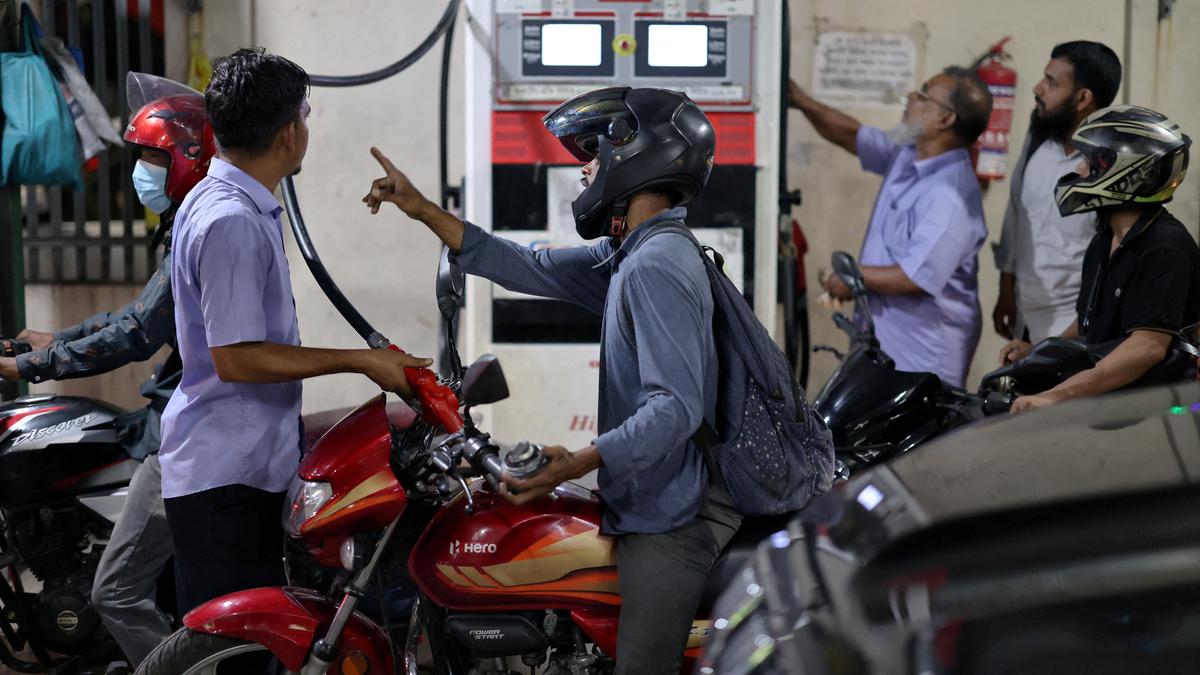
- Fuel shortages have produced long queues at filling stations, which officials blamed on panic-buying and hoarding
- The hike is expected to feed inflationary pressure in transport and agriculture — where diesel is widely used — potentially lifting food prices and overall living costs
Why it matters: Bangladesh depends almost entirely on imported fuel, and its foreign exchange reserves are already strained enough that Dhaka has sought over $2 billion in external financing just to cover energy imports. A 10-15% retail fuel hike flows directly into diesel-heavy sectors like transport and agriculture, raising food costs for consumers, while the government concedes that subsidies and supply controls have become unsustainable against the West Asia-driven crude surge.