Trump's 'Economic D-Day' Targets Iran's Trading Partners
Get the Geopolitics newsletter
Daily geopolitics — wars, elections, sanctions, the diplomatic moves that move markets. Free.
- Trump has vowed an "economic D-Day" threatening "tremendous" economic consequences for any country trading with Iran, roughly six months after pledging a swift victory as military and diplomatic paths narrow.
- Treasury Secretary Scott Bessent will unveil the sanctions mechanics on 24 August and told CNBC the US will target friend or foe: "You are either with us or against us," naming oil transfers and seaborne transfers as triggers.
- Vice-President JD Vance framed the campaign as a "new phase" of the conflict, claiming Iran has "felt a lot more pressure than we have" over the past two weeks.
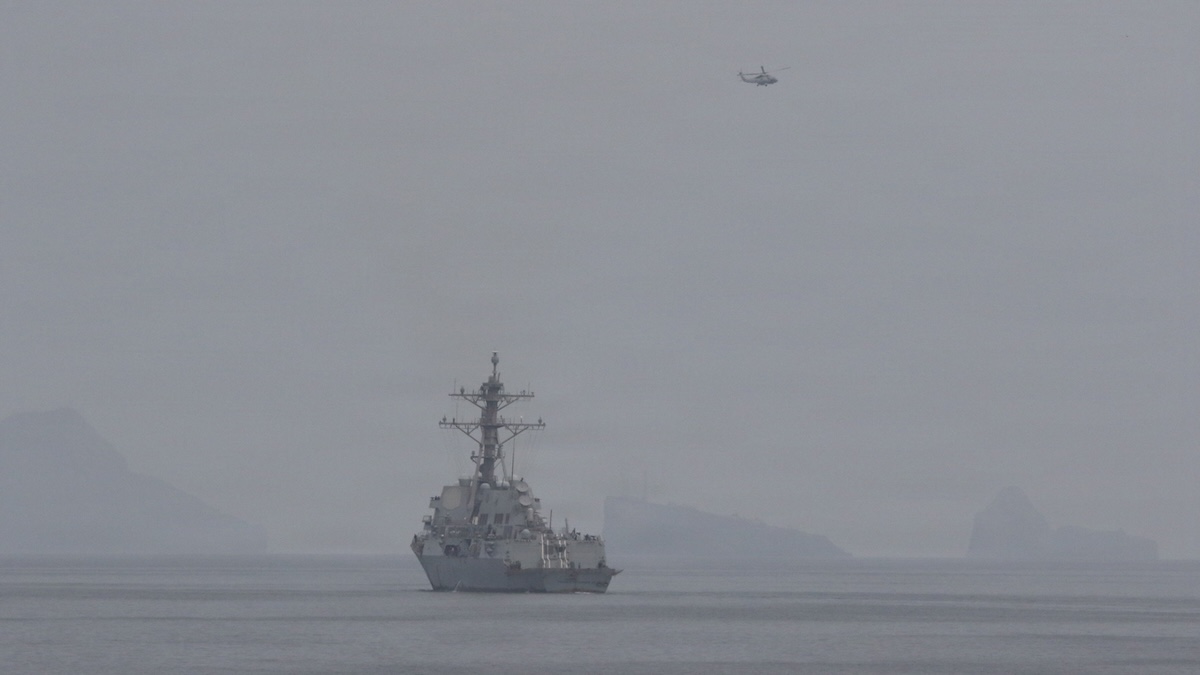
- The US is already running Operation Economic Fury, combining Treasury-coordinated sanctions on regime financial flows with a naval blockade against Iranian ports.
- Michael Parker, an eight-year veteran of OFAC, said the new strategy attempts to expand the "economic blast radius" by hitting third-country financial institutions tied to the US dollar — a lever he called "unexplored" and that has historically functioned mainly as a compliance threat.
- Iran has adapted for decades through shadow vessels and unlisted commercial fronts, per London Stock Exchange export control manager Mohammed Hammouda, leaving enforcers "playing catch-up" as new names "keep popping up."
- Atlantic Council's Imran Bayoumi questioned the calculus: "I can't really see China agreeing to that… I'm not sure this is going to change anything long term," calling the move a recognition that the US is "almost stuck" without a broader strategy.
Why it matters: The effectiveness of Trump's secondary sanctions hinges almost entirely on whether dollar-dependent economies — China explicitly, plus Turkey and Iraq — cut ties with Tehran. Iran's four-decade record of sanctions evasion via shadow shipping and front companies, flagged by Hammouda, means even full compliance may not choke the regime. Vance's admission that Iran has felt more pressure than the US underscores how close to a stalemate Washington has already arrived — making Bessent's 24 August reveal either a real escalation or another turn in an economic pressure campaign that has yet to deliver.
Ask SkimNews