US-Iran Talks in Pakistan Face Collapse — SkimNews
Get the Geopolitics newsletter
Daily geopolitics — wars, elections, sanctions, the diplomatic moves that move markets. Free.
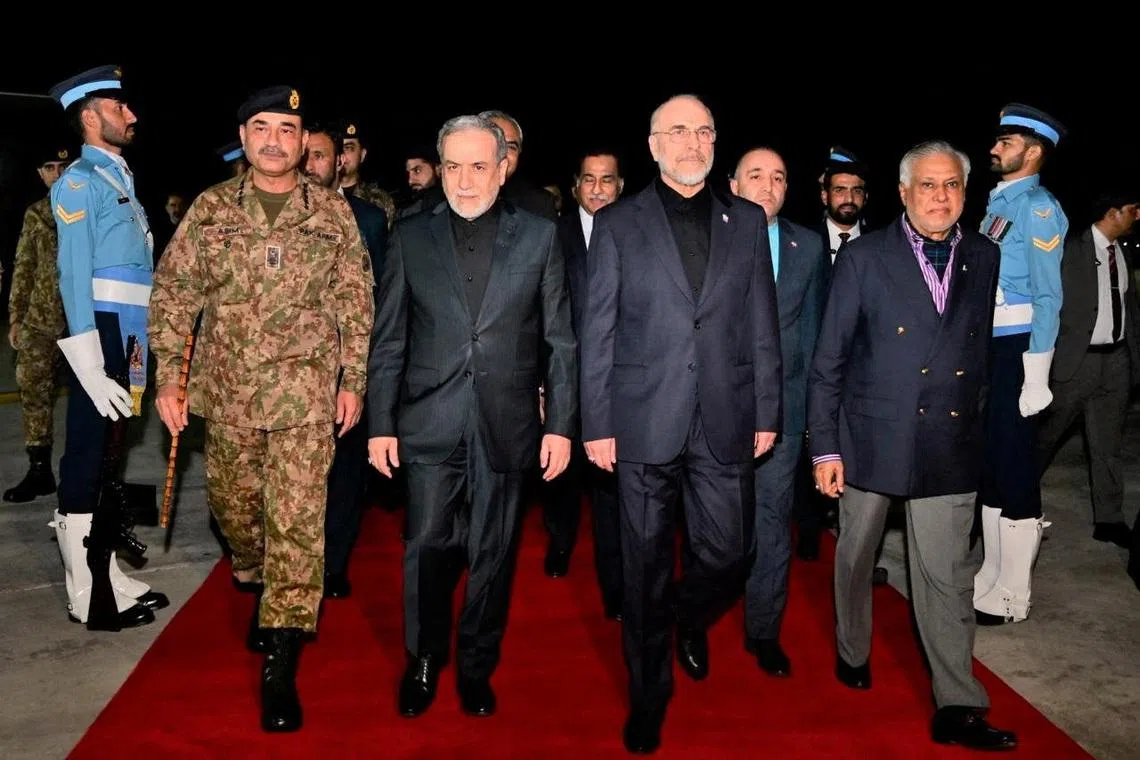
- U.S. and Iran hold direct talks in Islamabad on Saturday, the first since the war began February 28, to test whether the April 7 ceasefire can become durable.
- Pakistan brokers the talks and hosts the negotiations, positioning itself as a mediator amid regional tensions, with officials signaling ambitions to play a broader diplomatic role.
- Iran rejects the U.S. 15-point proposal as 'extremely greedy and unreasonable,' insisting negotiations cannot proceed under what it calls ultimatums and threats of war crimes.
- Israel continues bombing in Lebanon despite the ceasefire, calling the truce insufficient and signaling it will not accept any deal that fails to weaken Iran to the point of strategic irrelevance.
- Iran maintains its 10-point proposal includes full sanctions relief and retention of coordination authority over Hormuz, signaling it is negotiating from a position of strength, not desperation.
- U.S. Secretary of State Marco Rubio acknowledges America’s war entry was reactive to Israel’s decisions, revealing Washington lacks independent exit leverage despite holding material power.
- Iran’s leadership frames its war aim as regime survival with enrichment capacity intact, a lower bar than other actors’ demands, giving it greater endurance in negotiations.
Why it matters: The U.S. cannot exit the war on its own terms because Israel controls the political threshold for ending it, while Iran, facing existential domestic stakes, can outlast Western pressure. With 34% public approval for the war and rising oil prices, Washington’s urgency grows—but its leverage shrinks.
Ask SkimNews