Why ‘Widow’s Bay,’ Matthew Rhys and Breakout Kate O’Flynn Should Scare the Rest of the Emmy Comedy Field — SkimNews

Get the Culture newsletter
Daily culture — film, music, books, the trends and ideas worth your attention. Free.
- Apple TV+'s "Widow's Bay" is a horror comedy created by Katie Dippold ("Parks and Recreation," "Ghostbusters") that Variety projects for 10 nominations in its most recent Emmy update, blending Stephen King, "The Twilight Zone," and a "Get Out" streak with an absurdist sitcom tone.
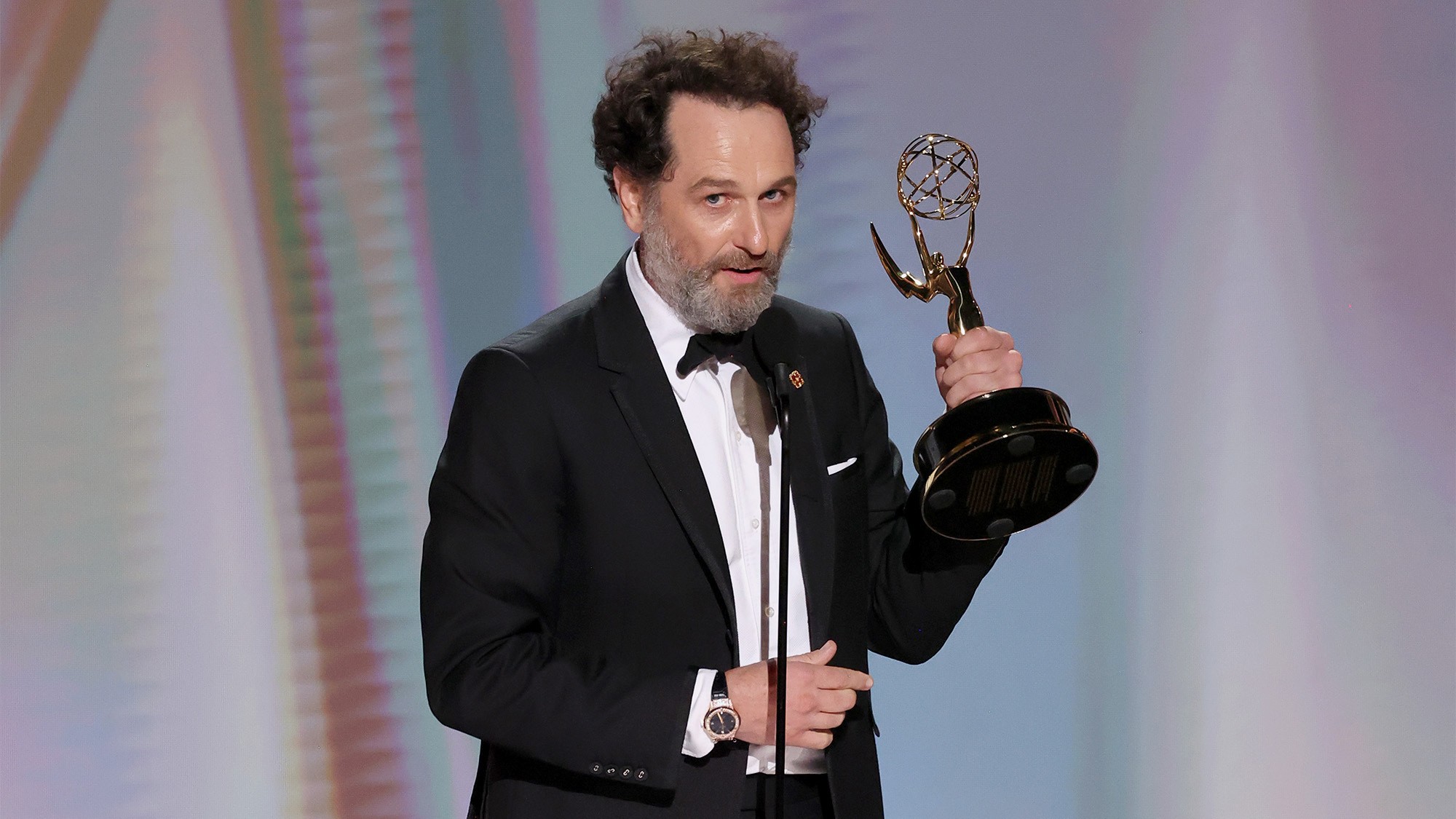
- Matthew Rhys anchors the series as Tom Loftis, a beleaguered mayor of a cursed New England island, and is simultaneously a lead actor Emmy contender for Netflix's limited series "The Beast in Me," where he's already earned Golden Globe and SAG Award nominations.
- Only 7 of the show's 10 episodes are eligible this cycle — the final three, including the buzzy season finale, missed the May 31 cutoff — which structurally disadvantages Stephen Root, whose strongest work as Wyck is in the ineligible back half.
- Kate O'Flynn is the breakout, playing socially awkward assistant Patricia in a performance the piece compares to Shelley Duvall in "The Shining," with two standout episodes — "Beach Reads" (episode 4) and "Your Baggage" (episode 8).
- Director Hiro Murai (Japanese-born, two-time comedy directing nominee for "Atlanta" episodes "Teddy Perkins" in 2018 and "New Jazz" in 2022) is positioned to win his first directing Emmy, with the piece noting no director of Asian descent has ever won the comedy directing category.
- Dippold's pilot script, "Welcome to Widow's Bay!," is a writing-category contender, drawing on a lineage in which the comedy writing Emmy has gone to a series' first episode 13 times, from "The Cosby Show" in 1985 to "Abbott Elementary" in 2022.
Why it matters: With last year's comedy winner "The Studio" absent and the drama side already conceding to "The Pitt" or "Pluribus," the comedy category is unusually open — and "Widow's Bay" stands to benefit from a less crowded field. But the May 31 eligibility cutoff structurally penalizes performers like Stephen Root, whose strongest episodes voters can never officially weigh, exposing how the calendar — not the quality of the season — shapes Emmy outcomes.
Ask SkimNews