Iran to Charge Hormuz Transit Fees, Give China Preferential Rates — SkimNews

Get the Geopolitics newsletter
Daily geopolitics — wars, elections, sanctions, the diplomatic moves that move markets. Free.
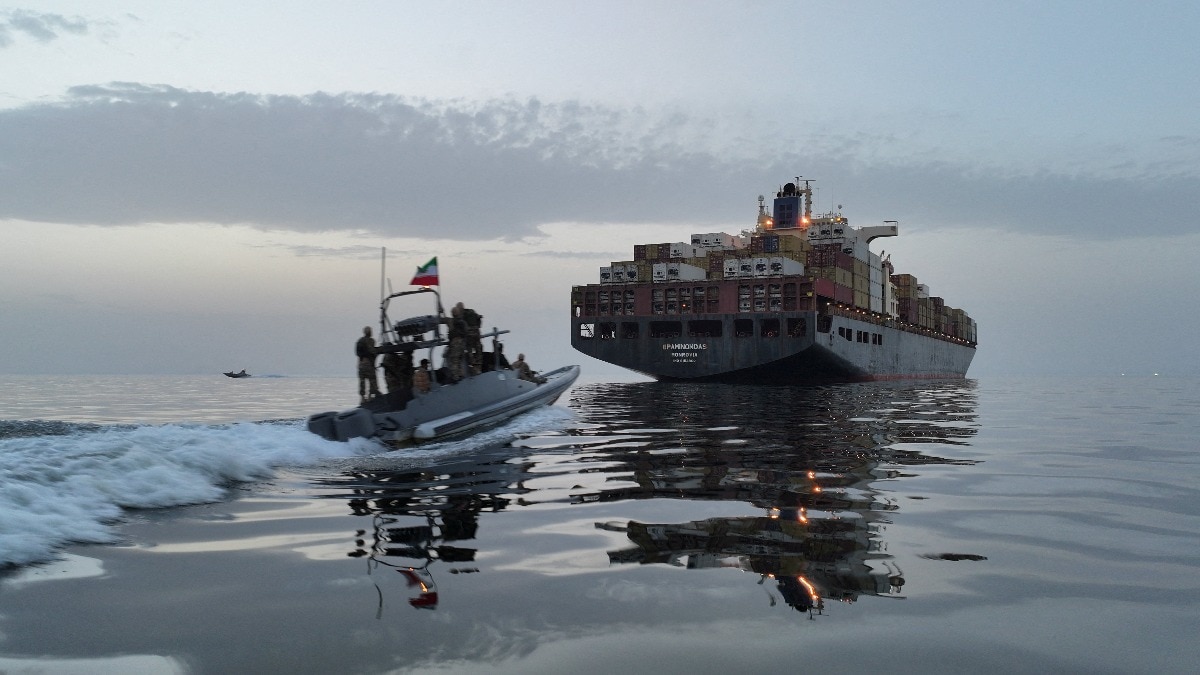
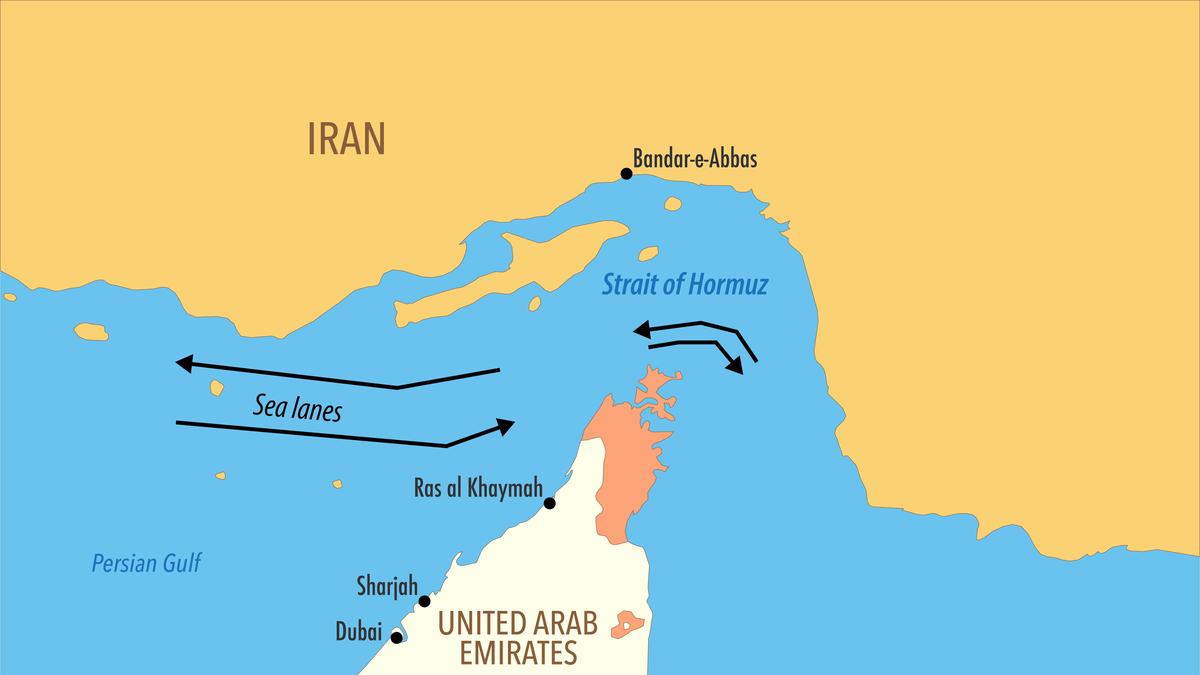
- Iran's ambassador to China Abdolreza Rahmani Fazli told the World Peace Forum in Beijing that Iran will charge 'service fees' for vessels transiting the Strait of Hormuz, explicitly granting 'special considerations' to China and other 'friendly' nations on the level and type of those fees.
- A 60-day free-transit deal between Iran and the US signed last month stipulated commercial ships would pass the waterway free of charge during that window, but no policy has been announced for what follows once it expires.
- The US has stated Iran will not be permitted to charge tolls or fees under any final permanent settlement, setting up a direct collision with Fazli's announcement.
- Fazli framed the charges as covering 'guaranteeing the security of passage,' 'supervision of the passage of vessels,' and 'environmental consequences of the massive number of ships,' insisting they are service fees rather than tolls.
- Iran and Oman have established a joint committee to manage the strategic waterway, with Fazli saying new arrangements are being developed 'in cooperation and partnership' with Muscat.
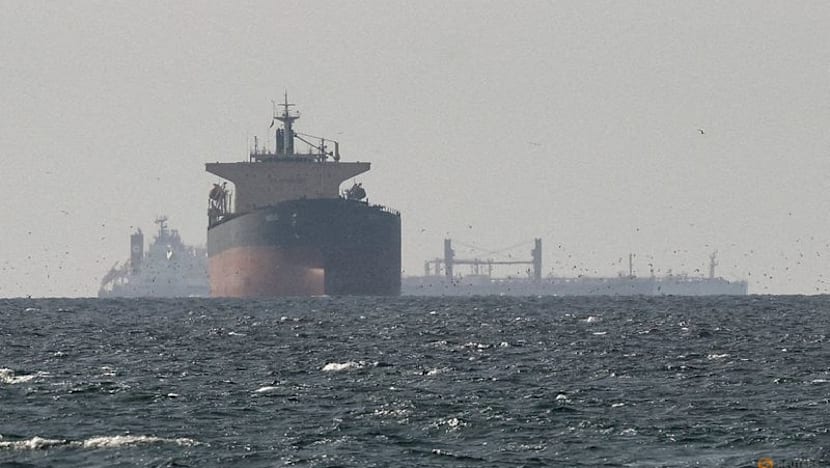
- The strait was effectively closed by Iran during the US-Israel war launched in late February, after which one-fifth of the world's crude oil and LNG normally transited the route; the US responded in April with a naval blockade on Iran's southern ports.
Why it matters: With the 60-day free-transit window approaching expiry and the US flatly rejecting any fees, Iran is using the pricing structure — preferential rates for Beijing and 'friendly' states — to build a coalition that legitimizes its unilateral control over a chokepoint carrying one-fifth of global crude oil and LNG.
Ask SkimNews