Warsh charms global central bankers at ECB Sintra forum — SkimNews

Get the Finance newsletter
Daily finance — markets, central banks, M&A, the prints that move money. Free.
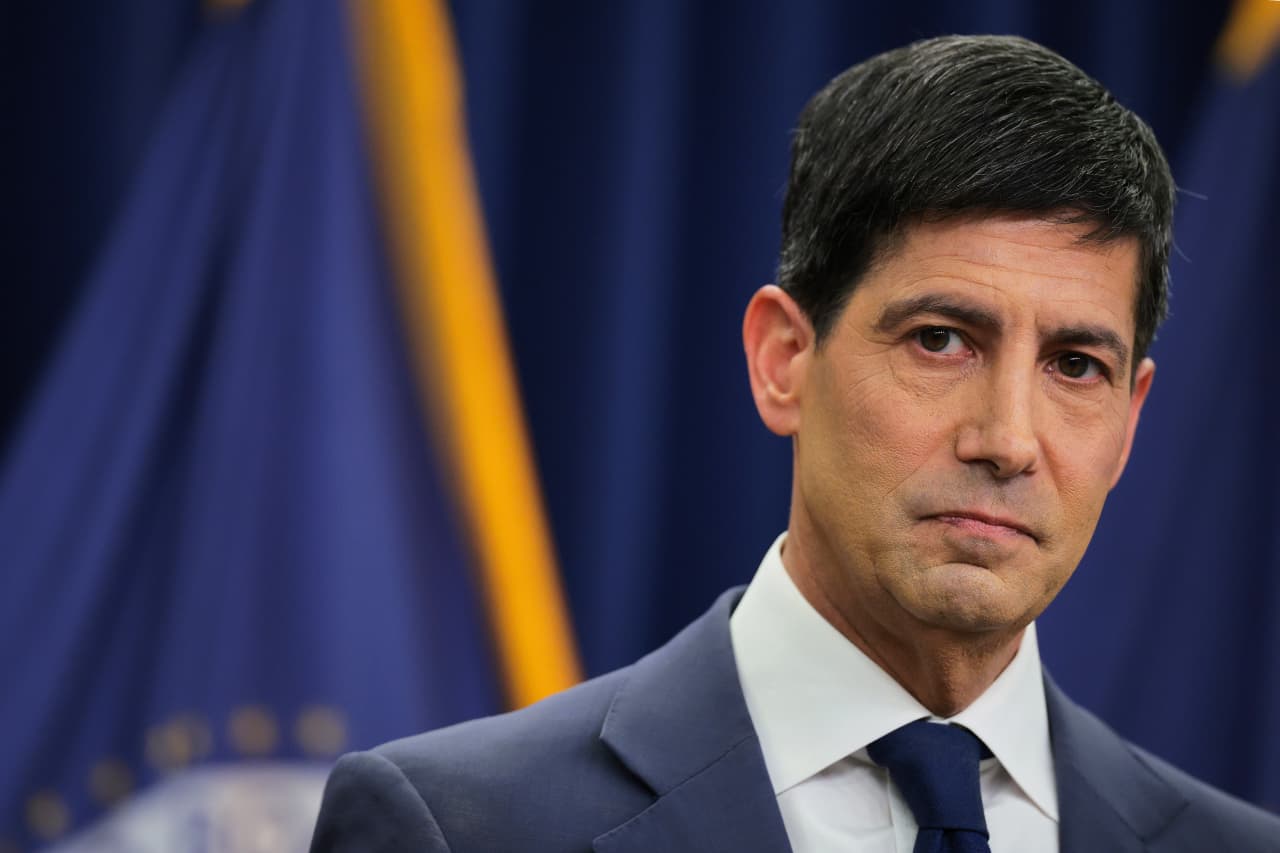
- Kevin Warsh attended the ECB's annual Sintra conference in Portugal over three days, holding private meetings with global counterparts including a lengthy lunch with ECB President Christine Lagarde, which participants read as a sign the Fed would stay engaged on the world stage.
- Christine Lagarde greeted the late-arriving Warsh with air kisses at the opening dinner and publicly voiced her desire to work closely with him; Warsh — fluent in French after studying there — chatted with French participants in their language and circulated well beyond the usual VIP circles.
- Warsh appeared on a panel alongside Lagarde, Bank of England Governor Andrew Bailey, and Bank of Canada Governor Tiff Macklem, telling the audience he was "honoured to be on stage with three colleagues" in a markedly collegial tone.
- Central bankers had privately worried a Fed led by a Trump appointee might be more susceptible to White House pressure on interest rates or less committed to international coordination, but Warsh used the gathering to underscore the Fed's independence, finding what he called shared "common calls."
- Participants detected common ground on simpler policy communication, with Warsh's skepticism toward forward guidance aligning with a "back to basics" conference theme — though Lagarde pushed a newly coined concept she dubbed "framework guidance" that Bank of Canada Governor Tiff Macklem later echoed.
- Several central bankers recognized Warsh from his prior stint as a Fed governor from 2006 to 2011 and his involvement in the Group of Thirty, though some cautioned it was too soon to judge how he would balance preserving his credibility against White House pressure.
- The Sintra conversations remained largely high-level, barely addressing inflation trends, shadow-banking risks, or international policy coordination, according to sources familiar with the discussions.
Why it matters: The Federal Reserve remains the ultimate provider of dollar liquidity in times of financial stress and the dominant voice in global monetary debates, meaning the relationships Warsh builds now with Lagarde, Bailey, and Macklem directly shape how smoothly central banks can coordinate when the next crisis hits. Several attendees had real concerns that a politically aligned Fed would pull back from those forums.
Ask SkimNews