Doctors failed to spot my hidden condition for so long I was left permanently disabled — SkimNews
Get the Health newsletter
Daily health & science — research, biotech, public health, the studies worth knowing. Free.
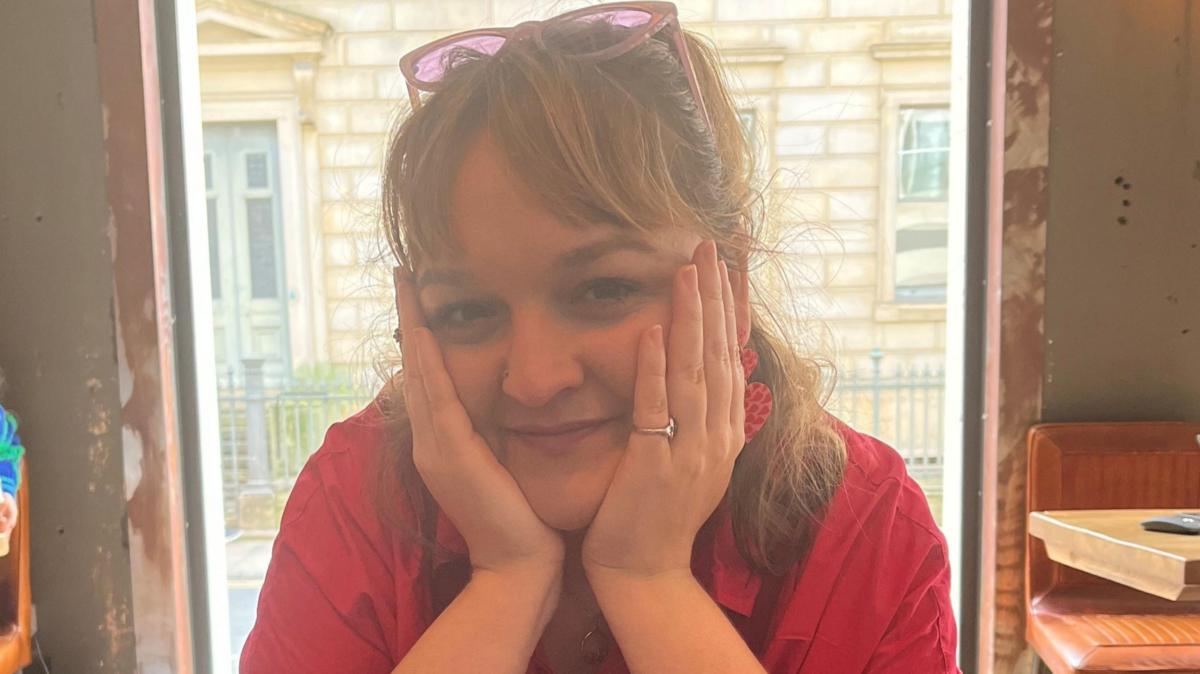
- Daneka Etchells first sought help at age 12 for heavy, painful periods and was prescribed the pill, but doctors failed to diagnose her endometriosis for 17 years — well above the average nine-year diagnostic delay — because the disease grew across nerves and ligaments in her legs, leaving her with permanent nerve damage and a lifelong mobility disability.
- Etchells, who is neurodivergent, told the BBC Access All podcast her experience was 'medical gaslighting,' and said she now has to 'medically gaslight myself to get through the day' on workdays when she can't take strong pain medication.
- Unable to wait for NHS treatment, Etchells raised money through savings, borrowing, and GoFundMe, then negotiated with a surgeon's secretary for private excision surgery, which she said made her feel 'lighter' — though the underlying nerve damage was irreversible.
- Etchells is currently performing in a disabled-led stage adaptation of The Secret Garden, whose reimagined ending has Colin advocate for himself and gain 'the necessary language to speak up' rather than being miraculously cured of his disability.
- Playwright Tom Wentworth, who is queer and disabled with cerebral palsy and says doctors routinely attribute new symptoms to his existing condition rather than investigating, wrote the new adaptation specifically to teach young people to recognize medical gaslighting and self-advocate, and has filed complaints with his local Patient Advice and Liaison Service (PALS).
- Healthwatch England interim director of policy William Pett said the experiences Etchells and Wentworth describe are 'common for conditions such as ADHD and endometriosis' and that young people, women, and LGBTQ individuals report being 'less likely to feel listened to' by clinicians; the organization is calling for NHS complaints-system reform.
- The Department of Health and Social Care said its renewed Women's Health Strategy recognizes medical gaslighting as 'a real barrier' and pointed to the NHS's recent rollout of Martha's Law, which lets patients and families request a rapid review when a condition is deteriorating.
Why it matters: Etchells' 17-year diagnostic odyssey — nearly double the average for endometriosis, which affects one in 10 women — illustrates a pattern Healthwatch England says disproportionately hits young, female, and LGBTQ patients, and it lands alongside a government pledge to treat medical gaslighting as 'a real barrier' in its Women's Health Strategy, plus the new Martha's Law giving patients a formal escalation route when conditions deteriorate.
Ask SkimNews