Scientists discover hidden gut signals that could detect cancer early
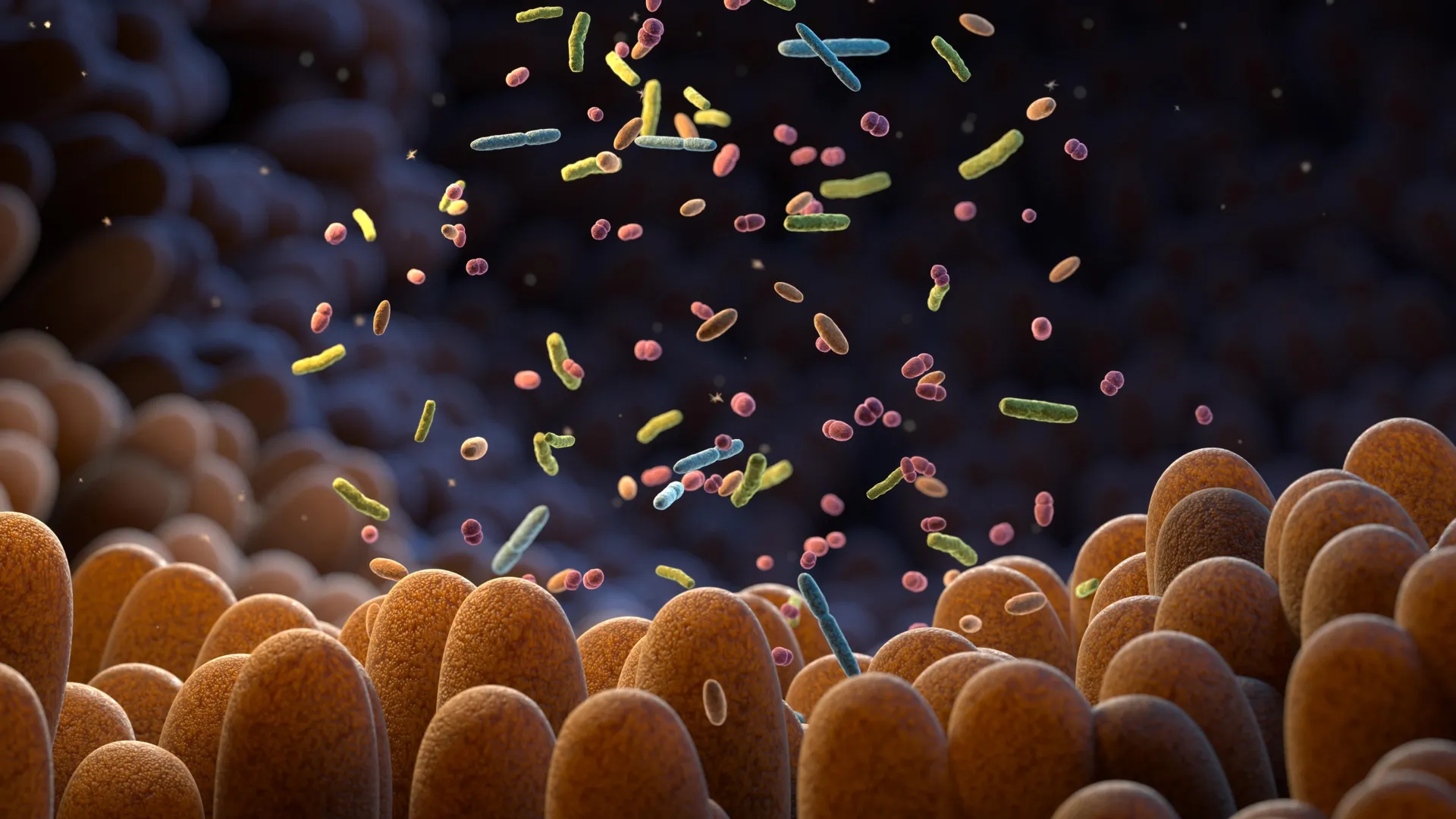
Why it matters: This discovery could enable earlier, less invasive diagnosis of gastric cancer, colorectal cancer, and inflammatory bowel disease by April 2026.
- University of Birmingham researchers, in collaboration with University Hospitals Birmingham NHS Foundation Trust, identified specific gut bacteria (e.g., Firmicutes, Bacteroidetes, Actinobacteria for GC; Fusobacterium, Enterococcus for CRC) and metabolites (e.g., dihydrouracil, taurine) as key biomarkers for early disease detection.
- Advanced machine learning and AI tools were crucial in analyzing microbiome and metabolome data, revealing that models trained on one gastrointestinal condition could often predict biomarkers for another, highlighting shared biological features.
- Dr. Animesh Acharjee from the University of Birmingham emphasizes that these findings offer a better understanding of disease progression and could lead to earlier, more accurate, and personalized treatments, moving beyond current invasive diagnostic methods like endoscopy and biopsies.
Scientists have uncovered hidden gut signals, including specific bacteria and metabolites, that could revolutionize early detection of gastrointestinal diseases like gastric cancer, colorectal cancer, and inflammatory bowel disease. Utilizing AI, researchers discovered significant overlaps in these biomarkers across different conditions, suggesting a deeper interconnectedness than previously understood and paving the way for less invasive diagnostic methods.


