U.S., China, and the search for stability — SkimNews
Get the Geopolitics newsletter
Daily geopolitics — wars, elections, sanctions, the diplomatic moves that move markets. Free.
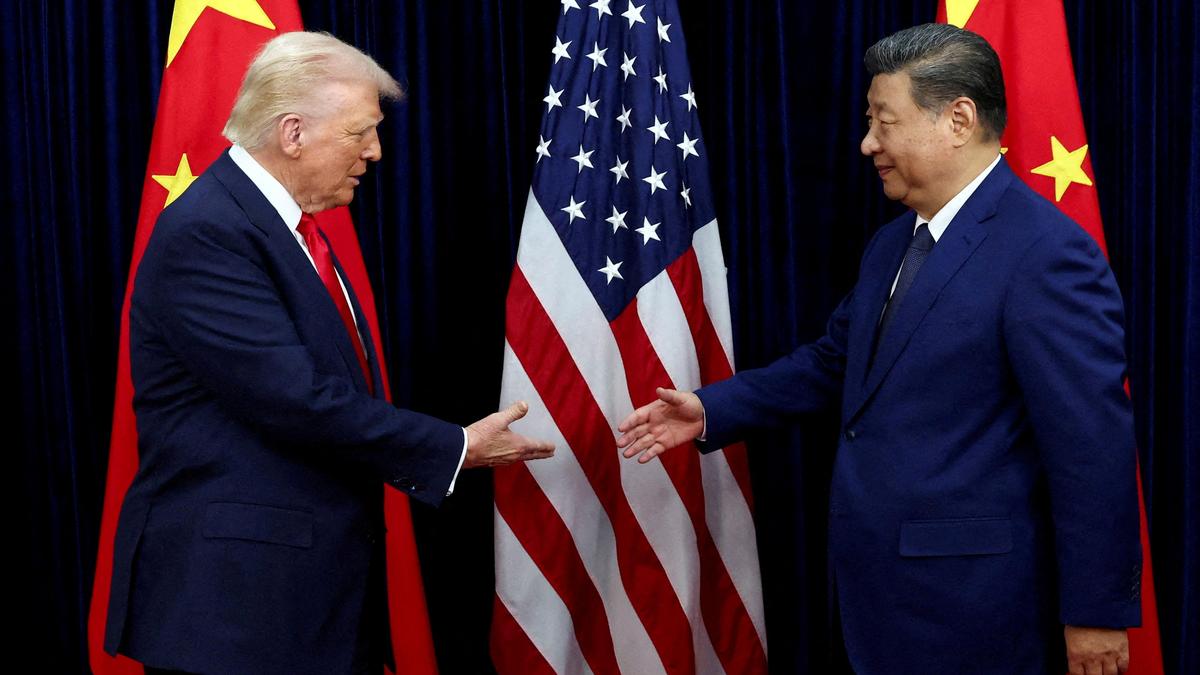
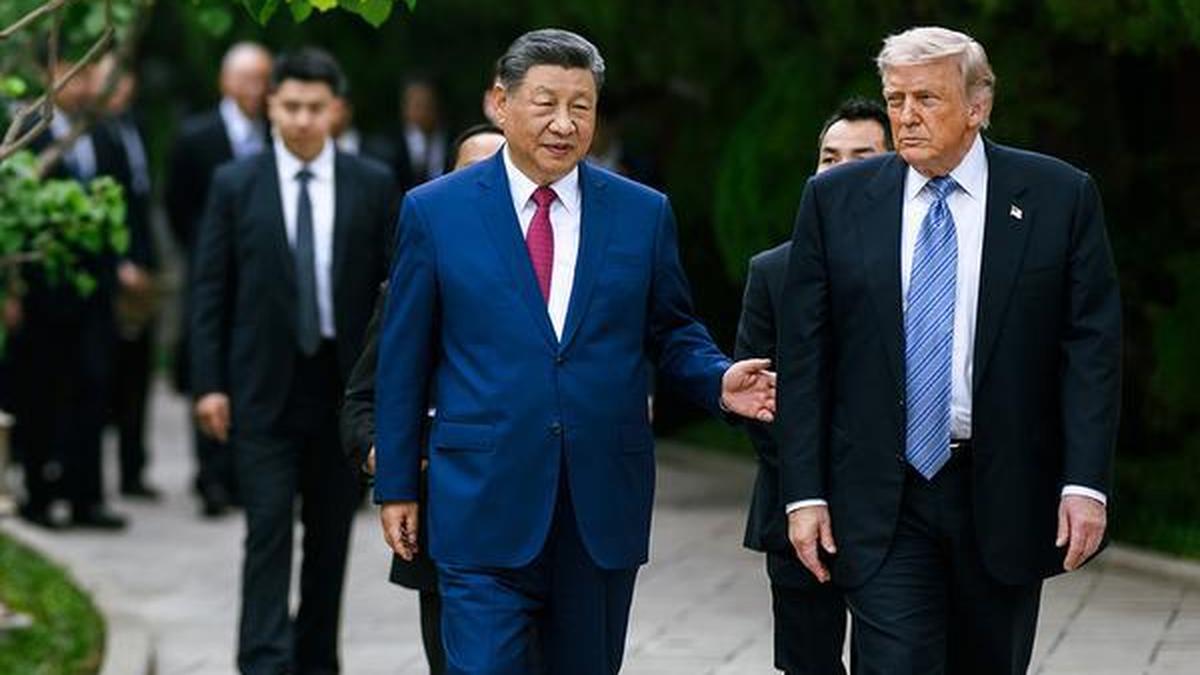
- Donald Trump visited China May 13‑15, meeting Xi Jinping, marking the first U.S.–China leader summit in nine years.
- U.S. and China both stressed the need to restore stability after a decade of trade war, though the trip was largely symbolic with no immediate policy agreements.
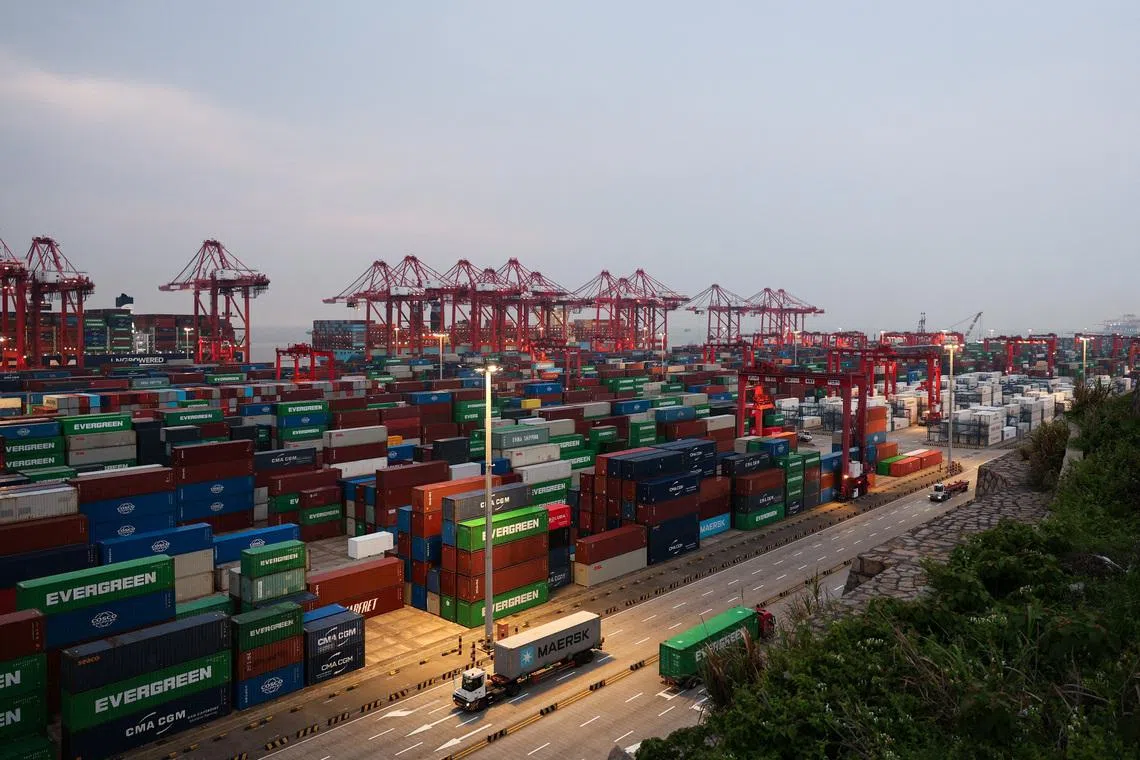
- U.S. escalated tariffs on China after Trump's 2025 return, prompting a one‑year trade war truce announced at the APEC summit in Busan, October 2025.
- Iran's closure of the Strait of Hormuz sparked an energy crisis that, together with Taiwan tensions, heightened the urgency for U.S.–China cooperation.
- Pete Hegseth accompanied Trump, highlighting a focus on defense, while the delegation also featured CEOs from tech, semiconductors, aerospace, agriculture, and State Secretary Marco Rubio, whom Beijing welcomed despite sanctions.
Why it matters: Stability between the U.S. and China reduces the risk of a wider energy‑price shock from Hormuz closures, protecting global markets, investors, and exporters from volatile price swings.
Ask SkimNews