Trump-Xi Summit Ends With Underwhelming Deals; Boeing Drops 4%
SkimNews Take
Despite public statements of improving relations, the inclusion of a modest commercial deal alongside high-stakes geopolitical issues suggests a limited scope for immediate, substantive breakthroughs.
Get the Geopolitics newsletter
Daily geopolitics — wars, elections, sanctions, the diplomatic moves that move markets. Free.
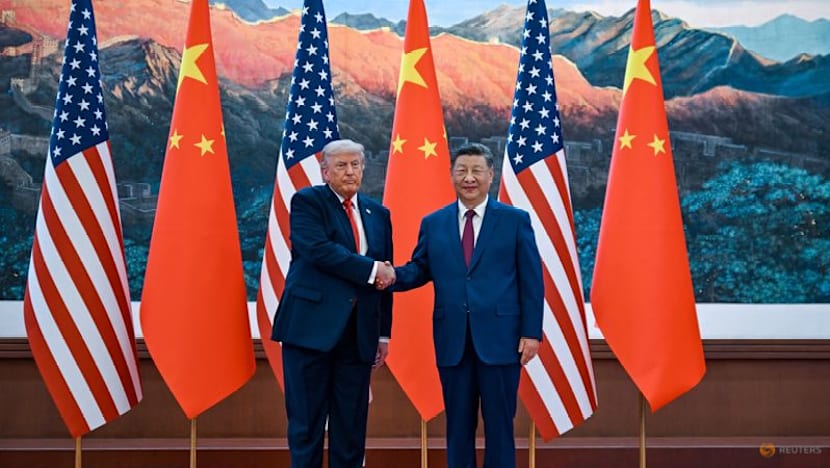
- Trump departed China on Friday after a summit where Xi made no specific commitment on Iran, with Brookings' Patricia Kim noting the leaders' 'shared desire' on the Strait of Hormuz did not translate into Chinese action against Tehran.
- China's foreign ministry issued a statement calling the US-Israel war with Iran a conflict 'which should never have happened' and 'has no reason to continue,' linking Beijing's position directly to global energy and economic stability.
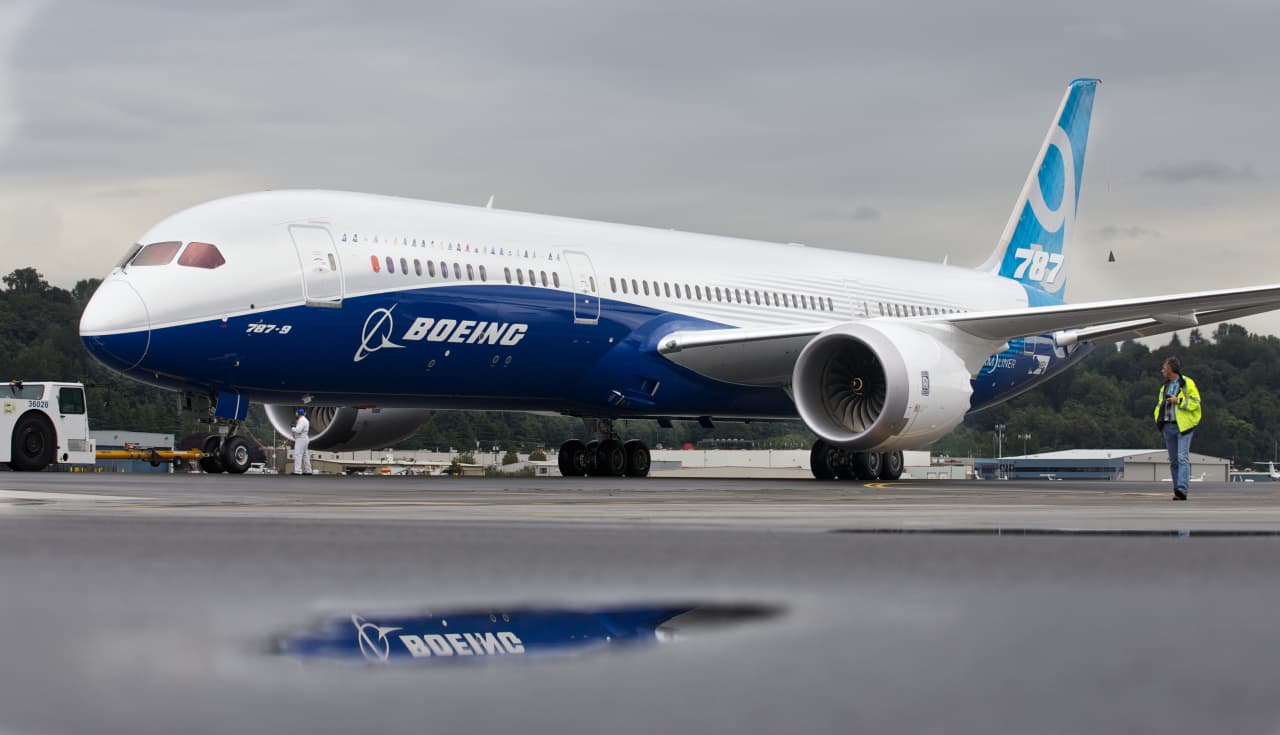
- Trump told Fox News China agreed to order 200 Boeing jets—its first US commercial jet purchase in nearly a decade—but the figure fell well short of the roughly 500 markets expected, sending Boeing shares down more than 4%.
- There was no breakthrough on Nvidia's H200 AI chips for China despite CEO Jensen Huang's dramatic last-minute addition to the trip, and Chinese stocks slid Friday as the summit produced few deals to excite investors.
- Xi Jinping warned Trump that mishandling Taiwan 'could lead to conflict'; Secretary of State Marco Rubio said US Taiwan policy is 'unchanged as of today' and confirmed Trump raised jailed Hong Kong media tycoon Jimmy Lai's case.
- The summit's main achievement was preserving the fragile October trade truce under which Trump suspended triple-digit tariffs and Xi eased rare-earth restrictions, but US Trade Representative Jamieson Greer said extension past this year's expiry is undecided.
Why it matters: The October trade truce stays alive but un-extended, leaving markets exposed to tariff snap-back risk later this year; Boeing's 4% drop quantifies how far short of expectations the headline deal fell. China's refusal to commit to any specific action on Iran, despite Trump's lobbying, confirms analysts' view that Beijing values Iran as a strategic counterweight to the US.
Ask SkimNews