S&P 500, Nasdaq Gain on Tech; Inflation Rises

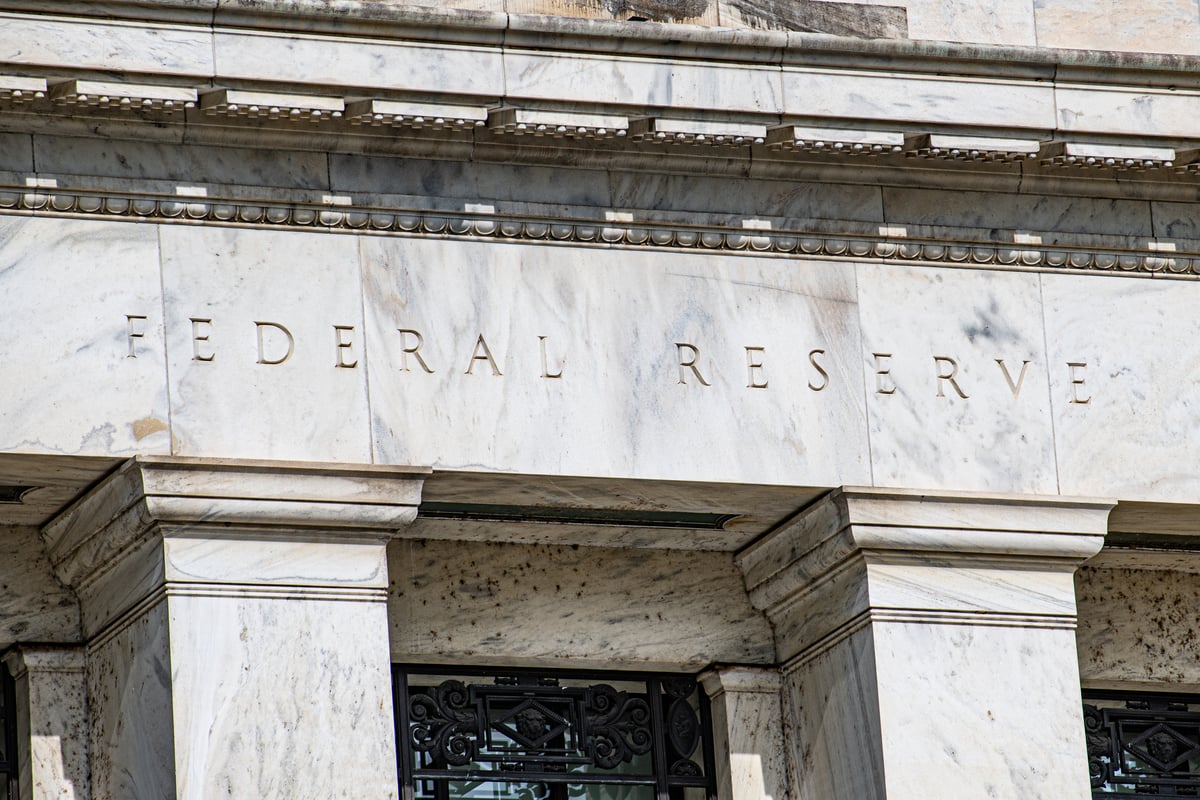
Why it matters: March's inflation surge, the largest in nearly four years, pushes the Fed to hold borrowing costs steady this year.
- U.S. consumer prices increased the most in nearly four years in March, driven by rising oil prices and persistent tariffs.
- Traders are now betting the U.S. Federal Reserve will hold borrowing costs steady this year, a change from earlier expectations of two interest-rate cuts, according to LSEG data.
- Bret Kenwell, U.S. investment analyst at eToro, notes that inflation remains sticky, suggesting policymakers will stay on pause unless the labor market or broader economy deteriorates.
- San Francisco Fed President Mary Daly told Reuters that the oil shock from the Iran war will extend the timeline for bringing inflation back to the Fed's 2% target.
- The S&P 500 rose 0.15% to 6,835.22, and the Nasdaq Composite added 0.54% to 22,946.11, boosted by a 0.8% rise in the information technology index.
- Nvidia and Broadcom rose 1.8% and 4.4% respectively, pushing the Philadelphia SE Semiconductor index to a record high of 8,926.08.
- Financial stocks were down 0.8%, with Goldman Sachs and Travelers dragging on the Dow, which fell 0.23% to 48,076.20.
- Wall Street's main indexes are set for weekly gains, with the S&P 500 and Dow on track for their steepest rises since November and June, respectively.
- Jeff Buchbinder, chief equity strategist for LPL Financial, states that the market is headline-driven, and investors can look past disruptions if the Middle East ceasefire holds.
- The University of Michigan's consumer sentiment showed a preliminary reading of 47.6 in April, below an estimated 52.
- U.S.-listed shares of Taiwan Semiconductor Manufacturing rose 2.7% after beating first-quarter revenue forecasts.
- CoreWeave gained 6.8% after announcing a multi-year agreement with Anthropic and pricing its convertible bond offering at a premium.
U.S. stocks saw a mixed day, with the S&P 500 and Nasdaq gaining on a tech surge led by chipmakers like Nvidia and Broadcom, despite March's sticky inflation data, which rose the most in nearly four years. Traders now expect the Federal Reserve to hold borrowing costs steady, a shift from earlier predictions of two rate cuts, as Mideast tensions and rising oil prices continue to influence economic outlook.