Young cancer survivors face faster aging and possible early dementia
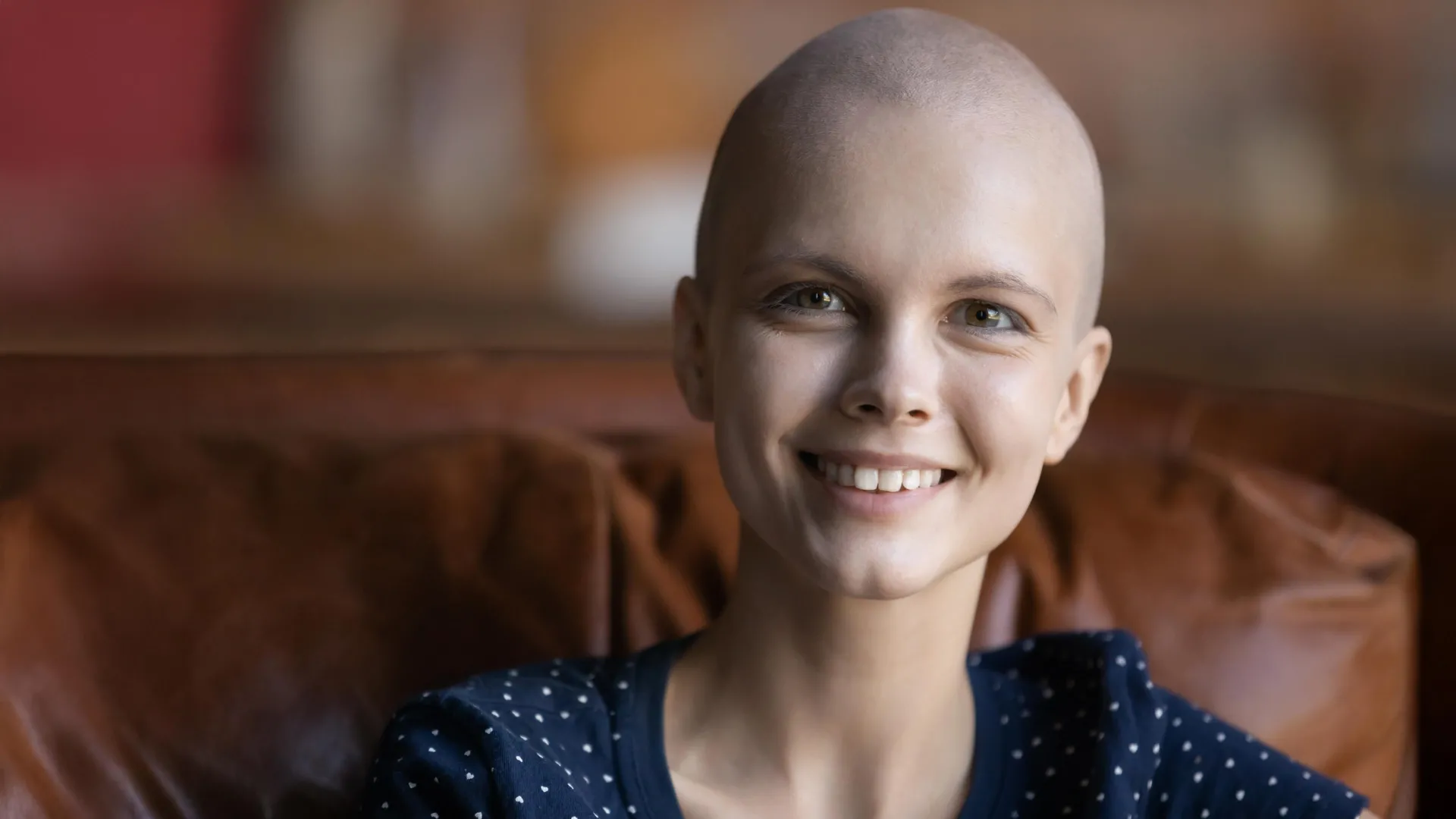
Why it matters: This research is crucial for young cancer survivors, highlighting a significant long-term health challenge while also offering actionable hope for mitigating these effects through lifestyle interventions.
- University of Rochester Medical Center research, published in Nature Communications, reveals that young cancer survivors exhibit signs of faster cellular and brain aging, impacting memory and focus.
- Chemotherapy is specifically linked to the most significant acceleration of biological aging among survivors, though other treatments also contribute.
- AnnaLynn Williams, PhD, of the University of Rochester Wilmot Cancer Institute, and Kevin Krull, PhD, of St. Jude Children's Research Hospital, led the study, which tracked approximately 1,400 long-term survivors, primarily of acute lymphoblastic leukemia (ALL) or Hodgkin lymphoma.
- Healthy habits such as regular exercise, improved diet, and quitting smoking are being investigated by Wilmot researchers as potential interventions to reverse or slow accelerated aging in survivors.
Young cancer survivors face an alarming reality: accelerated biological aging and potential early dementia, with chemotherapy identified as a major contributor to this process. However, promising research suggests that adopting healthy lifestyle changes could potentially slow or even reverse these age-related effects, offering a beacon of hope for improving long-term quality of life.


