Senate Blocks Cuba War Powers Resolution 51-47
Get the Geopolitics newsletter
Daily geopolitics — wars, elections, sanctions, the diplomatic moves that move markets. Free.
- U.S. Senate voted 51-47, almost entirely along party lines, on April 28, 2026, to table a Democratic war powers resolution barring President Trump from military action against Cuba without congressional approval
- Senator Rick Scott (R-Fla.) introduced the point of order that killed the resolution, arguing a war powers vote was inappropriate because Trump has not deployed troops to Cuba
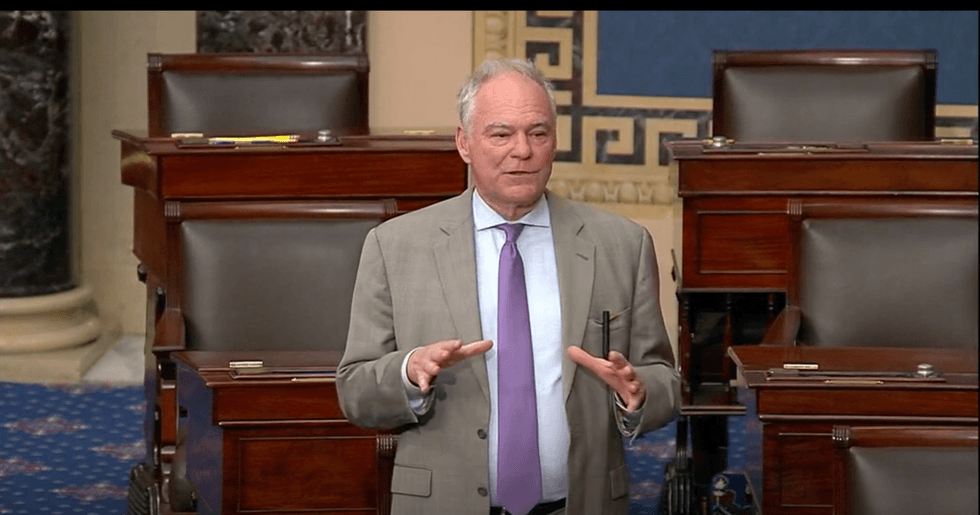
- Senator Tim Kaine (D-Va.), a lead sponsor, argued that U.S. efforts to stop fuel shipments to the Communist-ruled island already constitute military action, declaring: 'If anyone were doing to the United States what we are doing to Cuba, we would definitely regard it as an act of war'
- Under Trump, U.S. forces have struck boats off Venezuela, seized President Nicolás Maduro in Caracas, and waged war on Iran alongside Israel since February 28 — all without congressional authorization
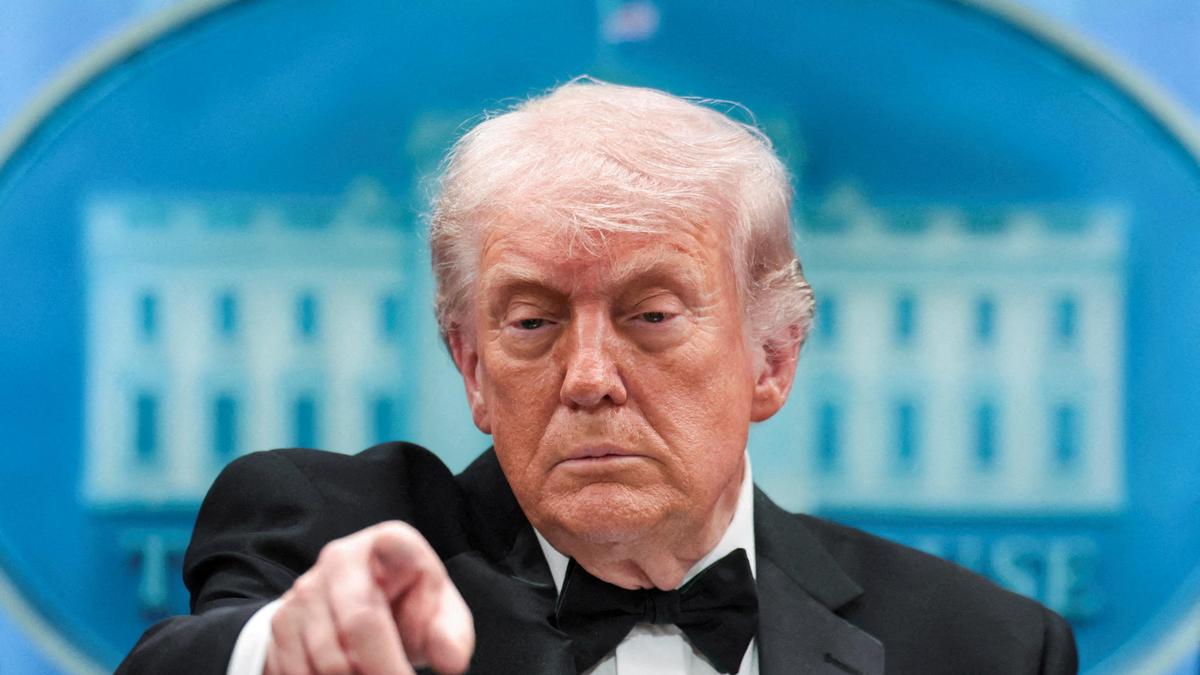
- Trump has publicly stated 'Cuba is next' but has not specified what action he plans to take, though he has repeatedly said he believes Cuba's government is on the verge of collapse
- Democrats have failed repeatedly in both the Senate and House to force Trump to obtain congressional authorization for ongoing military operations, with Republicans accusing them of weaponizing the War Powers Act to weaken the president
Why it matters: The 51-47 party-line breakdown confirms Democrats have no procedural leverage to slow a potential Cuba operation: Republicans hold slim majorities in both chambers and have voted down every similar resolution, citing the Constitution's exemption for short-term operations. With Trump already acting unilaterally against Venezuela, Iran, and Caracas, Congress's formal war-declaration power is being exercised in name only.
Ask SkimNews