Thailand to shift from LNG towards renewables in wake of Iran war
Get the Geopolitics newsletter
Daily geopolitics — wars, elections, sanctions, the diplomatic moves that move markets. Free.
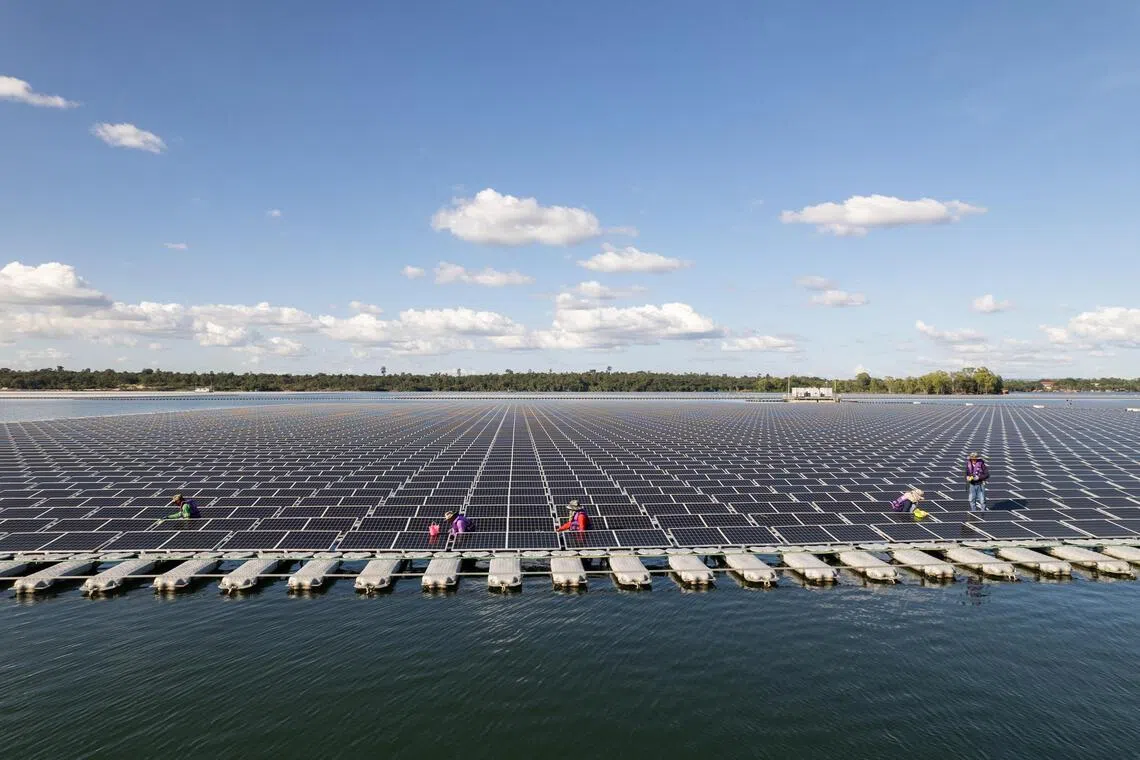
- Thailand’s updated 25-year national power plan, due in October, targets 60% of electricity from clean sources within 25 years, double the previous goal.
- Thailand currently generates more than 60% of its electricity from natural gas, most of which is imported, exposing the country to global price surges.
- Akanat Promphan said the Middle East conflict demonstrates the need to reduce LNG and other fuel imports and build a cleaner, more self-reliant power system.
- Thailand’s new plan will include nuclear energy for the first time, with small modular reactors under study as a potential complement to intermittent renewables.
- The Thai Parliament is considering a 200 billion baht (S$7.8 billion) renewable-energy proposal that includes rooftop solar for villages.
- Data centres, cloud computing and advanced manufacturing are expected to drive sharply higher electricity demand, with the government seeking enough new generation to limit household bill increases.
Why it matters: Thailand’s shift changes the country’s main power constraint: it must add clean capacity fast enough to serve electricity-hungry data centres and advanced manufacturing while cutting imported gas. The plan’s 200 billion baht renewables proposal and first-time inclusion of nuclear energy give the government concrete tools to pursue that goal, but no execution timeline is stated.
Ask SkimNews