US pays out $3m to victims of mysterious Havana Syndrome
Get the Health newsletter
Daily health & science — research, biotech, public health, the studies worth knowing. Free.
- The US government paid nearly $3m (£2.2m) in compensation to victims of "Havana Syndrome," the first such payments to American agency staff for the neurological condition.
- The payouts were authorized under the Havana Act, signed into law in 2021, with the Department of Defence pledging to continue prioritising care of affected personnel.
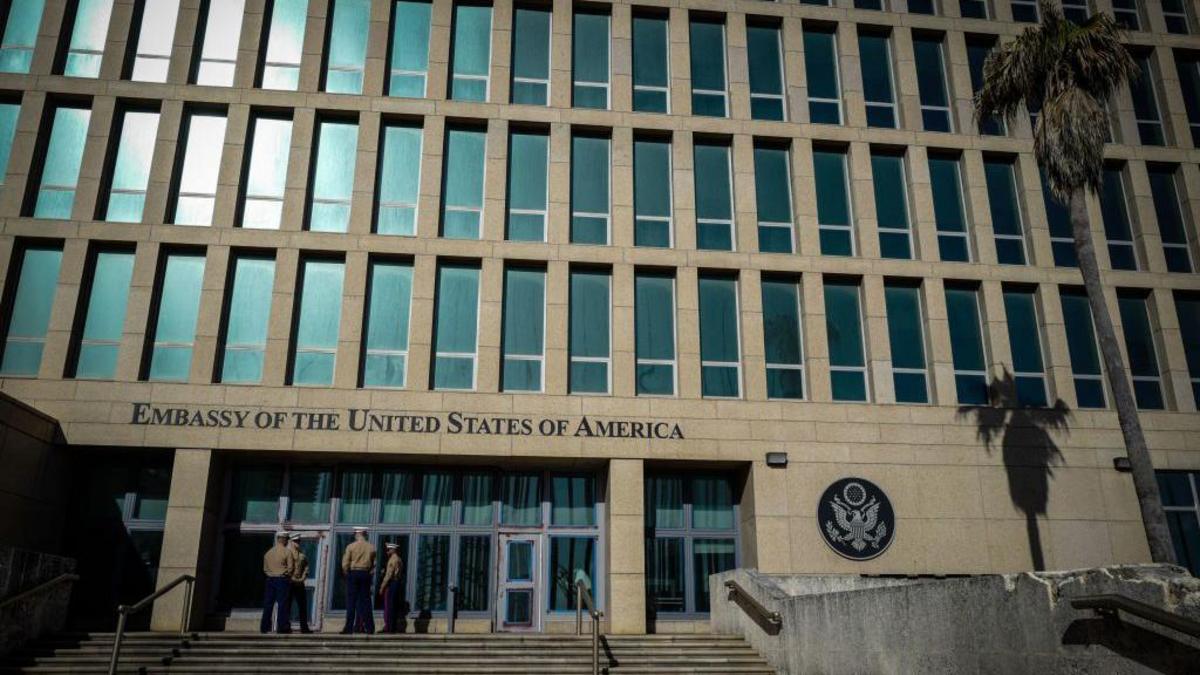
- Reports of the illness first emerged around 2016 from CIA officers in Cuba, with subsequent cases from American staff in China and other locations classified as "anomalous health incidents".
- Sufferers described sensory phenomena including low hums, clicks, squeals, and "grinding metal" alongside intense pressure on the skull, dizziness, and nausea.
- Former CIA analyst Erika Stith told CBS News in 2022: "My brain is broken. We got this as a result of serving our country. And we deserve to be taken care of."
- Most US intelligence agencies last year concluded it was "very unlikely" a foreign actor used a novel weapon, though a small component of the intelligence community did not entirely dismiss the theory.
- Canada also recorded similar symptoms among its Havana embassy staff and sharply reduced personnel there in 2019 — a detail the dominant compensation narrative tends to overlook.
- In 2017, the US withdrew more than half of its embassy staff from Havana after employees and families reported dizziness, nausea, and difficulty concentrating.
Why it matters: The $3m payout is Washington's first concrete financial acknowledgment that Havana Syndrome caused real, compensable harm to its personnel — arriving a year after most US intelligence agencies concluded a foreign weapon was "very unlikely" to blame. For the diplomats and spies whose suffering was officially debated for a decade, the money validates their experience even as the cause officially remains unconfirmed.


