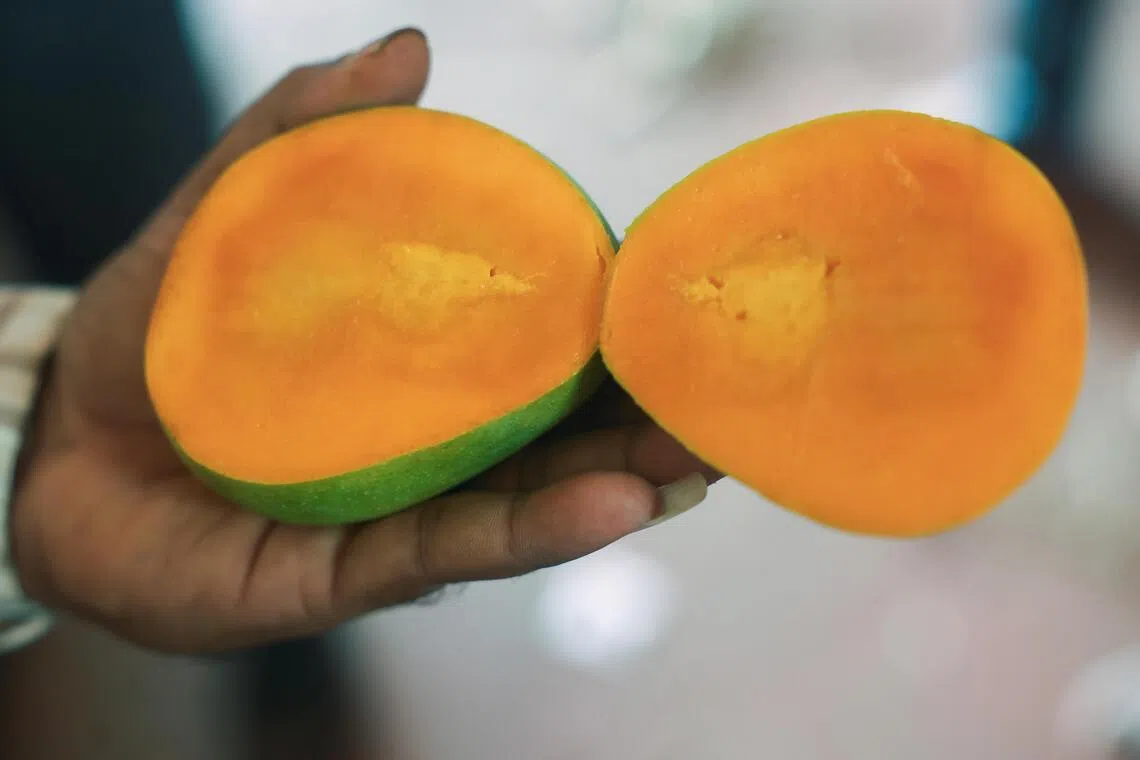
Pakistan’s mango exports shrink as Middle East war impacts linger
Get the Geopolitics newsletter
Daily geopolitics — wars, elections, sanctions, the diplomatic moves that move markets. Free.
- Pakistan's mango exports are expected to fall at least 30% in 2026, with total volume shrinking from roughly 110 million kg to 80 million kg, according to the All Pakistan Fruit and Vegetable Exporter Association.
- Shipping costs for a 25,000kg container of mangoes have surged from US$1,400 in 2025 to US$6,000-7,000 in 2026, driven by blockades around the Strait of Hormuz oil route.
- Approximately 80% of Pakistan's mango exports go to the Gulf, Iran, and Afghanistan — markets all affected by conflict, with the Pakistan-Afghanistan border closed and hundreds of trucks stuck at crossings for months.
- Pakistan's inflation rate leapt to 10% in the three months after the conflict began, up from 5.5% in the July-February period, depressing domestic demand for the fruit.
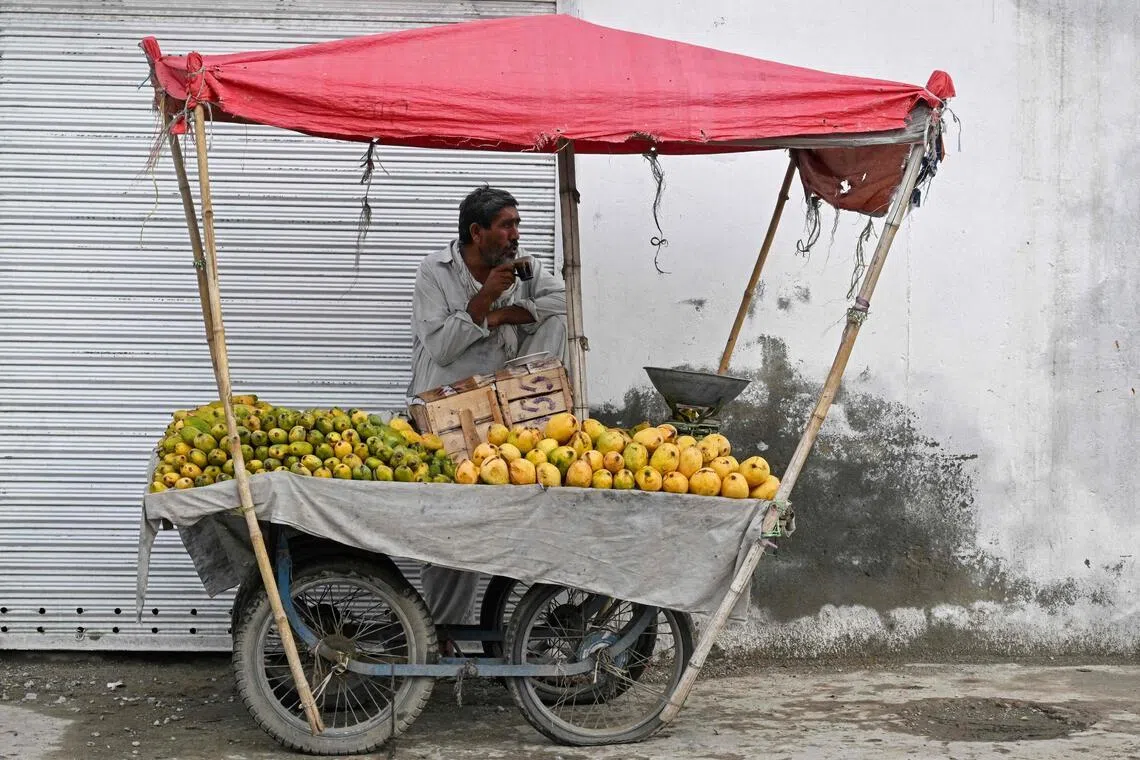
- Local mango prices in Karachi have fallen to around 200 Pakistani rupees per kg — half of 2025's price — as export closures flood domestic markets, yet customer Muhammad Ashad said people still cannot afford to buy them.
- An initial peace deal between warring sides announced by Pakistan came too late for the 2026 season, which began in June in Sindh province and runs roughly three months.
- Orchard manager Mohammad Shakeel in Tando Allahyar said some contractors have abandoned their leases entirely, with advance payments left on the table.
Why it matters: Pakistan, the world's fourth-largest mango exporter, typically earns around US$110 million annually from the crop. A 30% volume drop combined with a 4-5x shipping cost spike and 10% inflation squeezes both export-dependent farmers and domestic consumers — even as cheap fruit sits unsold in local markets, turning a surplus into a loss.
Ask SkimNews