Oxford Study Names Ho Chi Minh City World's Top Heat Risk — SkimNews
Get the Energy newsletter
Daily energy & climate — solar, EVs, oil, the policy fights and tech bets shaping the transition. Free.
- Oxford University study titled "A globally comparable framework for heat risk assessment in cities" (2026) ranked Ho Chi Minh City as the world's highest heat-risk city, with Bangkok and Samut Prakan ranking second and third.
- The study found risk stems not just from high temperatures but from hot and humid conditions that impair the body's ability to cool itself, combined with the urban heat island effect, rapid urban growth, population density, and large numbers of outdoor workers.
- All three cities are major economic zones in low-lying coastal areas, making them vulnerable to both heatwaves and flooding — a dual exposure the study highlights as especially dangerous.
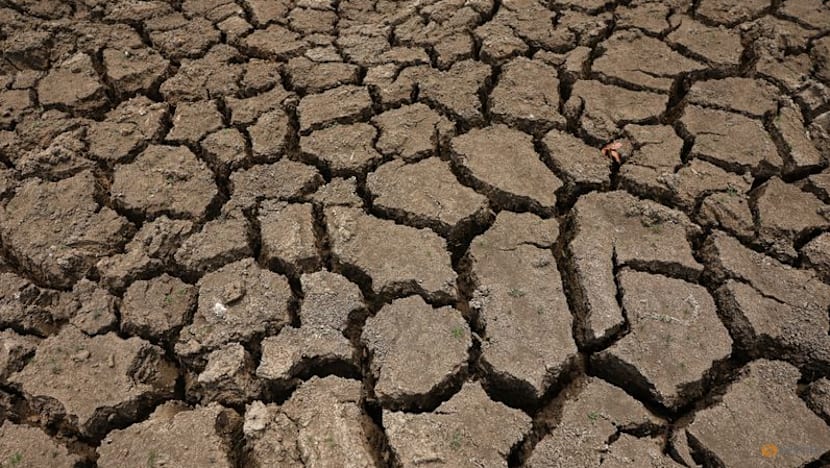
- Climate models have detected unusually high Pacific sea-surface temperatures, and scientists warn a super El Nino in 2026 could cause prolonged drought, reduced rainfall, and major wildfires across Thailand, Vietnam, Indonesia, and Papua New Guinea, with conditions potentially extending into 2027.
- A super El Nino would simultaneously increase heavy rainfall and flooding in South America, intensify typhoons across the Pacific, and heighten coral bleaching risk, with scientists estimating global temperatures could rise enough to make 2027 the hottest year on record.
- Thailand has begun water-management preparations for low-water conditions projected to continue into 2027, while experts urged urgent planning for drought preparedness and extreme weather across the region.
Why it matters: The three highest-risk cities are economic powerhouses in low-lying coastal zones, so a super El Nino could simultaneously disrupt agriculture, strain water supplies for tens of millions, and damage infrastructure across three of ASEAN's most important economies. Thailand's decision to activate water-management plans for conditions extending into 2027 signals that governments are already treating the threat as a near-certain scenario, not a tail risk.
Ask SkimNews