Texas saw a $50B future in clean energy. Then the political winds shifted.
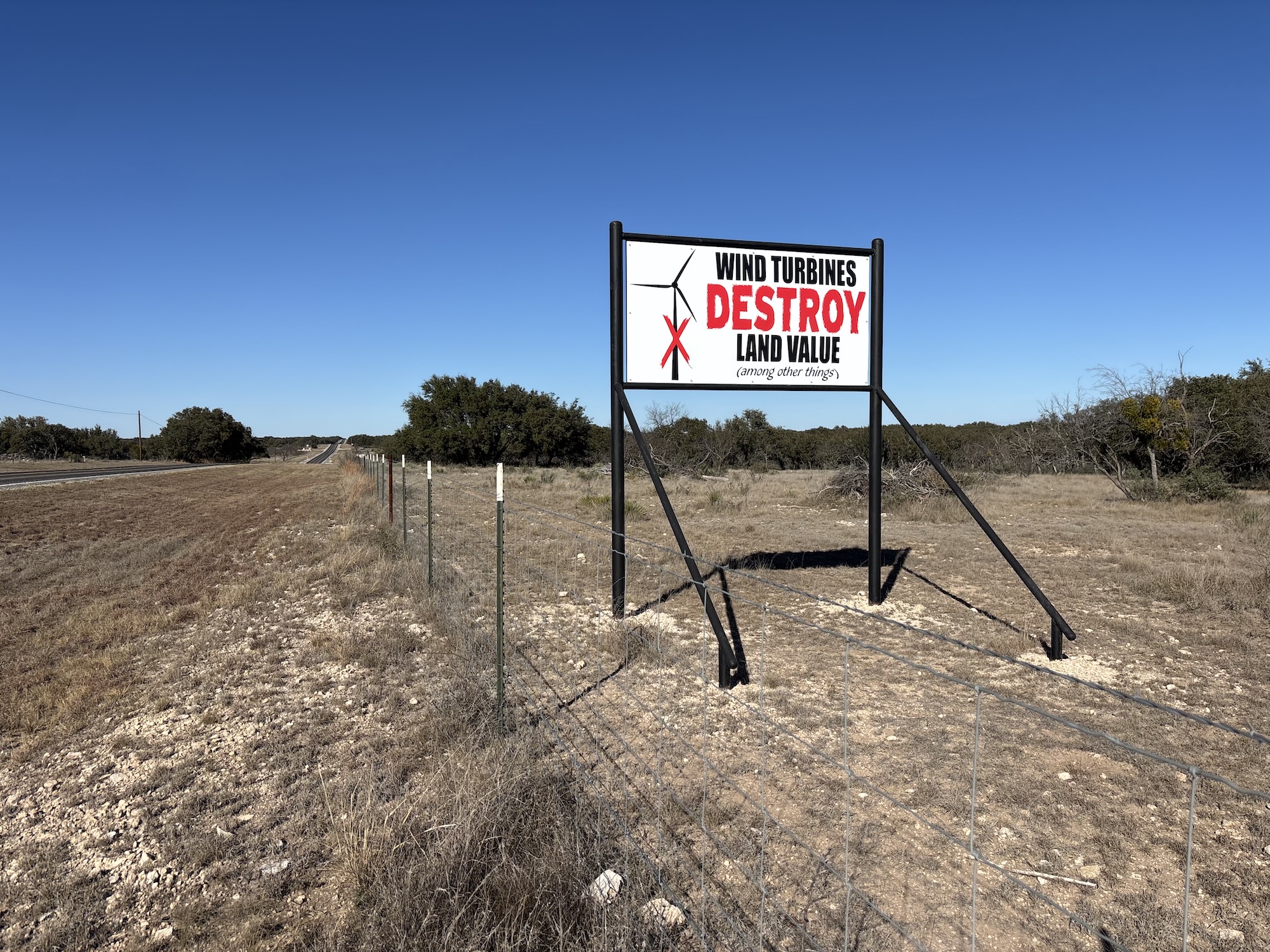
Why it matters: The political shift in Texas could jeopardize the economic stability of rural counties reliant on clean energy revenue.
- Duff Hallman, a 74-year-old rancher, leased his 9,200-acre Texas ranch for wind turbines in 2007 after oil production waned and federal wool subsidies vanished, securing a new revenue stream for his family's four-generation property.
- Schleicher County, where Hallman's ranch is located, has seen its tax base dwindle with declining oil production, making renewable energy projects a crucial economic lifeline.
- Texas had projected a $50 billion future in clean energy, with rural counties becoming unexpected linchpins for wind and solar development, drawn by open land and federal incentives, but this outlook is now threatened by changing political sentiment.
Texas, once a titan of oil, found itself at a crossroads as its oil wells dried up, leading many rural landowners like Duff Hallman to embrace wind energy as a vital new revenue stream. This shift, initially seen as a $50 billion clean energy future, now faces uncertainty as political winds in Texas begin to shift away from renewables. The story highlights the complex interplay between economic necessity, generational land stewardship, and evolving energy policies in a state known for its fossil fuel legacy.


