Progressive Democrats Push Diplomacy-First China Policy

Get the Geopolitics newsletter
Daily geopolitics — wars, elections, sanctions, the diplomatic moves that move markets. Free.
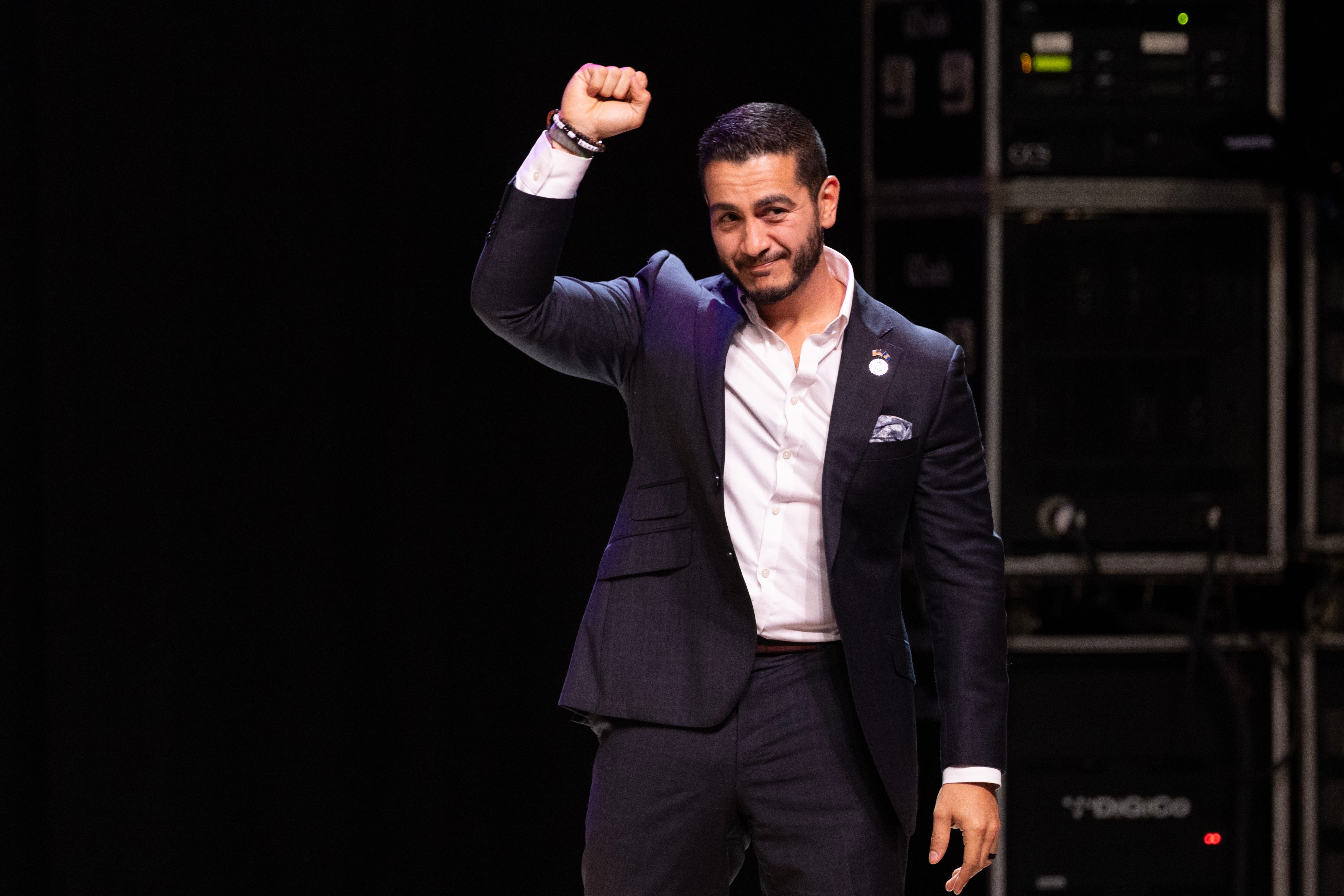
- Analilia Mejia, Abdul El-Sayed, and Peggy Flanagan are among progressive candidates sweeping Democratic primaries ahead of midterms, with the Israel-Palestine conflict emerging as the party's defining foreign policy litmus test against AIPAC-backed moderates.
- Alexandria Ocasio-Cortez at this year's Munich Security Conference argued the United States and China should "never get to that point" of military confrontation, articulating a diplomacy-first alternative to centrist Democrats' competition-based Taiwan policy.
- House Democrats in July voted to support cutting $3.3 billion in US aid to Israel — a shift the article notes would have been difficult to imagine ten years ago — as evidence of progressives' growing leverage on foreign policy.
- Donald Trump has escalated tariffs on China from 145 percent "Liberation Day" tariffs in 2025 to 12.5 percent on Chinese imports, with Congress imposing little meaningful constraint on his trade authority.
- Senator Ron Wyden introduced the Congressional Trade Powers Reform Act of 2026, which would curb Trump's tariff powers and restore Congress's role in shaping US-China economic relations.
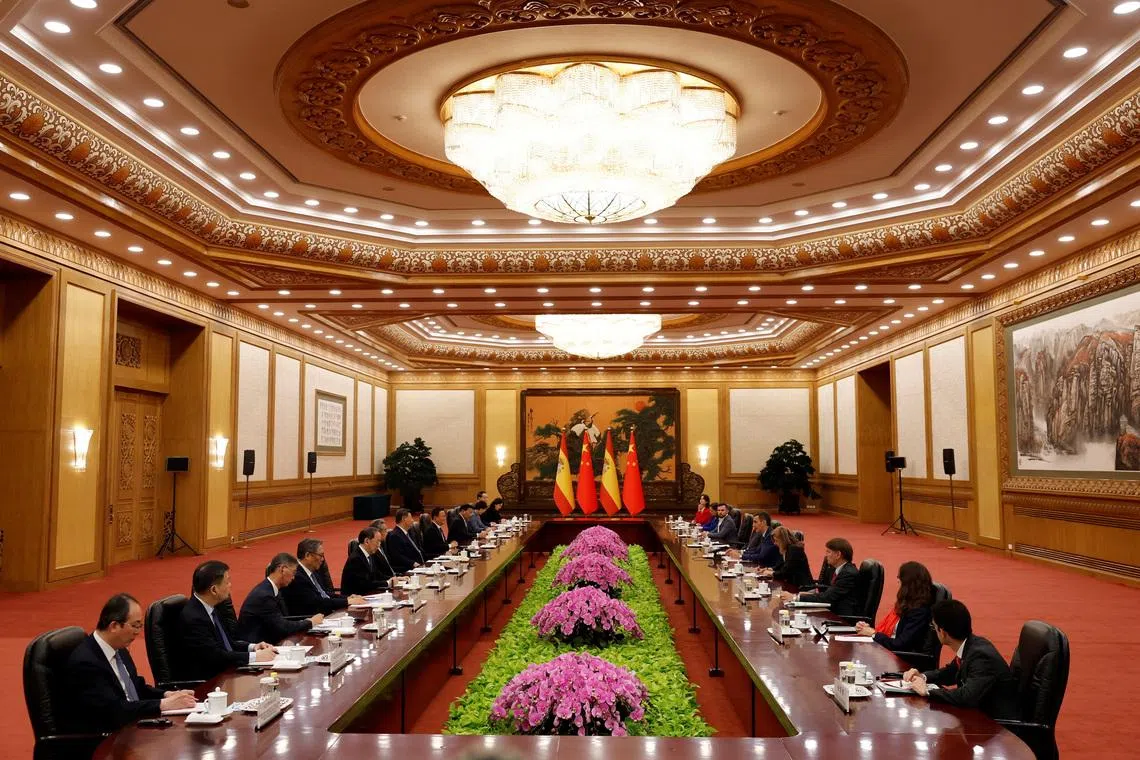
- Bernie Sanders and progressive Democrats reject the Thucydides Trap framework, favoring bilateral dialogue and multilateral institutions like the WTO and UN Human Rights Council over Cold War-style competition with Beijing.
Why it matters: Per the article, progressives see China as a less politically radioactive issue than Israel, giving the left room to reshape US economic statecraft through bills like Wyden's Congressional Trade Powers Reform Act of 2026 — which would directly curb Trump's tariff authority and put Congress in the driver's seat on trade policy toward Beijing.
Ask SkimNews