Israel Strikes Kill 203 in Lebanon Amid Ceasefire Crisis
Get the Geopolitics newsletter
Daily geopolitics — wars, elections, sanctions, the diplomatic moves that move markets. Free.
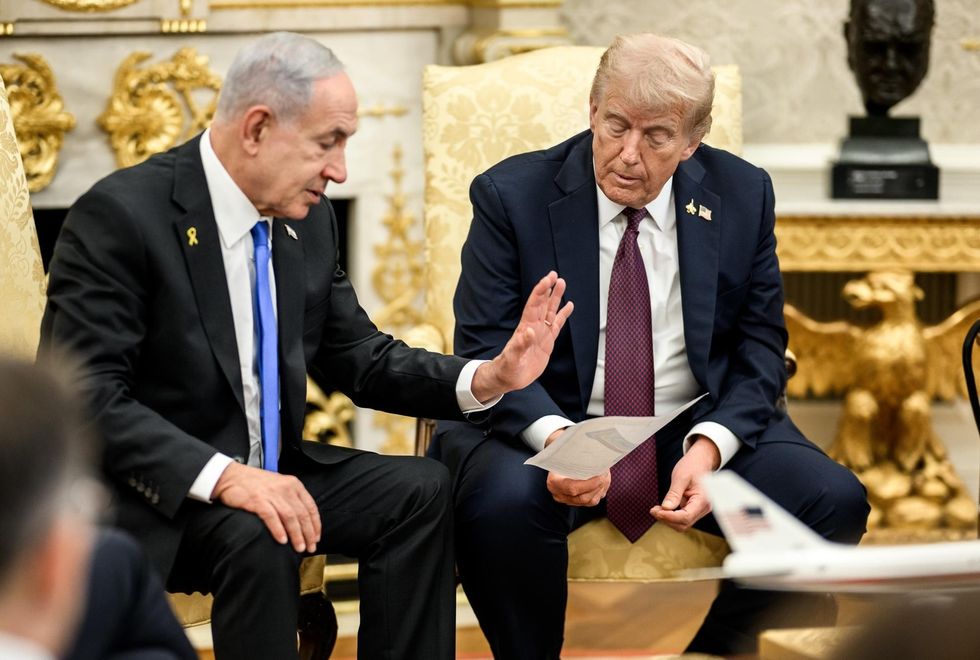
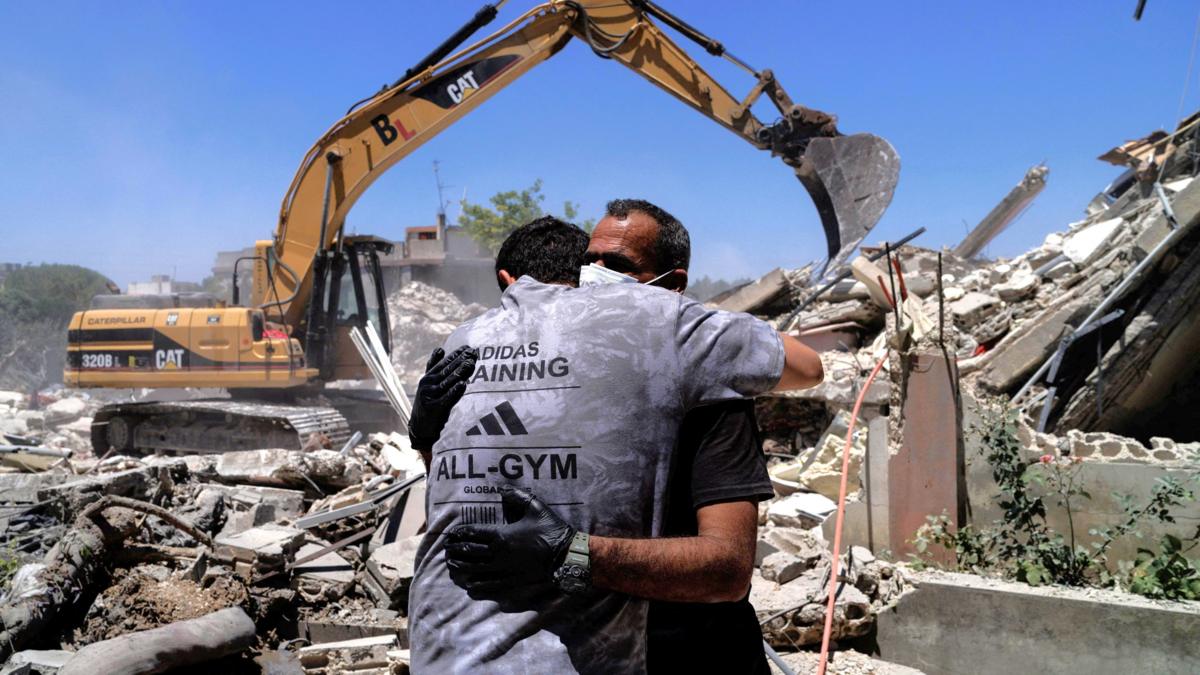
- Israel conducted massive strikes in Lebanon on April 8, 2026, killing at least 203 and wounding 1,000, according to the Lebanese Health Ministry, with Prime Minister Netanyahu affirming continued operations against Hezbollah.
- U.S. Vice President Vance stated the U.S.-Iran ceasefire does not include Lebanon, placing the onus on Iran to preserve negotiations, while affirming support for Israel’s military actions.
- Iran denounced the Israeli raids as a violation of the truce framework, with Parliament Speaker Ghalibaf citing attacks in Lebanon, a drone incursion into Iranian airspace, and U.S. opposition to uranium enrichment as breaches.
- European Union diplomat Kaja Kallas called for the U.S.-Iran ceasefire to extend to Lebanon, warning Israeli actions are straining the fragile truce, echoed by France and the U.K. condemning the strikes.
- Hezbollah launched rockets into Israel in retaliation, declaring the attacks a violation of the truce, while the Lebanese government declared April 9 a national day of mourning.
- Iranian state media reported new missile and drone attacks on U.S.-allied Gulf states—Kuwait, U.A.E., Saudi Arabia, and Bahrain—since the ceasefire began, citing retaliation for strikes on Iranian oil facilities.
Why it matters: The exclusion of Lebanon from the U.S.-Iran ceasefire has turned a bilateral pause into a diplomatic fault line: Israel’s sustained campaign risks collapsing broader de-escalation, while Iran leverages attacks on allies to test U.S. resolve. With 203 dead and retaliatory strikes already underway, the truce’s geographic limits are now its greatest vulnerability.
Ask SkimNews