Iran Missiles Kill Indian Sailor in Hormuz Tanker Attack — SkimNews

Get the Geopolitics newsletter
Daily geopolitics — wars, elections, sanctions, the diplomatic moves that move markets. Free.
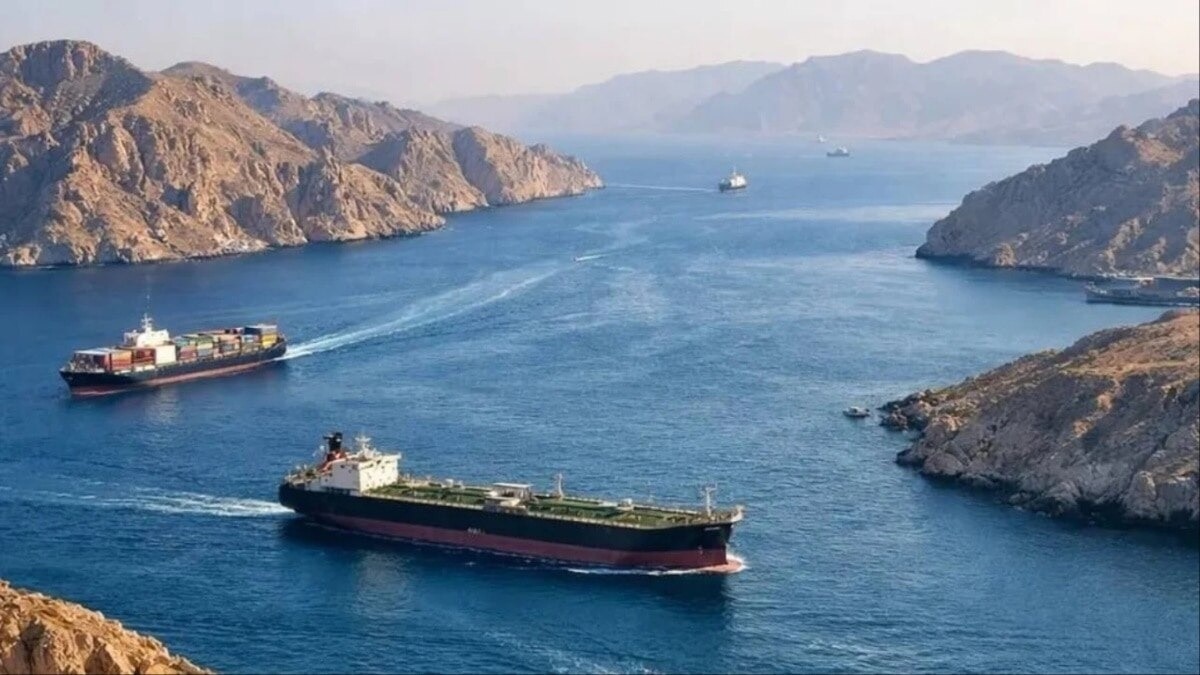
- UAE Ministry of Defence reported that Iranian cruise missiles struck the Mombasa and Al Bahiyah tankers in the Strait of Hormuz's southern lane on July 14, killing one Indian crew member and wounding eight others while the ships were in Omani territorial waters.
- Of the eight wounded, four were seriously injured; six were Indian nationals and two were Ukrainian, with fires breaking out on both tankers before being brought under control.
- The UAE condemned the strike as a "blatant attack" and said it retained "its full right to respond to this escalation," declaring it fully prepared to take all necessary measures.
- UKMTO separately reported a tanker hit by an unknown projectile 40 nautical miles northeast of Oman's Qalhat, striking the starboard-side engine room; Reuters could not confirm it was the same incident.
- President Trump on Monday reinstated the US blockade of Iranian shipping in the Gulf and pledged to keep Hormuz open "for a fee," warning that US forces would hit Iran again "very hard" after the two sides exchanged missile and drone attacks.
- Iran's top joint military command rejected US authority over the waterway, saying the US "would not be allowed to intervene"; Iran has attacked US bases in multiple countries since the war began February 28.
- Before the conflict, roughly a fifth of global oil and gas traffic passed through Hormuz daily — more than 15 million barrels of fuel worth at least $1.2 billion — and an interim US-Iranian agreement to reopen the strait is now in question.
Why it matters: With the UAE threatening to retaliate and the US reinstating its blockade, the Strait of Hormuz — which ferried over 15 million barrels of oil daily worth at least $1.2 billion before the February 28 war — faces renewed disruption risk. The death of an Indian sailor and the wounding of Ukrainian and Indian crew on Emirati tankers shows the US-Iran war is now killing foreign civilian mariners far beyond the two principal belligerents.
Ask SkimNews